The West Bengal Assembly has passed a landmark amendment allowing the state government to transfer teaching and non-teaching staff across state-run universities. The move aims to bolster newer institutions but has sparked intense debate over university autonomy.
- The West Bengal Assembly passed the 'West Bengal Universities and Colleges (Administration and Regulation) (Amendment) Bill, 2026'.
- The Chancellor can now transfer employees between different state universities for 'administrative reasons'.
- A second bill was passed to unify the provident fund laws for 21 state universities under a common 1983 Act.
- Teaching staff can choose to retain their lien at their original university or be fully absorbed into the new one.
In a significant shift in the state's educational governance, the West Bengal Assembly has passed a controversial amendment bill that empowers the state government to facilitate the transfer of teaching and non-teaching staff from one state-run university to another. Introduced by Higher Education Minister Jagannath Chattopadhyay during a special one-day session, the legislation introduces Section 14A, giving the Chancellor—in consultation with the state government—the authority to move personnel for administrative reasons.
The new law specifies that transferred employees will maintain the service conditions outlined in their transfer orders. A critical feature of the bill is the flexibility it offers staff: employees may either retain their lien (the right to return) to their original institution or opt for permanent absorption in the university to which they are transferred. Furthermore, the government has promised transfer grants and transportation costs for those moved in the 'public interest'.
Why This Matters
BozokMedia analysis shows that this move represents a strategic pivot toward centralization of academic human resources. While the government frames this as a developmental necessity, it fundamentally alters the traditional 'appointment-for-life' nature of university positions. By treating university staff as a mobile state cadre rather than institution-specific employees, the government gains significant leverage over academic administration.
The legislation has met with fierce resistance from academic bodies. The Jadavpur University Teachers Association (JUTA) has slammed the move as an attack on institutional self-reliance and job security, arguing that such centralization contradicts the basic tenets of the University Grants Commission (UGC). Similarly, the Calcutta University Teachers Association (CUTA) has called for deeper stakeholder consultation.
"The centralization of university staffing risks transforming academic institutions into administrative departments, potentially stifling the independent research spirit that defines higher education."
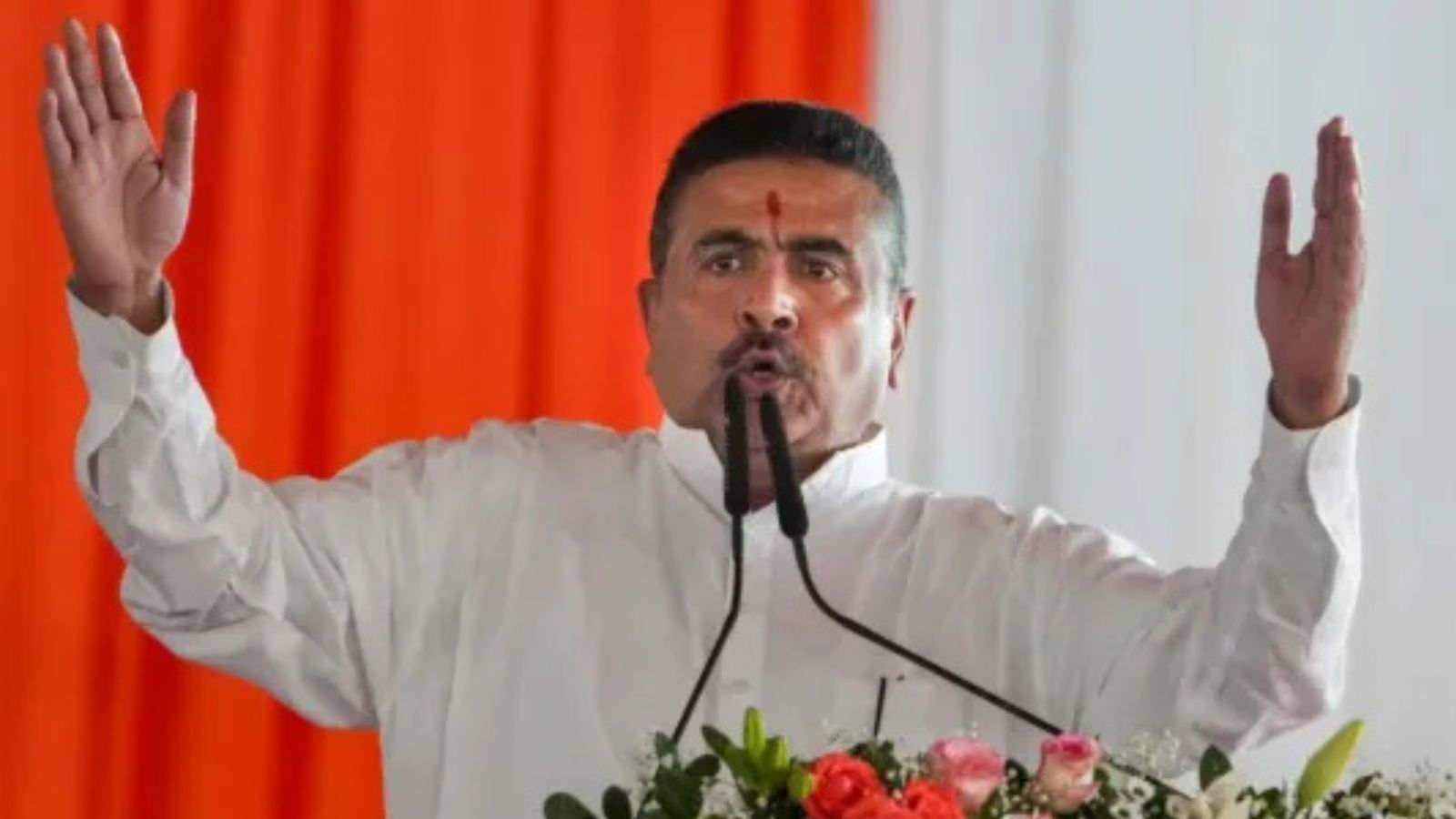
Defending the bill, Chief Minister Suvendu Adhikari emphasized the 'ground reality' of educational disparity. He argued that newer universities in districts like Jhargram and Cooch Behar desperately need the expertise of seasoned professors to build infrastructure and establish centers of excellence. He asserted that this balance of autonomy and accountability would not interfere with ongoing PhD supervision or research projects.
Parallel to this, the Assembly passed the 'West Bengal University Laws (Amendment) Bill, 2026', which brings the provident funds of 21 state universities—including Presidency University and Rabindra Bharati University—under the common legal framework of the 1983 Act. This streamlines financial administration across a vast array of institutions, from the Hindi University to Biswa Bangla Biswabidyalay.
| Feature | Previous Regulation | New Amendment (2026) |
|---|---|---|
| Transfer Scope | Between colleges under the SAME university | Between DIFFERENT state universities |
| Authority | University-specific boards | Chancellor + State Government |
| Provident Fund | University-specific laws | Unified under 1983 Act (for 21 universities) |
Frequently Asked Questions
Q1: Will this law affect ongoing PhD research?
According to Chief Minister Suvendu Adhikari, the provision for transfers will not affect PhD supervision or ongoing academic projects.
Q2: Can a teacher refuse a transfer?
The bill empowers the Chancellor to transfer staff for administrative reasons, though the specific mechanisms for appeal or refusal were not detailed in the primary announcement.


