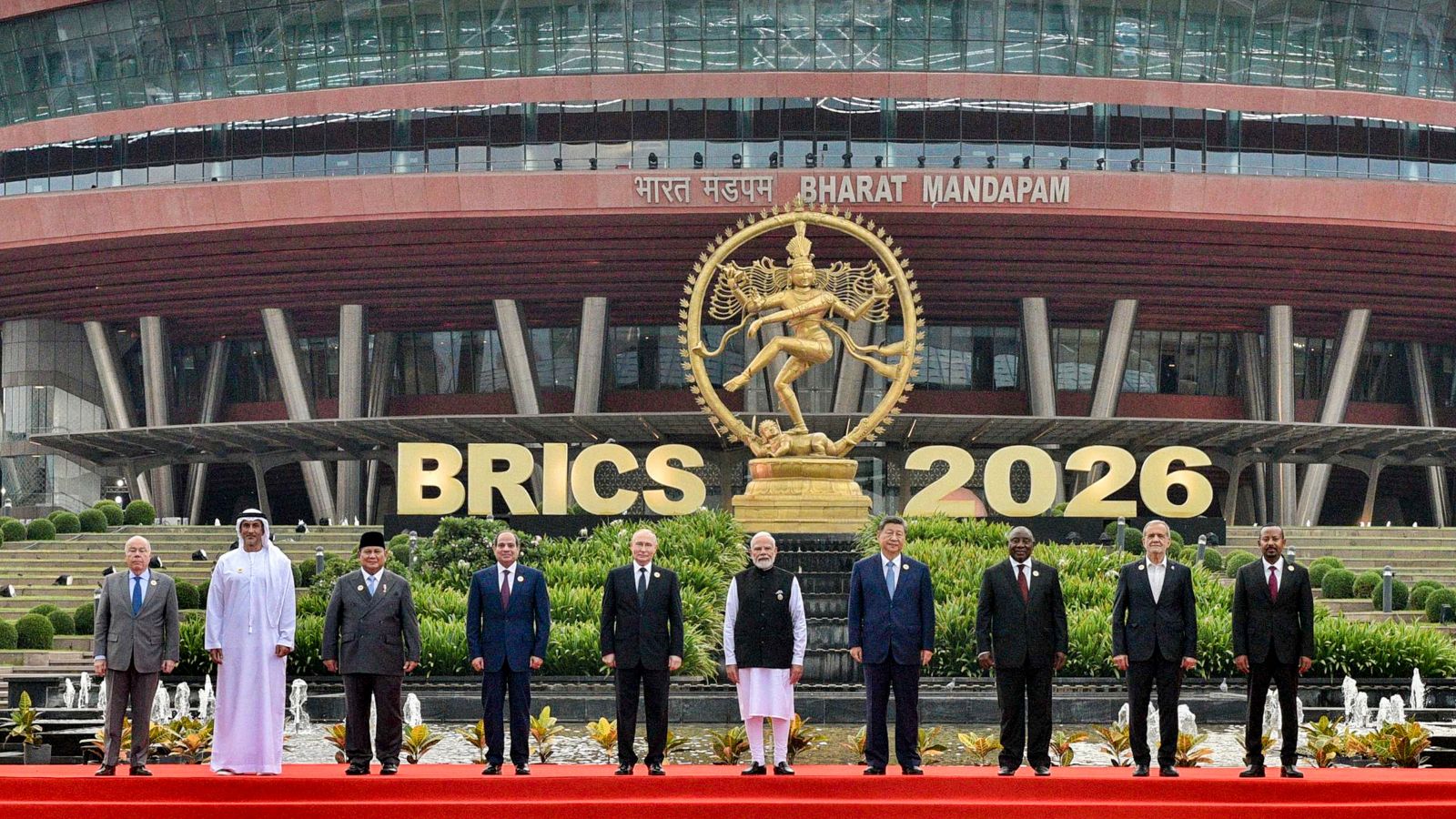
The 18th BRICS Summit has concluded with a landmark New Delhi Declaration focusing on early childhood care, vocational training, and the integration of indigenous knowledge.
- Focus on Early Childhood Care and Education (ECCE) and Foundational Literacy (FLN).
- Strengthening the BRICS Technical and Vocational Education and Training (TVET) Alliance.
- Integration of traditional and indigenous knowledge systems into the curriculum.
- Alignment of skill development with evolving global market demands.
New Delhi: In a significant move towards global educational integration, the 18th BRICS Summit has adopted the New Delhi Declaration. This comprehensive document outlines a strategic roadmap for cooperation in education, emphasizing the need for foundational learning and specialized vocational training across member nations.
The declaration highlights a collective commitment to Early Childhood Care and Education (ECCE) and Foundational Literacy and Numeracy (FLN). By prioritizing these areas, BRICS nations aim to build a robust educational foundation for their growing populations, ensuring long-term socio-economic stability.
Empowering the Workforce through TVET
A cornerstone of the new agenda is the BRICS Technical and Vocational Education and Training (TVET) Cooperation Alliance (BRICS-TCA). The declaration recognizes the alliance as a vital multilateral platform for promoting information exchange, resource sharing, and the joint development of vocational skills.
Aligning technical education with real-world industry demands is the only way to solve the global skills gap.
BozokMedia analysis shows that the emphasis on linking TVET institutions directly with industries is a strategic response to the rapid evolution of the global job market. This integration aims to ensure that graduates possess the exact competencies required by modern employers.
Embracing Indigenous Knowledge
In a major win for cultural preservation and diverse learning, the declaration welcomes India's initiative to strengthen academic collaboration on traditional and indigenous knowledge systems. The BRICS Network University has been encouraged to incorporate these systems as an International Thematic Group, bridging the gap between modern science and ancestral wisdom.
Why This Matters
This shift represents a move away from standardized, Western-centric educational models toward a more inclusive, multi-polar approach. By fostering digital literacy and the ethical use of Artificial Intelligence (AI), BRICS is positioning itself at the forefront of the digital educational revolution.
Frequently Asked Questions
1. What is the role of BRICS-TCA?
The BRICS-TCA acts as a platform for cooperation in technical and vocational training, facilitating resource sharing and skill standardization among member states.
2. How will AI be used in BRICS education?
The declaration calls for the safe, ethical, and human-centered application of AI in educational frameworks to enhance learning outcomes.