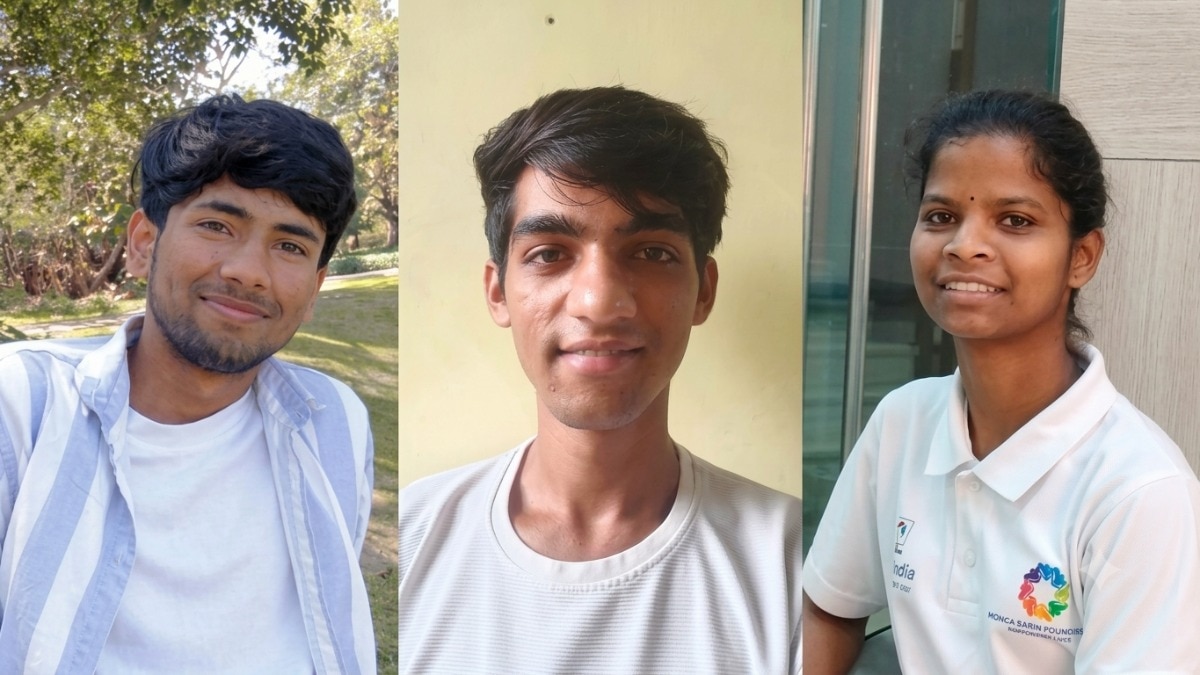
Three young Indians bypassed traditional college routes, embraced short‑term vocational training, and began earning stipends of ₹14,000‑₹18,000 while carving out careers in healthcare, retail and hospitality. Their stories illustrate how skill‑based education can fast‑track financial independence and long‑term professional goals.
- Students opted for post‑12th vocational courses and earned ₹14,000‑₹18,000 per month.
- Internships provided real‑world exposure, turning classroom learning into paid work.
- Skill pathways bridged the gap between education and sustainable careers.
Anurag Rajni’s Journey into Healthcare
After missing her Class 10 board exams due to hospitalization, Anurag Rajni Kujur completed the exam through open schooling and moved to Delhi to pursue a BSc in Nursing. She enrolled in a General Duty Assistant programme, where a health‑camp experience solidified her ambition.
Her internship at Max Smart Super Speciality Hospital’s Endoscopy Department earned her a first stipend of ₹14,000. She celebrated by taking her mother, a house helper, out for dinner and gifting her a saree. Anurag now aims to become a qualified nurse and support her family.
Anshu Sagar’s Retail Path Toward Law
Facing limited family resources, Anshu chose a Retail Management course and secured an internship at Lifestyle, receiving a monthly stipend of ₹18,000. The role honed his customer‑service, sales, and communication skills while he continued his bachelor’s degree.
His ultimate goal is an LLB and a career as a lawyer. Anshu believes the patience and active‑listening skills he gained will be invaluable when handling future clients.
Raj Kumar’s Hospitality Breakthrough
After a year of uncertainty post‑12th, Raj enrolled in a Certificate in Hospitality Management. The curriculum covered guest service, coffee preparation, and communication. He now works as a barista at Bakingo, earning ₹14,000 per month.
A memorable interaction with a distressed regular customer taught him that hospitality is about creating warm experiences, not just serving coffee. Raj aspires to grow within the hospitality sector and inspire peers to consider vocational routes.
Historical Background
India’s vocational education system dates back to the 1960s with the National Skill Development Policy, which established technical institutes to meet industrial demand. Between 2020 and 2023, enrollment in skill‑based programs grew by 12 % annually, reflecting a shift toward employability‑focused learning.
Why This Matters
BozokMedia analysis shows that, as college enrollment faces financial and capacity constraints, short‑term skill courses are emerging as a pragmatic bridge to immediate earnings and long‑term professional growth, especially in sectors like healthcare, retail, and hospitality.
"Skill‑based education bridges the gap between unemployment and employability," says Dr. Meera Sharma, education analyst.
Frequently Asked Questions
Q1: Are vocational courses only available in major cities?
A: No, many national and state institutions offer them both online and offline, making them accessible nationwide.
Q2: Can a stipend of ₹14,000‑₹18,000 sustain a student?
A: While modest, these stipends provide a vital financial cushion and enable students to contribute to family expenses while pursuing further education.

