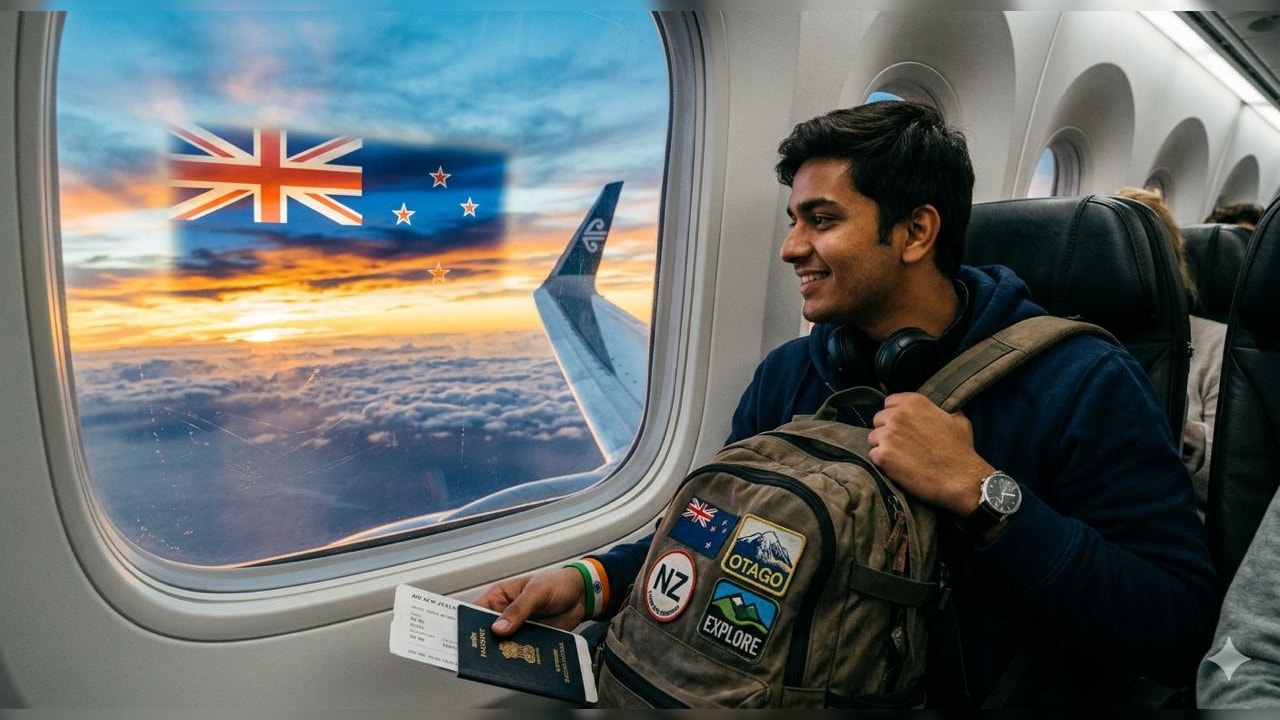
Navigating the high costs of international education requires more than just savings. Strategic scholarship planning and understanding visa work rights are essential for success.
- Scholarship planning must coincide with university applications, not follow them.
- Understanding student visa work conditions is critical for budget planning.
- A balanced approach of loans, savings, and part-time earnings ensures sustainability.
For middle-class families, the dream of international education often hits the hard reality of astronomical tuition fees and living costs. However, breaking this barrier is entirely possible through meticulous financial engineering and proactive planning.
One of the most common pitfalls is the timing of financial aid searches. Scholarships should not be treated as an afterthought. Instead, scholarship hunting must be integrated into the university application process itself. Waiting until after admission can mean missing out on the most lucrative funding opportunities.
Why This Matters
BozokMedia analysis shows that students who integrate financial planning into their initial academic roadmap experience significantly lower levels of psychological stress and are less likely to face mid-degree financial crises.
Financial preparedness is just as vital as academic excellence when pursuing global education.
When considering Education Loans, students must look beyond the principal amount. Understanding interest rates, repayment moratoriums, and the impact of currency fluctuations is crucial for long-term stability.
Furthermore, students must be acutely aware of their Student Visa regulations. Most countries permit a specific number of working hours per week. Factoring these permitted earnings into a comprehensive living-cost plan can bridge the gap between savings and actual expenditures.
Historical Background
Historically, international education was a privilege reserved for the elite. However, the rise of diverse international scholarship programs and more accessible credit facilities has begun to democratize global learning, allowing talented students from middle-income backgrounds to compete on the world stage.
Frequently Asked Questions
1. When is the best time to apply for scholarships?
Ideally, at the same time you are preparing your university applications.
2. Can I work while studying abroad?
Yes, most student visas allow limited part-time work, but you must strictly adhere to local legal limits.