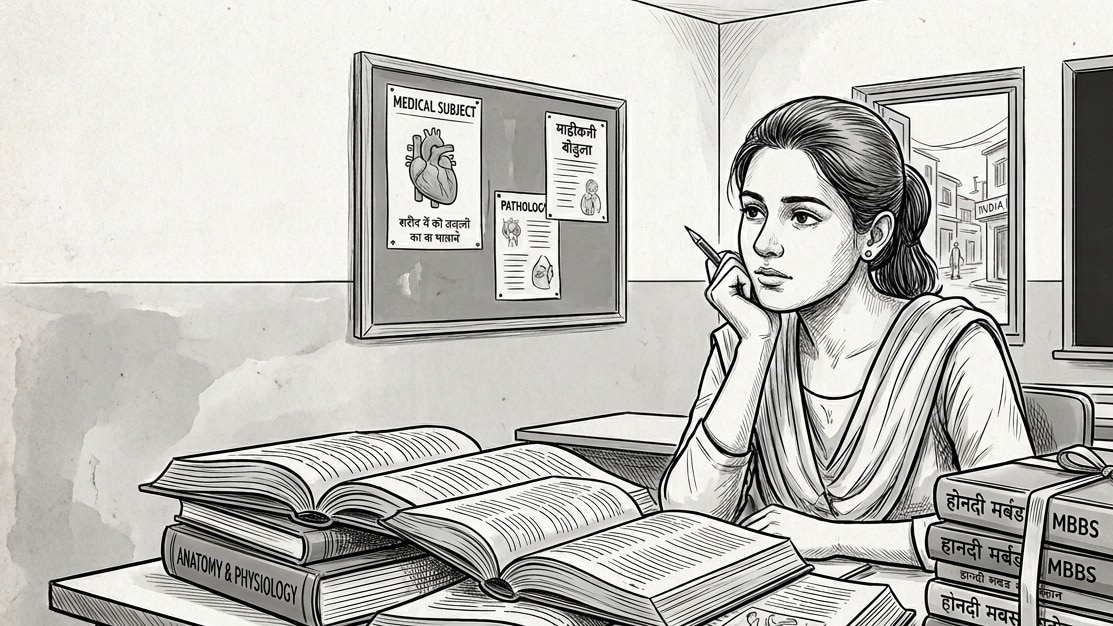
As India expands its higher education footprint, the lack of safe, regulated student accommodation has become a deadly issue. Recent tragedies in Delhi highlight the urgent need for stricter safety audits and accountability in the PG sector.
- India has approximately 44.6 million higher education students, but a massive shortage in safe housing exists.
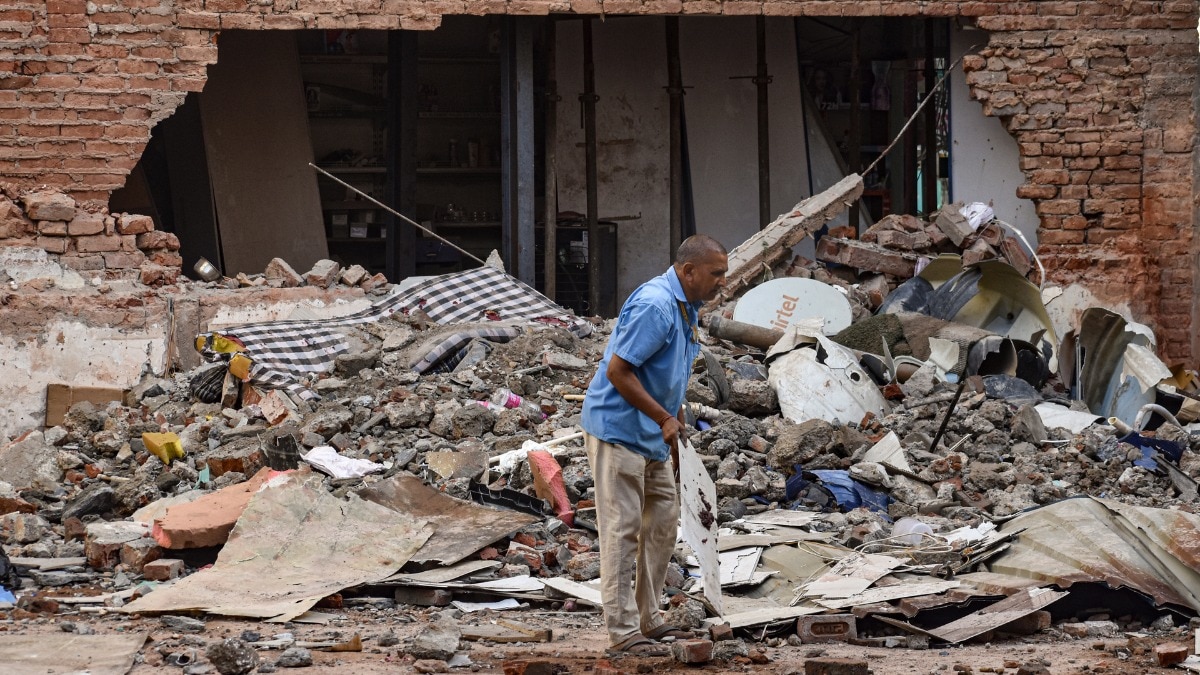
- The tragic building collapse in Delhi's Satya Niketan, killing seven, has exposed severe safety lapses.
- Students often prioritize rent and location over structural and fire safety.
- Experts propose a digital 'Safety Passport' for transparent compliance tracking.
India is witnessing a massive surge in higher education enrollment, but a critical question remains unanswered: Who is responsible for the safety of students living outside campus? The recent collapse of a multi-storied building in New Delhi’s Satya Niketan, which claimed seven lives, has served as a grim reminder of the systemic failures in student residency standards.
The Massive Housing Gap
The scale of the crisis is staggering. While India has roughly 44.6 million students enrolled in higher education, the demand for student living space is estimated at 12 million beds. However, universities only accommodate about 4 million students. This leaves millions of students to navigate a fragmented and often unregulated market of private PGs, hostels, and converted residential buildings.
Why This Matters
BozokMedia analysis shows that the student housing market operates largely in a 'grey area.' While universities maintain strict protocols for classrooms and exams, the accommodation where students actually sleep and live remains largely unmonitored. For most, the choice of a PG is driven by rent and proximity, leaving life-threatening issues like structural integrity and fire safety as secondary concerns.
Student safety cannot be an afterthought; it must be a fundamental component of the educational ecosystem.
Experts, including Saurabh Arora, CEO of University Living, emphasize that students and parents must move beyond checking for Wi-Fi and food. They must demand to see approved building plans, fire clearances, structural stability certificates, and electrical safety records.
A Digital Solution: The 'Safety Passport'
To prevent future tragedies, there is a growing call for a digital 'Safety Passport' system. This would allow students to view a public compliance record of any property—including its registration status, occupancy limits, and safety certifications—before paying a deposit. Such a system would transition the industry from a reactive mode to a proactive, continuous monitoring model.
| City | Estimated Monthly PG Rent Range (INR) |
|---|---|
| Delhi | 7,000 - 18,000 |
| Mumbai | 9,000 - 22,000 |
| Bengaluru | 7,500 - 17,000 |
| Pune | 6,500 - 15,000 |
Frequently Asked Questions
1. What are the immediate warning signs in a PG or hostel?
Look for exposed wiring, blocked emergency exits, lack of fire extinguishers, and poorly maintained staircases.
2. Can universities help in finding safe housing?
While they aren't responsible for private properties, universities can provide verified lists of external accommodations that meet specific safety checklists.