The National Testing Agency (NTA) is set to expand its footprint globally, aiming to establish its testing framework as a 'digital public good.' The agency plans to leverage lessons from China's Gaokao and collaborate with BRICS nations to enhance exam security.
- NTA aims to transform its testing framework into a 'digital public good' for international adoption.
- The agency seeks to learn from the massive scale and security protocols of China's Gaokao examination.
- A major shift is coming as NEET-UG is slated to transition from pen-and-paper to Computer-Based Testing (CBT).
- Artificial Intelligence (AI) will be deployed to prevent fraud and analyze exam data patterns.
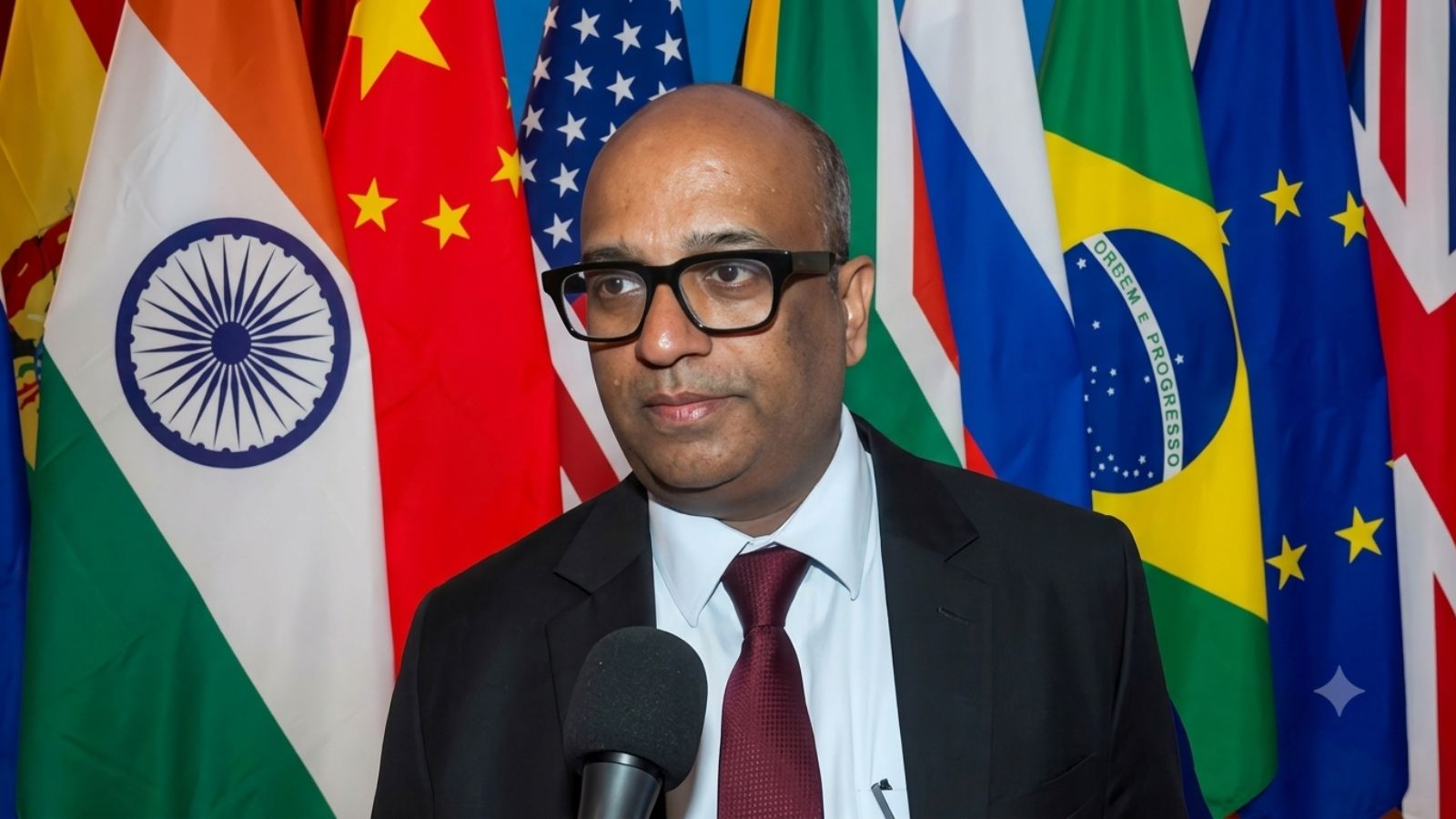
In a significant move toward internationalizing India's examination standards, the National Testing Agency (NTA) has announced plans to expand its testing framework beyond national borders. Speaking on the sidelines of the 2026 BRICS Summit in New Delhi, NTA Director General Abhishek Singh revealed the agency's vision to collaborate with BRICS nations and adopt global best practices.
The immediate priority, however, remains domestic fortification. Singh emphasized that the agency is first focusing on consolidating its internal processes to ensure that Indian examinations are conducted in a completely fair, transparent, and error-free manner. Once this foundation is solidified, the NTA intends to move toward cross-border examinations.
Why This Matters
BozokMedia analysis shows that NTA's push for global recognition is a strategic attempt to position India as a leader in educational technology and assessment standards. By creating a scalable, secure, and tech-driven model, India could potentially export its testing expertise to other developing economies.
The ultimate goal is to create a robust testing ecosystem that can be adopted by other countries, including BRICS nations, as a reliable digital public good.
A key component of this learning process involves studying China's Gaokao. As one of the world's most rigorous and large-scale national college entrance exams, the Gaokao offers significant insights into logistical management and high-level security protocols. NTA aims to collaborate with BRICS partners to share knowledge regarding question-paper technology and secure generation processes.
Furthermore, the agency is accelerating its transition to Computer-Based Testing (CBT). While exams like JEE and CUET are already CBT-based, the massive NEET-UG examination is currently in pen-and-paper mode. Singh confirmed that the transition to CBT for NEET will happen "very soon," a move supported by a high-powered task force led by Nandan Nilekani.
Examination Mode Comparison
| Examination | Current Mode | Future Target |
|---|---|---|
| JEE | CBT | CBT (Ongoing) |
| CUET | CBT | CBT (Ongoing) |
| NEET-UG | Pen-and-Paper | CBT (Upcoming) |
| UGC-NET | CBT | CBT (Ongoing) |
To combat malpractice, NTA is also integrating Artificial Intelligence (AI) into its security protocols. AI will be utilized to analyze data logs and patterns, helping to identify irregularities and prevent fraud before it occurs. This technological leap is seen as essential for maintaining the integrity of high-stakes examinations.
Frequently Asked Questions
1. How will NTA collaborate with BRICS nations?
Collaboration will focus on exam security, question-paper technology, and potentially conducting joint cross-border examinations.
2. Why is the shift to CBT important for NEET?
CBT reduces manual errors, enhances security against paper leaks, and provides faster, more accurate result processing.