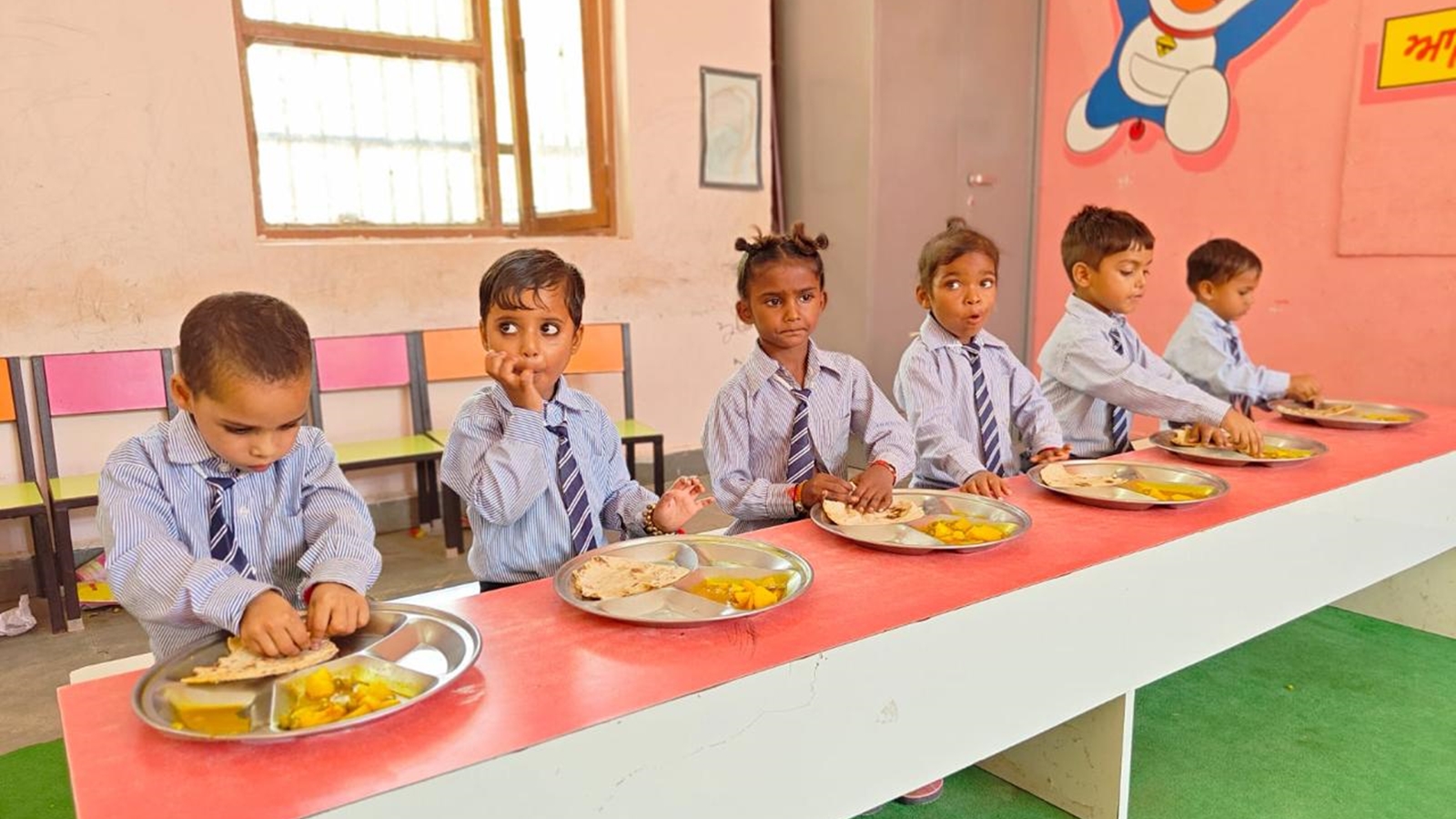
The transition to the SNA-SPARSH portal in Punjab has halted midday meal funds for months, forcing teachers to personally fund student meals due to impossible billing requirements.
- Transition to the SNA-SPARSH portal has delayed midday meal funding for 4-5 months.
- Teachers are now required to upload GST-compliant bills for all ingredients, including perishables.
- Local vendors in rural areas rarely provide formal bills, creating a compliance deadlock.
- Teachers in many districts are paying for student meals from their own pockets.
Government school teachers across Punjab are facing an unprecedented administrative and financial crisis. The implementation of the new SNA-SPARSH (System for Payments and Reporting Across Sectors Holistically) portal, mandated by the Government of India, has disrupted the disbursement of funds for the centrally sponsored Midday Meal scheme (PM-POSHAN).
For the past four to five months, teachers have reportedly not received the necessary cooking costs to prepare meals for students ranging from UKG to Class 8. As a result, many educators have been forced to use their personal savings to ensure children do not go hungry. The core of the issue lies in the portal's stringent documentation requirements: every single ingredient, including vegetables and fruits, must now be backed by a formal bill, preferably with a GST component, to qualify for reimbursement.
Why This Matters
BozokMedia analysis shows that while the move toward the SNA-SPARSH portal aims to increase transparency and streamline fund tracking, it fails to account for the informal nature of rural economies. In many parts of Punjab, fresh produce is sourced from local street vendors who operate entirely in cash and do not issue structured tax invoices.
The disconnect between sophisticated digital auditing tools and the informal reality of rural marketplaces is creating a massive bottleneck in essential social welfare delivery.
Under the PM-POSHAN scheme, which is funded by the Centre and the state in a 60:40 ratio, the daily cooking cost is set at ₹6.78 for primary students and ₹10.17 for upper primary students. Furthermore, the state provides an additional ₹5 per child per week for seasonal fruits. However, with the rising cost of commodities like bananas, teachers report that the allocated budget is insufficient, even before considering the lack of formal billing.
Historical Background
Previously, the Punjab Financial Management System (PFMS) allowed for funds to be issued to schools in advance. This allowed schools to purchase supplies as needed, with the documentation being verified during periodic audits. The shift to the reimbursement-based model under SNA-SPARSH has fundamentally changed the cash-flow dynamics for school administrators.
| Feature | Old System (PFMS) | New System (SNA-SPARSH) |
|---|---|---|
| Fund Disbursement | Advance Payment | Reimbursement after Bill Upload |
| Documentation | Post-purchase Audit | Pre-reimbursement Digital Upload |
| Vendor Compatibility | High (Flexible) | Low (Requires Formal Invoices) |
Frequently Asked Questions
Question 1: Why is the fund delayed?
Answer: The delay is due to the technical transition from the previous PFMS to the new SNA-SPARSH portal implemented by the Government of India.
Question 2: Can teachers use local vendors?
Answer: While they can, the requirement to provide formal bills makes it nearly impossible to use traditional local vendors in rural areas.