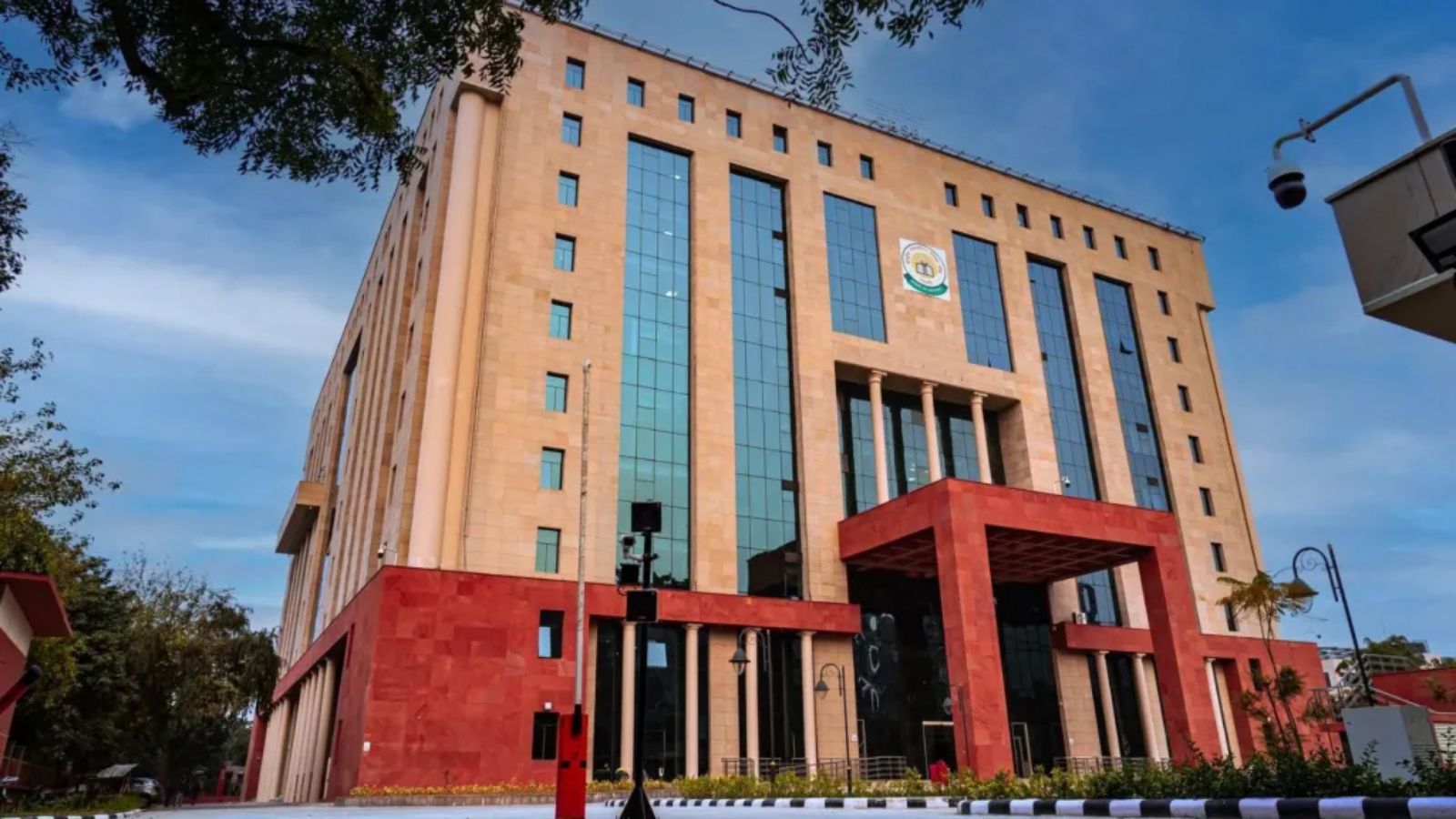
The Central Board of Secondary Education (CBSE) has directed all affiliated schools to verify student details meticulously to prevent delays and operational snags in the upcoming 2027 examinations.
- CBSE has flagged recurring errors in student personal and subject details submitted by schools.
- Incorrect data has led to avoidable delays and operational difficulties in previous examination cycles.
- Schools must ensure thorough verification before submitting candidate lists for the 2027 exams.
- Over 2 crore students are expected to appear for Class 10 and 12 exams next year.
The Central Board of Secondary Education (CBSE) has officially reached out to all its affiliated schools, expressing serious concern regarding the inaccuracies in student data. The Board emphasized that recurring errors in personal details and subject selections are causing significant administrative delays and operational hurdles.
According to a CBSE official, the pre-examination process involves collecting candidate lists from schools. However, it has been observed that several institutions have been submitting incorrect information. These discrepancies, while appearing minor, create a massive ripple effect during the examination management phase, affecting timelines and efficiency.
Why This Matters
BozokMedia analysis shows that data integrity is the backbone of large-scale educational assessments. When schools fail to provide accurate data, it places an undue burden on the Board and, more importantly, creates immense stress for students who may face identity or qualification verification issues during higher education admissions.
In an era of digital documentation, even a single character error in a student's profile can lead to years of administrative struggle.
To mitigate these risks, the Board has called for enhanced coordination and meticulous planning. Schools are being urged to adopt a rigorous verification protocol before the final submission of candidate lists. This proactive measure is aimed at ensuring a seamless experience for the estimated 20 million students expected to sit for the Class 10 and 12 Board examinations in 2027.
Historical Background
Historically, the transition from manual record-keeping to centralized digital databases has presented challenges for large educational bodies like CBSE. While digitalization has increased speed, it has also heightened the impact of 'data entry errors,' necessitating much stricter validation processes at the school level than in previous decades.
Frequently Asked Questions
1. What happens if a student's data is incorrect on the admit card?
Correcting errors post-exam can be a lengthy process involving multiple levels of verification and can delay the issuance of official marksheets.
2. Is the responsibility of data accuracy on the school or the student?
While students should check their details, the primary legal and administrative responsibility for accurate submission lies with the affiliated school.

