The Karnataka Examinations Authority (KEA) has granted permission to SMSIMSR to provide free medical education for 50% of its government quota seats. Students opting for these seats must commit to a 5-year service period.
- KEA has facilitated SMSIMSR to offer 50% of government quota seats with zero fees.
- Selected students must reside in the institutional hostel throughout the course.
- A mandatory 5-year service period at university-established hospitals is required.
- The university will provide a salary during the compulsory service period.
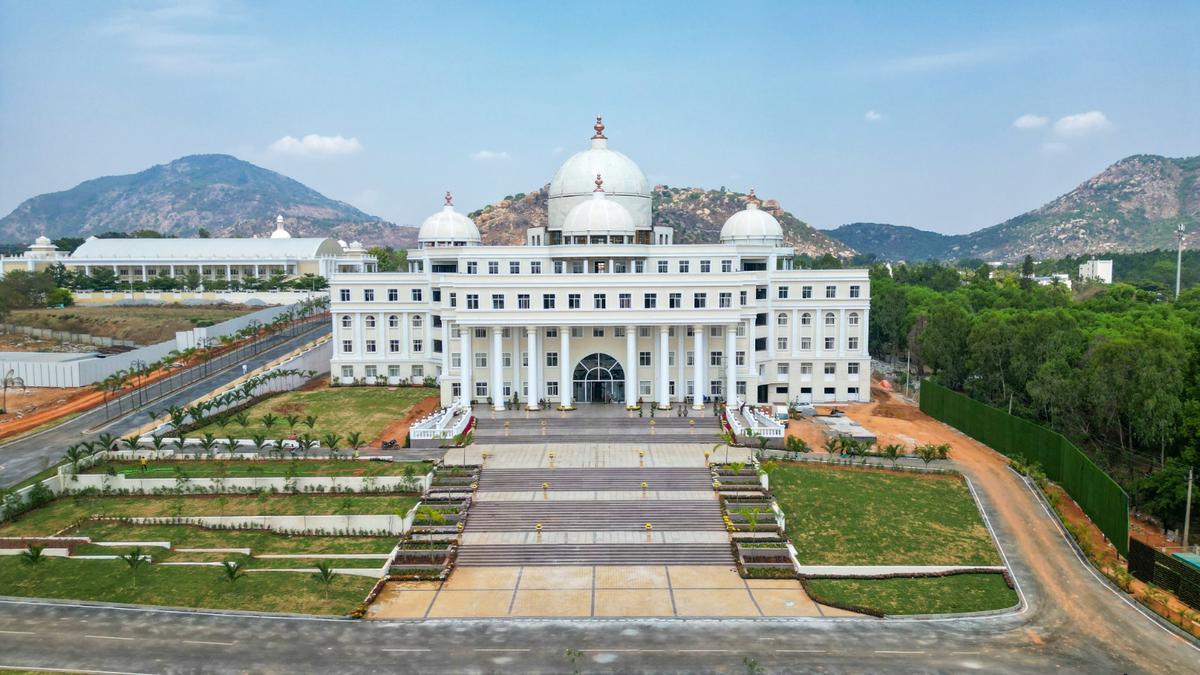
Bengaluru: In a landmark decision for medical aspirants in Karnataka, the Karnataka Examinations Authority (KEA) has officially allowed the Sri Madhusudan Sai Institute of Medical Sciences and Research (SMSIMSR), located in Muddenahalli, Chikkaballapura, to fill 50% of its government quota medical seats with zero fees. This move is expected to significantly ease the financial burden on meritorious students from economically weaker backgrounds.
Following a strategic proposal by the State Government, the KEA has streamlined the process to allow SMSIMSR to provide free medical education under the government quota. Students who agree to the institution's specific service conditions are eligible to opt for these seats in the current academic cycle.
Seat Matrix and Fee Structure
The seat distribution for SMSIMSR for the current academic year follows a specific pattern, distinguishing between free, subsidized, and high-fee quotas:
| Quota Type | No. of Seats | Annual Fee |
|---|---|---|
| Government Quota (Free) | 20 Seats | ₹0 |
| Private/Payment (Free) | 20 Seats | ₹0 |
| NRI Quota | 7 Seats | ₹40 Lakh |
| Management Quota | 3 Seats | ₹40 Lakh |
Strict Terms and Conditions
While the prospect of zero-fee medical education is highly attractive, it comes with stringent institutional mandates. To ensure the sustainability of this model, the following conditions apply:
- Mandatory Residency: Students opting for the free quota must compulsorily reside in the institute's hostel for the entire duration of their medical course.
- Compulsory Service: Upon completion of the course, candidates must serve for five years in any of the free hospitals established by the Sri Sathya Sai University for Human Excellence.
- Remuneration: During this five-year service period, the university will be responsible for paying the candidate's salary.
- Post-Graduation Clause: If a student secures a PG seat elsewhere, they may pursue it, but they must complete the remaining service period in the university's hospitals after finishing their PG.
Why This Matters
BozokMedia analysis shows that this initiative represents a significant shift in how private medical institutions can collaborate with state authorities to bridge the gap in affordable healthcare education. By integrating a service bond with free education, the state ensures a steady supply of doctors for community hospitals while providing life-changing opportunities to underprivileged students.
Ramya S., Executive Director of KEA, stated that based on the government proposal, seats will be allotted following the roster policy and other criteria, with students signing a formal terms and conditions agreement.
Historical Background
Historically, the high cost of private medical education in India has been a major barrier to entry. SMSIMSR has been advocating for a 'Special Free of Cost Admission Reservation Policy' (SFCARP) to cater to students from specific educational backgrounds, including those from Sri Satya Sai University, aiming to create a more equitable medical workforce.
Frequently Asked Questions
1. Are there any hidden costs for the zero-fee seats?
No, according to the KEA, candidates opting for these seats under the specified conditions are not required to pay any fees in any form.
2. Can I move to another city after completing my MBBS?
Not immediately; you are legally bound to complete a 5-year service period in the university's designated hospitals.