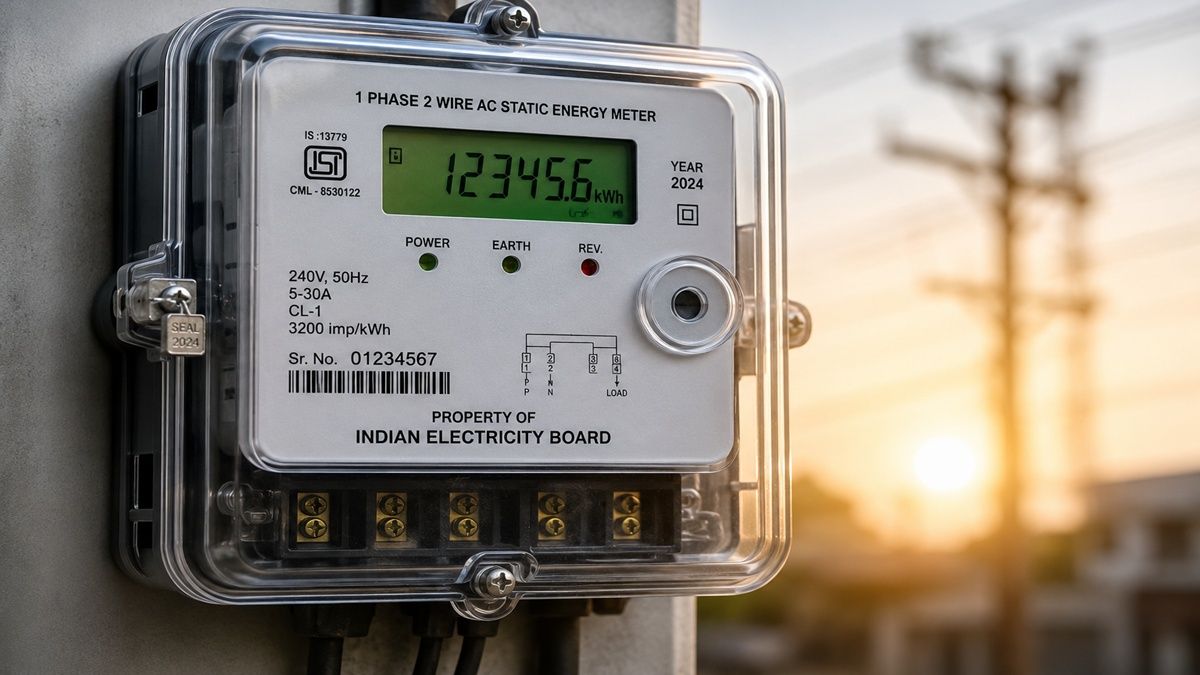
As AC usage surges, many homeowners are unknowingly triggering meter overloads. Using certain high-voltage appliances alongside your AC can result in skyrocketing electricity bills and unexpected government penalties.
Key Takeaways
- Using high-voltage appliances simultaneously with AC can cause meter overloading.
- Exceeding your sanctioned load (2kW, 3kW, or 4kW) leads to heavy overload penalties.
- Appliances like geysers, hair dryers, and induction cooktops are major culprits for sudden spikes in demand.
With rising temperatures across major cities and the Delhi-NCR region, Air Conditioners (AC) have become an essential necessity. However, the comfort of a cool room often comes with the harsh reality of massive electricity bills that can disrupt household budgets.
Understanding Meter Overload and Load Capacity
Every domestic electricity connection is sanctioned with a specific Load Capacity, typically ranging from 2kW to 4kW. When multiple high-wattage electronics operate simultaneously, the total demand can exceed this limit. This phenomenon is known as 'Meter Overload.'
Why This Matters
BozokMedia analysis shows that exceeding your sanctioned load does more than just increase unit consumption; it triggers Overload Penalties. Power distribution companies across different states apply varying penalty rates, which can significantly inflate your monthly expenditure.
Effective load management is not just about saving money; it is critical for preventing electrical fires and protecting your home's internal wiring.
High-Voltage Gadgets to Avoid Using with AC
To keep your electricity demand within safe limits, avoid running these devices while your AC is active:
- Water Geysers: These are high-wattage devices that consume immense power.
- Hair Dryers: These operate on high voltage and can cause sudden spikes in demand.
- Induction Cooktops: An induction stove consumes approximately 1.5kW, which can easily push a standard connection into an overload state.
| Appliance | Power Consumption Level | Risk with AC |
|---|---|---|
| Water Geyser | Extremely High | Very High Risk |
| Induction Cooktop | High | Medium-High Risk |
| Hair Dryer | High | Medium Risk |
Historical Context of Electricity Regulation
Historically, power companies have moved from simple flat-rate billing to sophisticated smart meters that track peak demand. This shift means that modern consumers are now penalized more strictly for 'peak load' violations than in the past.
Frequently Asked Questions
1. What happens if my meter gets overloaded?
An overloaded meter leads to higher electricity consumption readings and additional penalty charges from the utility provider.
2. Can I run an induction stove and AC together?
It depends on your sanctioned load, but for most standard 2kW or 3kW connections, it is highly likely to cause an overload.
