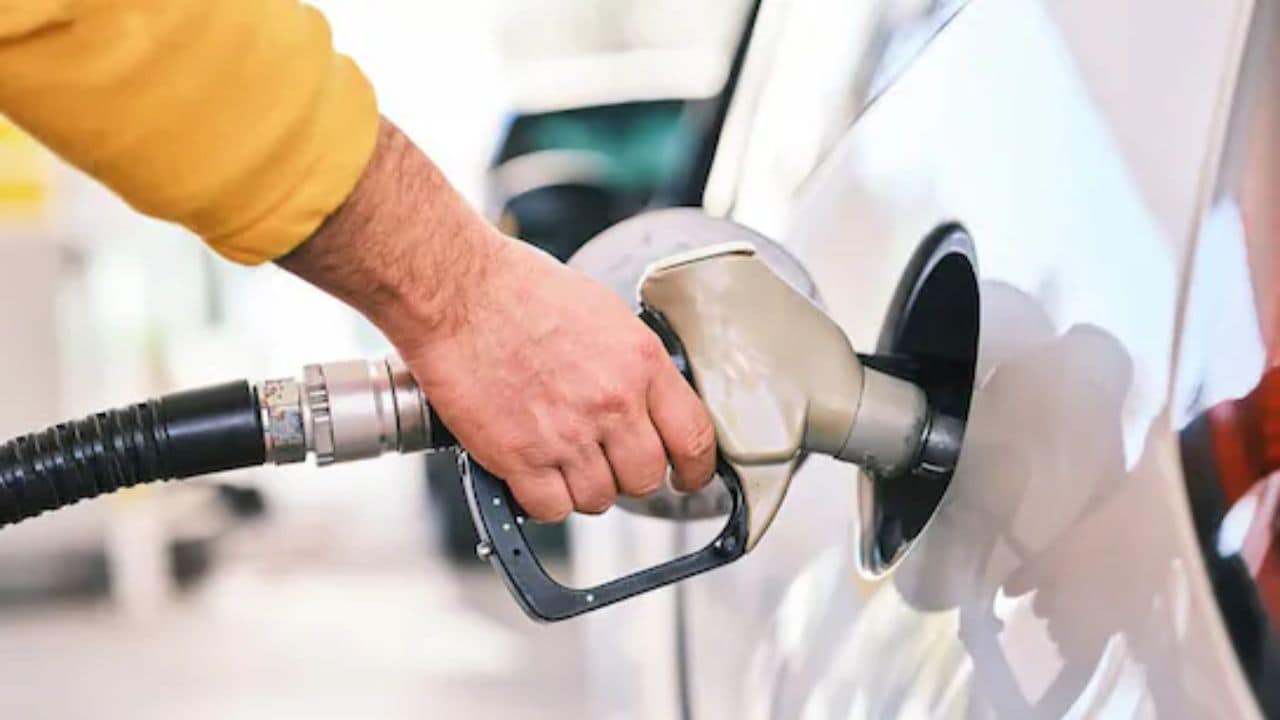
India achieved its 20% ethanol blending target five years ahead of schedule, signaling a major shift toward cleaner fuels. The government emphasizes expanding E20 petrol and has no plans to revert to pure gasoline.
Key Takeaways
- India met the 20% ethanol blending target in 2023, five years early.
- The government is promoting E20 petrol and will not return to pure gasoline.
- This move aims to cut emissions and reduce oil import dependence.
Overview
The Ministry of Finance told Parliament that India has successfully reached its 20% ethanol blending target well before the 2028 deadline. This milestone marks a decisive shift toward superior technology and cleaner fuels in the nation’s energy strategy.
Historical Background
Ethanol blending began in 2003 with a modest 5% target. The goal was raised to 10% in 2019, then to 15% in 2021. Achieving 20% today places India among the leading ethanol users in Asia and showcases the rapid scaling of bio‑fuel infrastructure.
Why This Matters
BozokMedia analysis shows that the shift to E20 not only aligns India with global climate commitments but also reduces dependence on imported crude oil, fostering greater energy security.
"E20 adoption is a decisive step toward a sustainable transport sector, delivering both environmental and economic benefits," says Dr. Ananya Rao, energy policy expert.
Future Outlook
The government plans to boost ethanol production through new bio‑fuel farms and technology incentives. It will also strengthen the logistics network to ensure widespread E20 availability at petrol stations across the country.
Frequently Asked Questions
Q1: Can all cars run on E20 petrol?
A: Most modern gasoline engines can handle E20 without modifications, though older models may require a technical check.
Q2: Will ethanol blending affect fuel prices?
A: The government has pledged subsidies and support measures to keep ethanol costs stable, minimizing any price rise for consumers.
Editor Comment: India’s bold push for E20 fuel not only accelerates its climate agenda but also sends a powerful signal of growing energy independence.