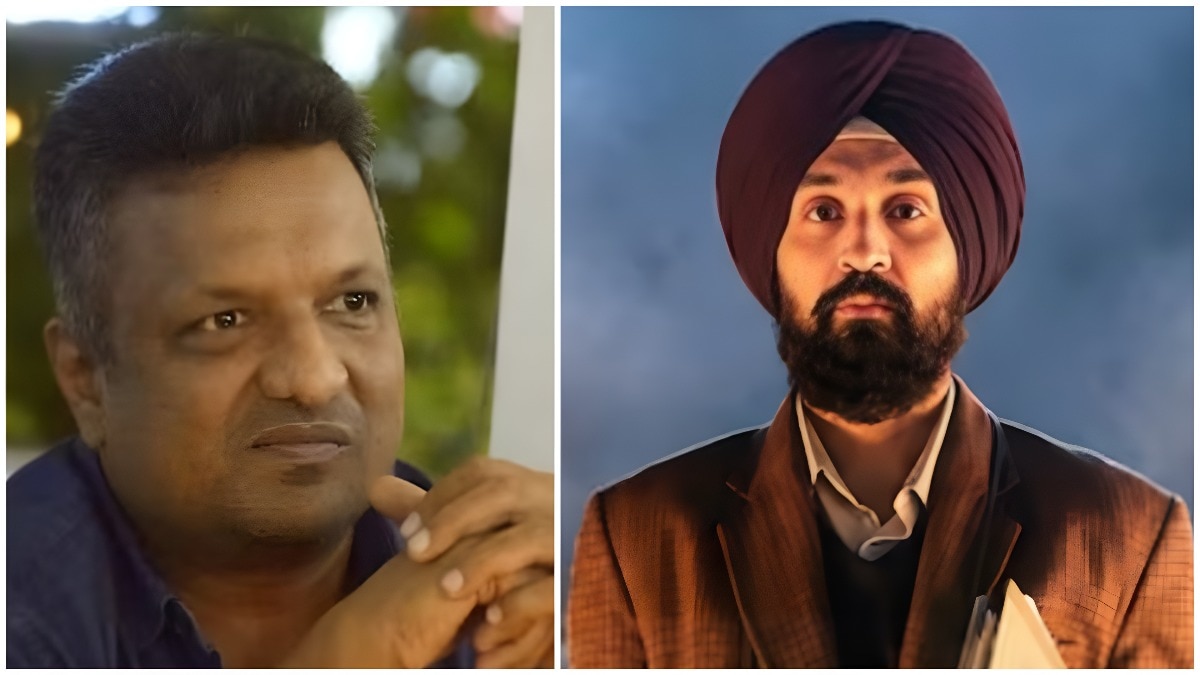
Days after being pulled from ZEE5, the film ‘Satluj’ saw its 9.5 IMDb user rating disappear. Director Sanjay Gupta branded IMDb “bogus,” while co‑writer Niren Bhatt said he had no prior notice of the removal.
New Delhi, July 8, 2026 – Following its removal from ZEE5, Honey Trehan’s contentious biopic Satluj suffered another blow when the Internet Movie Database (IMDb) abruptly deleted the film’s 9.5 user rating. The rating, which had briefly placed Satluj as the highest‑scoring Indian movie on the platform, vanished by Wednesday.
Sanjay Gupta’s Reaction
Filmmaker Sanjay Gupta took to X (formerly Twitter) with a scathing remark, posting, “Rated 9.5 till yesterday. Gone today. Not that I ever trusted or believed in IMDB ratings. But this proves how bogus they are.” His comment not only questions IMDb’s credibility but also ignites a broader debate about the influence of rating aggregators on Indian cinema.
Niren Bhatt’s Surprise
Co‑writer Niren Bhatt told Hindustan Times that he was unaware of any communication regarding the rating’s removal. “We didn’t know when the film was going to be released, and we didn’t even know when it was taken down. And now this IMDb rating – we don’t know who had a problem with it, what the problem was, or why. There was simply no communication,” he said. Bhatt had earlier criticized the prolonged opacity surrounding Satluj’s release, accusing the Central Board of Film Certification (CBFC) of “stone‑walling.”
Cultural and Political Dimensions
Bhatt also dismissed claims that the film could be weaponised by “anti‑India forces,” arguing that similar movies like The Kashmir Files and The Kerala Story have not been labeled as tools for foreign agendas. “If those films can exist, why is Satluj singled out as a potential threat?” he asked, highlighting a pattern of selective scrutiny.
Critical Acclaim Before the Pull
Prior to its removal, Satluj earned strong critical praise. India Today awarded the film four stars, noting its “restraint” and describing it as “a deeply humane story about memory, accountability and one ordinary man who refused to let thousands disappear twice.” The cast includes Diljit Dosanjh, Arjun Rampal, Kanwaljit Singh, Suvinder Vicky, and Geetika Vidya Ohlyan.
This episode underscores not only the fragility of a film’s digital footprint but also raises fundamental questions about the role of rating platforms, censorship practices, and the need for transparent communication within the Indian film ecosystem.