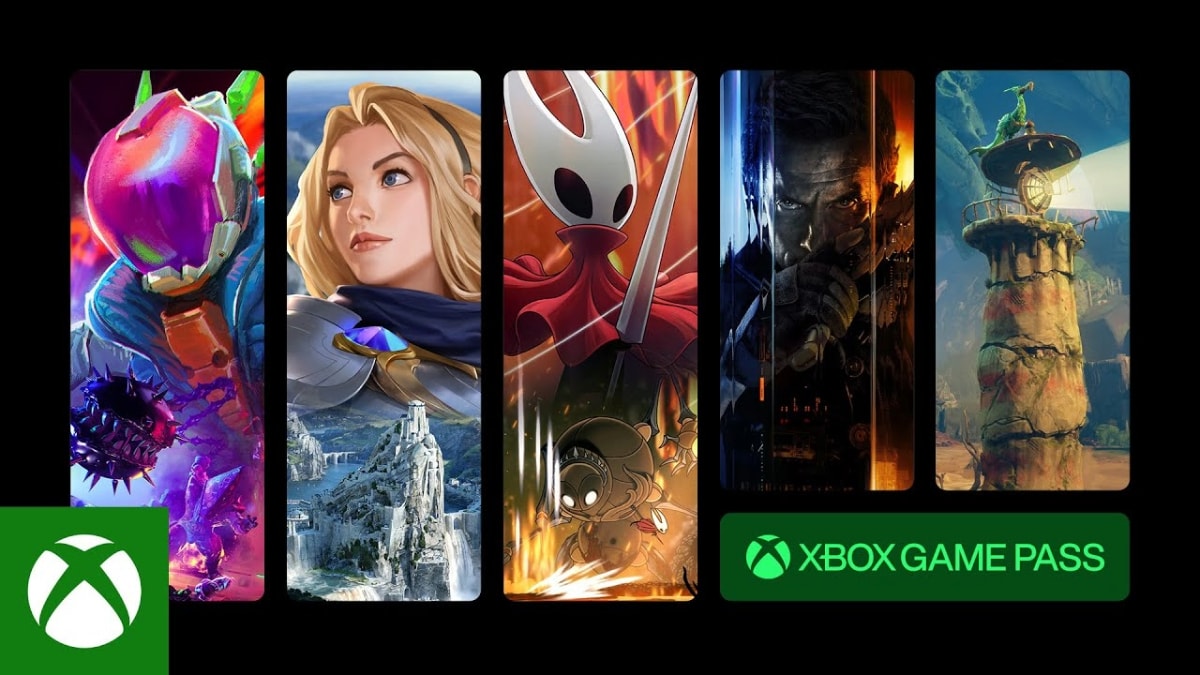
Microsoft’s flagship gaming subscription service, Xbox Game Pass, has reportedly shed roughly 4 million members since 2024, bringing its total to 30 million. Reports cite rising competition, pricing tweaks and content saturation as key factors behind the decline, prompting the company to reassess its strategy.
Microsoft’s Xbox Game Pass has reportedly lost around four million subscribers since 2024, leaving its user base flat at 30 million. This drop follows a peak of 34 million members in 2023, marking a significant setback for the company’s subscription engine.
Background and Growth Trajectory
Launched in 2017, Game Pass rapidly built a vast library of titles, positioning itself as a one‑stop shop for gamers worldwide. By 2020, the service had amassed over 30 million subscribers, fueled by aggressive pricing and an ever‑expanding roster of first‑party releases. Yet, from 2025 onward, competitors such as Steam, Nintendo’s online offerings, and emerging platforms have chipped away at its market share.
Drivers Behind the Subscriber Decline
Industry analysts point to three main culprits: 1) Pricing Strategy – a 2025 price hike to $9.99/month alienated cost‑conscious users; 2) Content Saturation – repeated titles and lower‑quality DLCs eroded subscriber loyalty; and 3) Competitive Exclusives – Nintendo’s first‑party titles and Steam’s exclusive deals drew younger audiences.
Microsoft’s Response and Future Outlook
CEO Asha Sharma acknowledged that “growth did not accelerate as we expected” and announced a renewed focus on faster release cycles for exclusive titles and a re‑evaluation of premium packages. The company also hinted at revisiting third‑party partnership models to secure fresh, high‑value content.
Industry Implications and Analysis
This subscriber dip underscores that the subscription model in gaming now hinges on more than just price. User experience, unique content, and transparent pricing will dictate the next wave of competition. If Microsoft addresses these challenges promptly, it can reclaim its leadership position; otherwise, rival platforms stand to benefit from the gap.