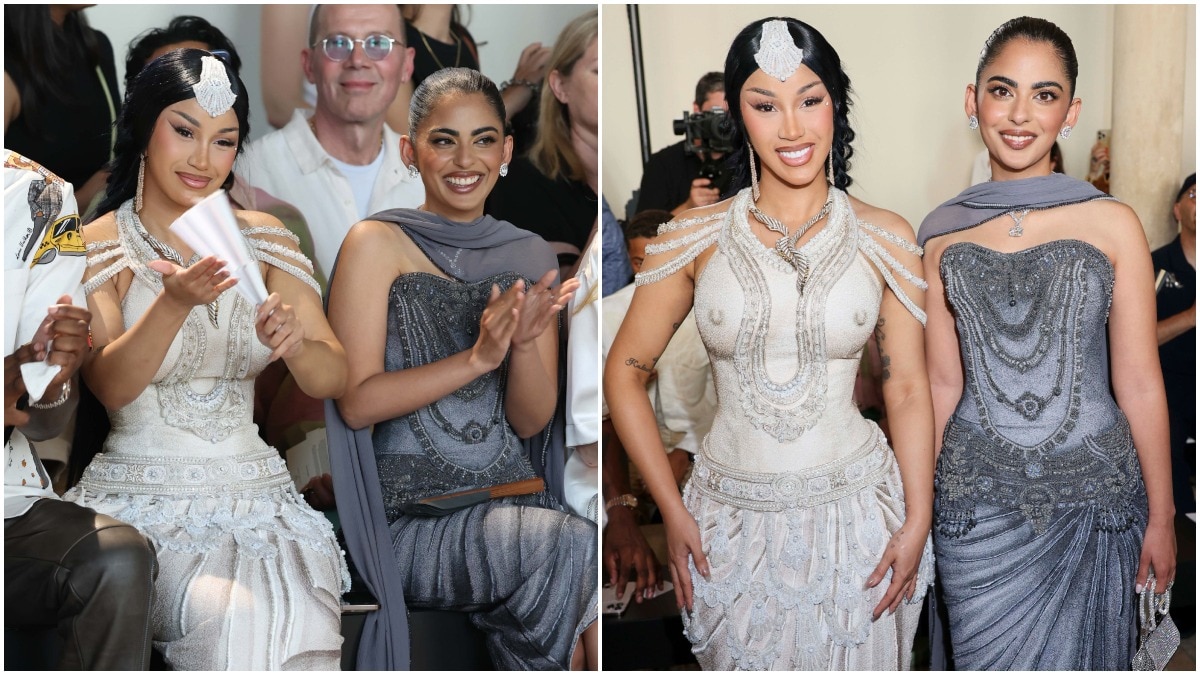
Rapper Cardi B’s recent focus on Isha Ambani during a high‑profile fashion show sparked global buzz. The intrigue isn’t about a Birkin bag but a blend of style, branding and cross‑cultural power dynamics.
Key Takeaways
- Cardi B praised Isha Ambani’s look, not a Birkin bag.
- Isha’s personal branding amplifies India’s high‑net‑worth influence abroad.
- The incident highlights a new synergy between pop culture and Indian elite power.
Cardi B and Isha Ambani represent two distinct worlds—an American hip‑hop icon and the daughter of India’s richest industrialist. When they both appeared at London Fashion Week this month, social media exploded with speculation. Many guessed the rapper’s fascination stemmed from a luxury Birkin, yet insiders clarified that the real magnet was something far subtler.
Background and Social Context
Isha Ambani, daughter of Reliance Industries chairman Mukesh Ambani, has emerged as a fashion‑forward figure in India over the past few years. She consistently garners praise for her curated wardrobe, limited‑edition collaborations, and a polished personal brand. Cardi B, known for her bold statements and lavish lifestyle, frequently showcases high‑end accessories on her platforms. Their paths crossed when Isha headlined a new collection launch for a premium label, and Cardi streamed the runway live to her millions of followers.
Why Not a Birkin? The Real Appeal
Fashion analysts point to three main reasons for Cardi’s keen interest: first, Isha’s ensembles blend traditional Indian motifs with avant‑garde tailoring, offering an aesthetic that feels fresh to Western eyes. Second, Isha’s public persona—as an active participant in her family’s business empire—projects a rare image of power that transcends the usual celebrity‑designer narrative. Third, Isha’s social‑media strategy favors minimal editing, presenting a raw, “no‑filter” look that resonates with Cardi’s own authenticity‑driven brand.
Potential Ripple Effects
This encounter is more than a fleeting headline; it signals possible collaborations between the hip‑hop music sphere and Indian corporate fashion. Should the two pursue joint ventures—be it co‑branded merchandise or ambassadorships—it could set a new benchmark for global branding aimed at India’s youthful, aspirational demographic. Moreover, such high‑visibility coverage may elevate Indian fashion houses on the world stage, attracting further investment and talent.
In sum, Cardi B’s “obsession” with Isha Ambani is not about a Birkin bag, but a deeper cultural and commercial alignment that could reshape how Western pop icons engage with Indian elite style.

:max_bytes(150000):strip_icc():focal(749x0:751x2)/angelina-jolie-vivienne-brad-pitt-72126-9b14580509bb4a878547ec6d2c0617c3.jpg)