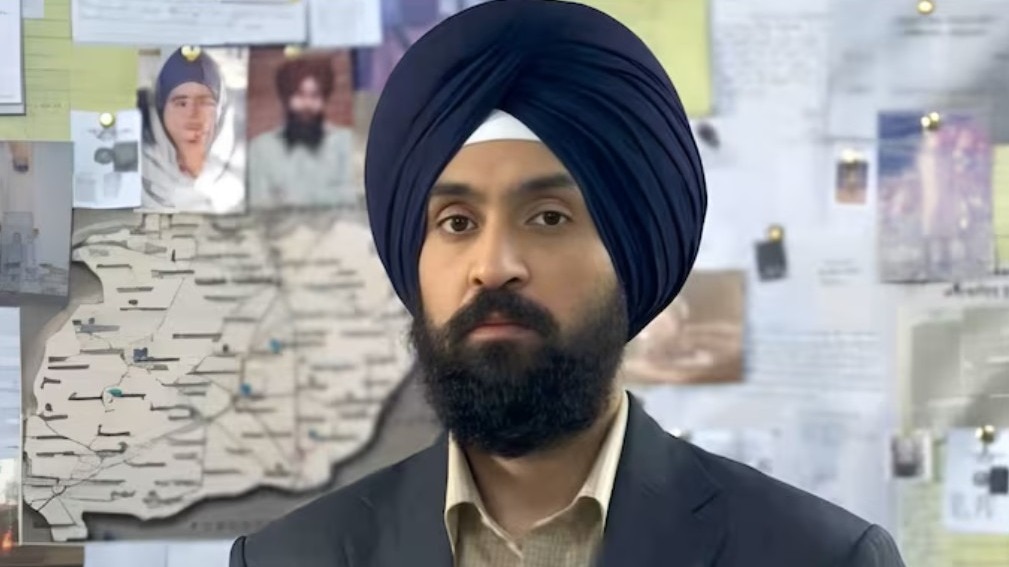
Diljit Dosanjh's controversial film 'Satluj' has been removed from ZEE5's international catalog following a ban in India. The move deepens the ongoing certification and release challenges surrounding the movie.
Key Takeaways
- 'Satluj' removed from ZEE5 International after the India takedown.
- The film still lacks CBFC clearance; 127 cuts were demanded.
- Based on Jaswant Singh Khalra's human‑rights struggle, the movie ignites political debate.
New Delhi – Actor‑singer Diljit Dosanjh sees his film ‘Satluj’ disappear from ZEE5’s international streaming library, a decision that follows a domestic ban in India. The removal, reported on Tuesday evening, adds another layer to a prolonged battle over certification, content, and political sensitivity.
Background and Censorship Hurdles
Originally titled ‘Punjab ’95’, ‘Satluj’ was submitted to the Central Board of Film Certification (CBFC) in 2022 but has yet to receive a clearance certificate. The board reportedly demanded 127 cuts, citing the film’s portrayal of the militant era in Punjab and the alleged fake encounters and mass cremations linked to human‑rights activist Jaswant Singh Khalra. This subject matter has historically attracted intense scrutiny from Indian authorities.
OTT Platform Conflict
After a low‑key release on ZEE5 on July 3, 2026, the film was pulled within days, and its IMDb user rating was subsequently removed, amplifying the controversy. Earlier, the movie had been slated for a premiere at the 2023 Toronto International Film Festival, but the screening was cancelled after objections were reportedly raised by Indian officials.
Diljit’s Live Appeal and Future Outlook
During an Instagram Live session, Diljit confirmed he anticipated the takedown and urged fans to share the film with anyone who had not yet seen it. “I will stand with Punjab until my last breath,” he said, reaffirming his commitment to the state’s narrative. The cast also includes Kanwaljeet Singh, Arjun Rampal, Suvinder Vicky, and Geetika Vidya Ohlyan.
Implications for Indian Cinema
The removal underscores the fragile balance between creative expression and regulatory control in India. ZEE5’s statement cited “current developments” as the reason for the film’s unavailability, without detailing the specific trigger. If regulatory pressures persist, other socially relevant projects may face similar restrictions, both domestically and on international platforms.