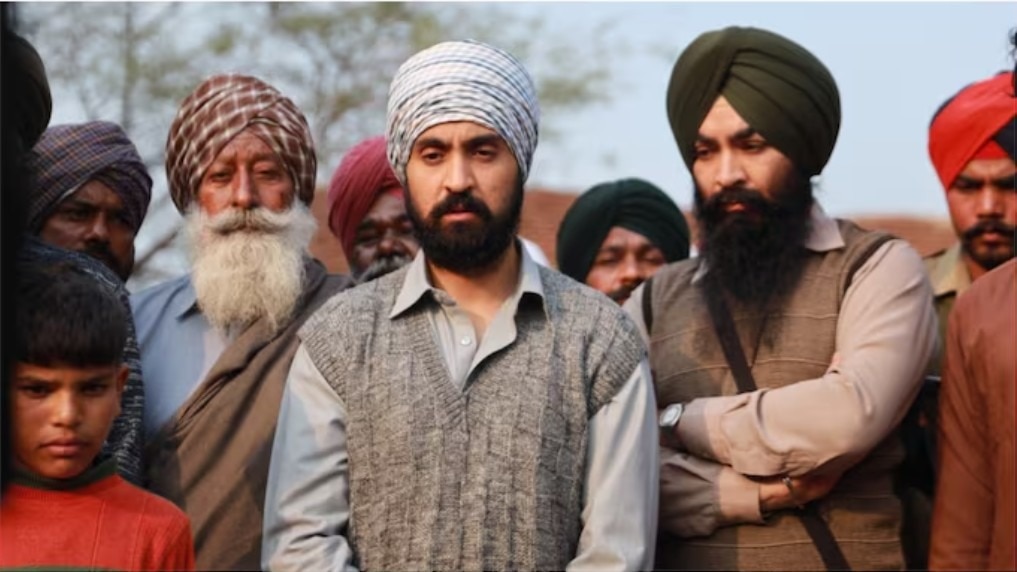
Following its removal from the ZEE5 platform, the Punjabi film ‘Satluj’ is now spreading rapidly across Punjab villages via private screenings. This unconventional distribution model poses fresh challenges for both audiences and the film industry.
मुख्य बिंदु (Key Takeaways)
- After ZEE5 removal, ‘Satluj’ gains popularity through private village screenings.
- Informal distribution networks in Punjab have accelerated the film's reach.
- The trend highlights regulatory impacts on digital platforms and evolving audience consumption habits.
In the remote corners of Punjab, the Punjabi‑language film ‘Satluj’ is now being shown through makeshift private screenings after being pulled from the national streaming service ZEE5. The shift underscores how audiences adapt when official channels disappear, and how grassroots networks fill the vacuum.
Background: Why ZEE5 Took Down Satluj
In June 2024, ZEE5 announced the removal of ‘Satluj’ from its catalogue, citing typical reasons such as copyright disputes, regulatory compliance issues, or content‑related concerns. The decision left millions of subscribers without a legal avenue to watch the film, reigniting debates over digital content governance in India.
Rise of Private Village Screenings
Almost immediately, local entrepreneurs, community halls, and even private homes began projecting the film using high‑lumens projectors and portable sound systems. These “underground” screenings often charge a fraction of the official ticket price, making the film accessible to a broader rural audience that would otherwise miss out.
Economic and Social Ripple Effects
The informal market has become a modest revenue stream for village vendors. Rental of projection equipment, sale of snacks, and ticket collection generate supplemental income for many families. Socially, the gatherings foster a collective viewing experience, reviving communal storytelling traditions and sparking discussions that reinforce local cultural identity.
Legal Concerns and Future Outlook
While these screenings satisfy viewer demand, they operate outside copyright law, exposing participants to potential legal repercussions. The episode signals to industry stakeholders that there is a pressing need for affordable, legally compliant distribution models tailored to rural India—perhaps through low‑cost streaming bundles or scheduled releases in local theatres. If digital platform access remains limited, such informal networks are likely to proliferate, reshaping the distribution landscape.