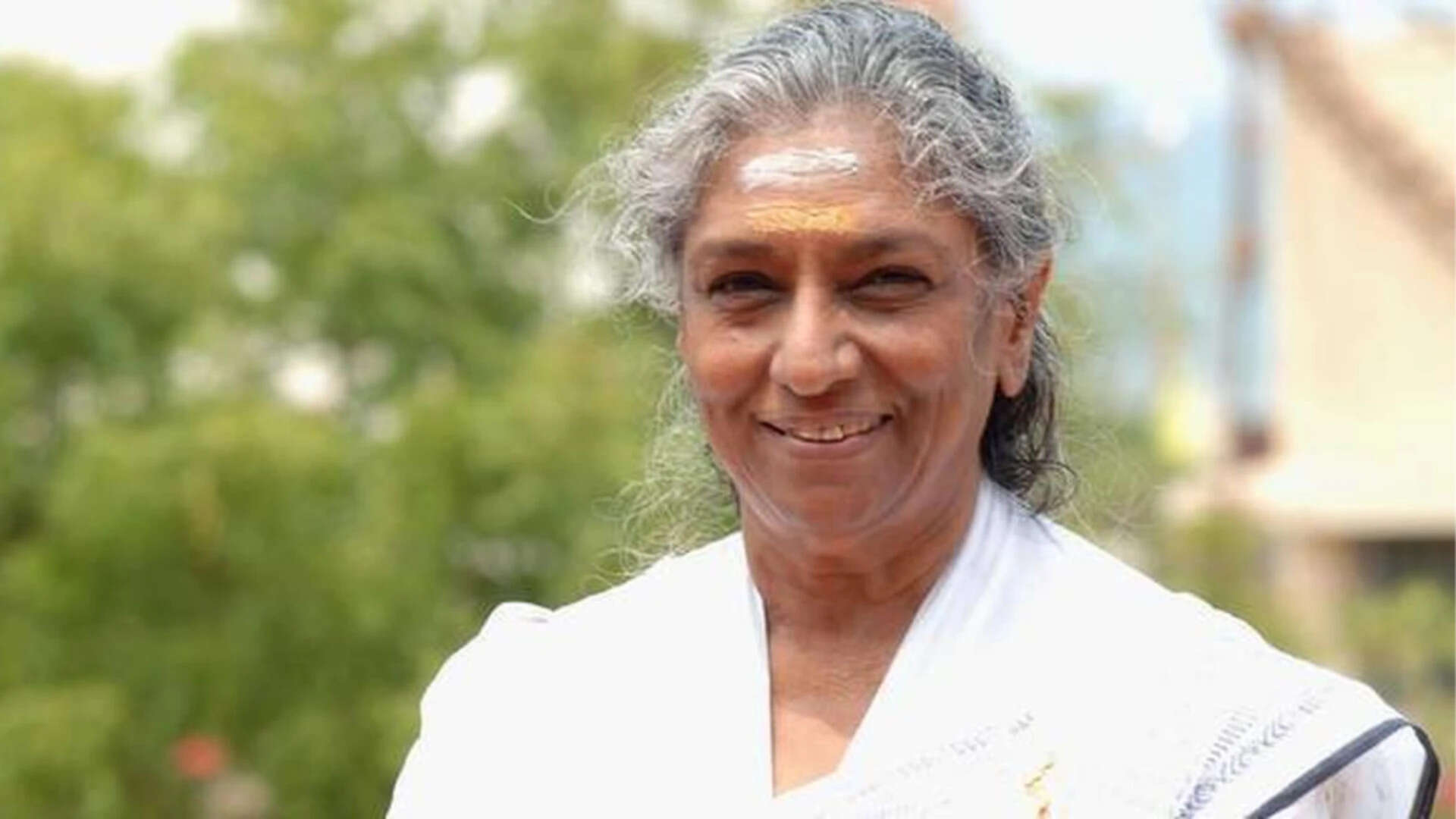
Legendary singer S. Janaki, the Nightingale of South India, passed away at 88 in Mysuru. She famously turned down the Padma Bhushan in 2013, insisting that artists deserve timely recognition, and continued to call for the Bharat Ratna.
Key Takeaways (मुख्य बिंदु)
- S. Janaki passes away at age 88
- She rejected the Padma Bhushan in 2013
- She continues to demand the Bharat Ratna for her artistic legacy
South India’s most revered vocalist, S. Janaki, died in Mysuru on July 12 at the age of 88. Affectionately called “Janaki Amma,” she left behind a catalog of over 20,000 songs in multiple languages, shaping the soundscape of Indian cinema for more than six decades.
Unparalleled Musical Journey
Janaki’s career began in the mid‑1950s with the Tamil film “Idhayakani,” quickly establishing her as a versatile playback singer. She sang in Tamil, Telugu, Kannada, Malayalam, and Hindi, delivering emotive renditions that ranged from devotional hymns to romantic ballads. Her voice became synonymous with the golden era of South Indian cinema, earning her countless state and national accolades, though the most coveted honor remained elusive.
The 2013 Padma Bhushan Rejection
In 2013, the Government of India announced that Janaki would receive the Padma Bhushan, the nation’s third‑highest civilian award. Citing a belief that “recognition should arrive while the artist is alive to appreciate it,” she declined the honor. The decision sparked a nationwide debate about the timing of cultural awards and the perceived hierarchy of artistic merit.
Demand for the Bharat Ratna
Following her refusal, Janaki publicly asserted that her body of work merited the Bharat Ratna, India’s highest civilian award. Her stance highlighted a broader issue: many artists feel that accolades often arrive posthumously, diminishing their impact. By demanding the nation’s top honor, Janaki aimed to shift the conversation from ceremonial timing to genuine appreciation of artistic contributions.
Legacy and Ongoing Influence
Janaki’s death marks a profound loss for Indian music, yet her recordings continue to inspire new generations. Tributes poured in from film industries, fellow singers, and cultural institutions, many pledging scholarships and archival projects in her name. Her story underscores the urgent need for policy makers to revisit how and when cultural icons are celebrated, ensuring that the nation’s artistic heritage receives real‑time reverence.