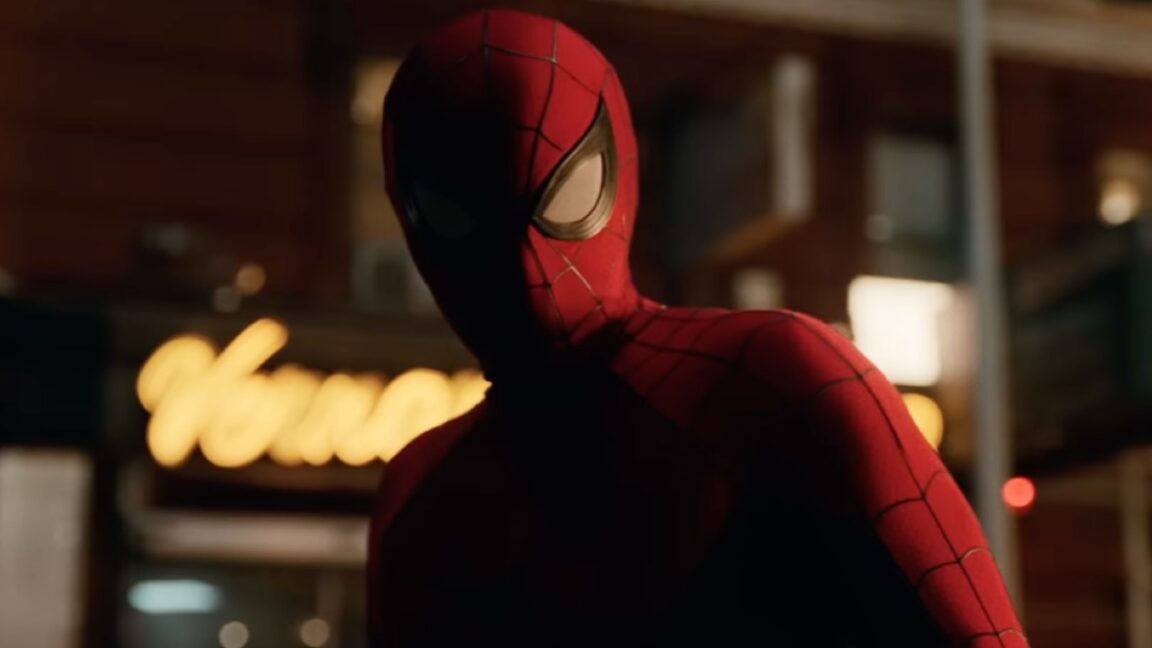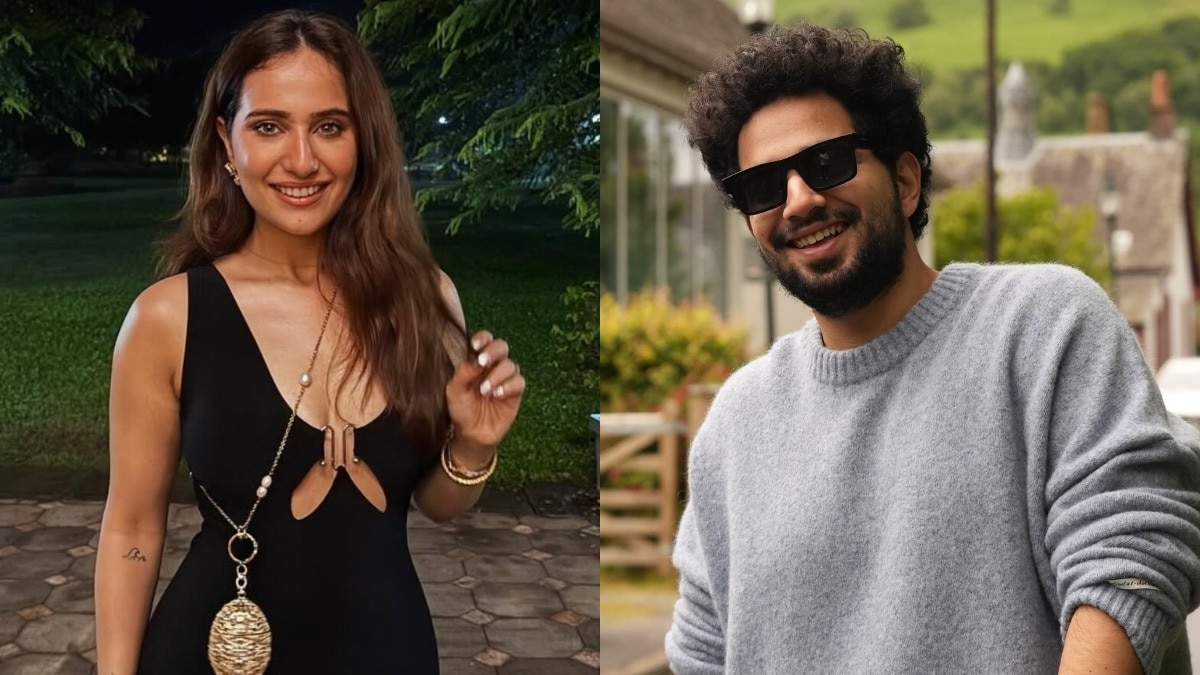
An actress has strongly reacted to a viral morphed photo involving stand-up comedian Samay Raina, stating she has not forgiven him and will never forget the public humiliation. The controversy highlights the growing concern over digital safety and the ethical boundaries of modern internet comedy.
Key Takeaways
- An actress has publicly addressed a viral morphed photo involving comedian Samay Raina, expressing deep resentment.
- She clarified that she has not forgiven the comedian, calling the incident an unforgettable insult.
- The controversy has reignited debates on the ethical boundaries of online roasting, digital harassment, and the impact of deepfakes on women.
The digital landscape has once again become a battleground over boundaries, consent, and humor. Recently, an actress broke her silence regarding a highly controversial morphed photograph featuring her and popular stand-up comedian Samay Raina. Expressing her deep anguish, she made it clear that she has not forgiven the comedian and emphasized that she will never forget the public humiliation she was subjected to.
The controversy, which had been brewing on social media platforms for some time, escalated when the actress decided to address the fake photo directly. In her statement, she expressed dismay over how easily digital media can be manipulated to tarnish someone's reputation. "I have not forgiven Samay Raina," she stated, pointing out that what some perceive as harmless comedy or internet banter often crosses into the realm of harassment and character assassination.
The Boundaries of Modern Roast Comedy
This incident shines a spotlight on the controversial nature of modern Indian roast comedy, where comedians like Samay Raina often push the envelope. While Raina is known for his edgy, dark humor and interactive live streams, critics argue that the culture of "roasting" frequently bypasses basic human decency and consent. The proliferation of morphed images and deepfakes has further weaponized the internet against female public figures, making it incredibly difficult to distinguish between satire and targeted cyberbullying.
Legal and Social Implications
Legal experts and digital rights advocates have frequently called for stricter regulations regarding the unauthorized use of a person's likeness. Under Indian IT laws, creating or sharing morphed images is a punishable offense. However, the enforcement remains slow, and the social stigma attached to such viral controversies often leaves the victims fighting a lonely battle against online trolls. The actress's refusal to quietly move past the incident marks a significant stance against the normalization of digital disrespect.
As the debate rages on, social media users remain divided. While some fans of the comedian defend the incident as part of internet subculture, a vast majority of netizens have rallied behind the actress, demanding accountability and a shift in how digital content creators respect personal boundaries.