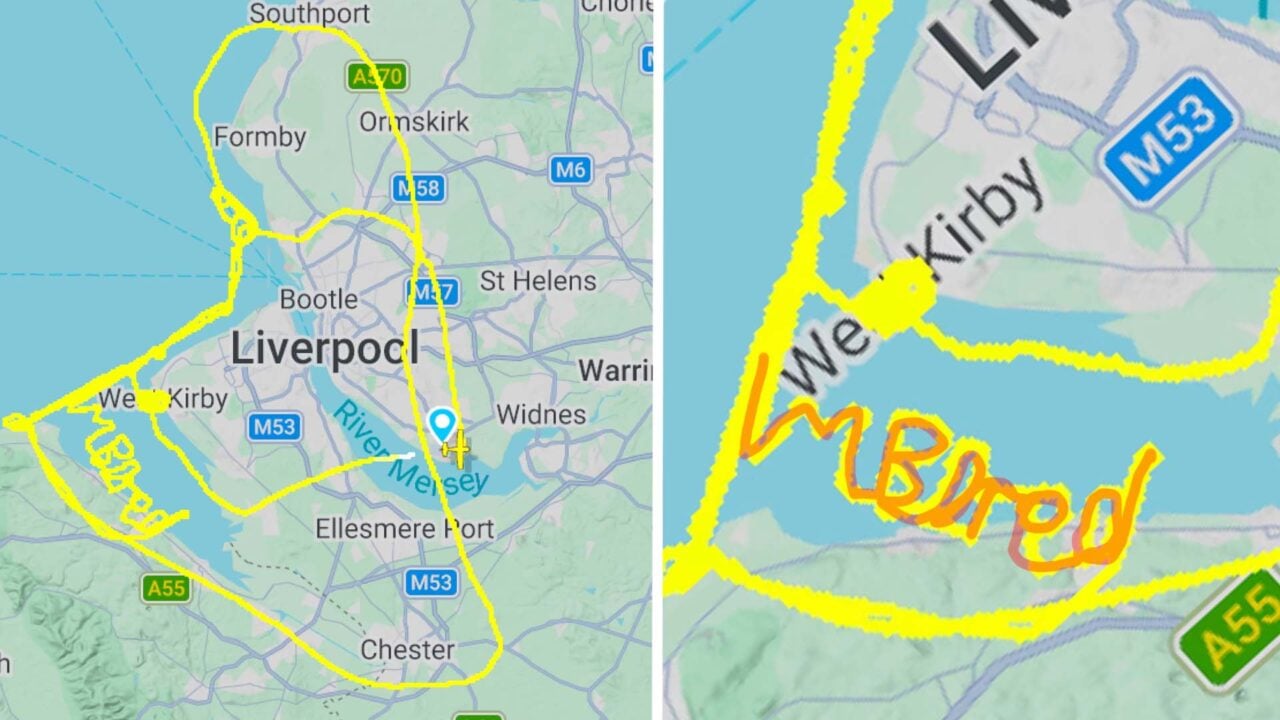
A pilot turned his boredom into a sky‑high message, writing ‘I’m Bored’ across England’s skies. The stunt sparked viral social media buzz while raising questions about aviation safety and mental health in the cockpit.
Key Takeaways
- Pilot used a small aircraft to write ‘I’m Bored’ over England
- Skywriting dates back to the 1920s, but this instance was for personal expression
- Aviation authorities have pledged a full investigation into the unauthorized stunt
A quirky yet striking incident briefly turned the British sky into a giant billboard. A private pilot, flying at roughly 30,000 feet, released a thin stream of smoke that spelled out the words “I’m Bored”. Passengers on the ground captured the moment on their phones, and the footage quickly spread across Instagram, Twitter, and other platforms, igniting a wave of online commentary.
Historical Context of Skywriting
Skywriting, or “aerial advertising”, originated in the United States during the 1920s when commercial pilots were hired to spray smoke for advertisements. The technique involves a specially formulated oil‑based fuel that, when burned, creates a dense, white plume visible from miles away. In this case, the pilot employed a standard aviation fuel mixed with a light smoke additive, allowing the message to appear crisp and legible within seconds.
Aviation Safety and Regulatory Response
Britain’s Civil Aviation Authority (CAA) immediately issued a statement emphasizing that unauthorized skywriting violates existing air‑space regulations. While the pilot maintained a controlled flight path and adhered to standard safety protocols, the CAA announced a comprehensive review to ensure that such spontaneous displays do not jeopardize other aircraft or public safety.
Mental Health, Workplace Boredom, and Pilot Well‑Being
The motive behind the message remains unclear, but the incident has reignited conversations about occupational boredom, stress, and mental health among pilots. Aviation psychologists note that long hours, repetitive routes, and isolation can sometimes push pilots toward creative or unconventional outlets. This episode underscores the need for airlines and regulators to prioritize crew well‑being and provide channels for healthy expression.
Social Media Impact and Viral Culture
The clip amassed millions of views within hours, sparking a blend of amusement, criticism, and admiration. While some users labeled the stunt as disrespectful, many praised its artistic flair. The rapid virality illustrates how any atypical visual—no matter how fleeting—can dominate global discourse in today’s digital age, turning a moment of personal ennui into a public spectacle.

:max_bytes(150000):strip_icc():focal(749x0:751x2)/angelina-jolie-vivienne-brad-pitt-72126-9b14580509bb4a878547ec6d2c0617c3.jpg)