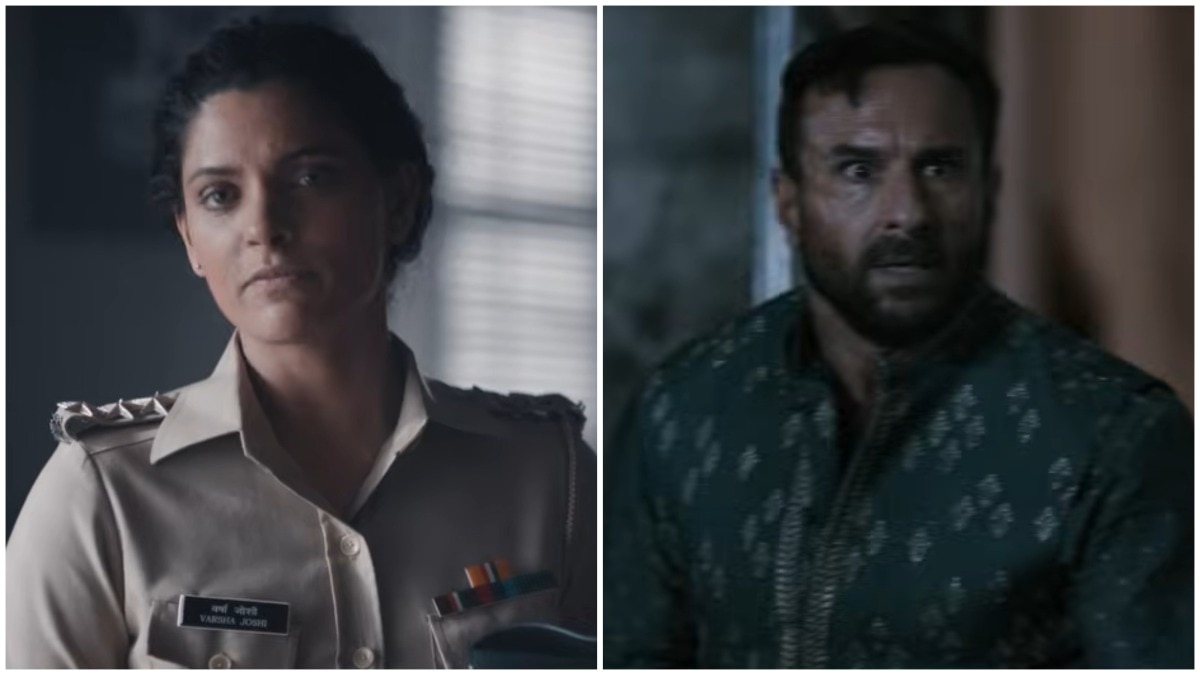
Sukhbir Singh Badal condemned the removal of Diljit Dosanjh’s film ‘Satluj’ from ZEE5, labeling it an assault on collective memory, truth and freedom of expression. He urged Punjab to confront its painful past honestly rather than through suppression.
Key Takeaways
- Satluj was pulled from ZEE5, sparking political and cultural debate.
- Sukhbir Badal described the removal as an attack on collective memory.
- The film exposes the 1990s state‑sanctioned extrajudicial cremations in Punjab.
Shiromani Akali Dal (SAD) chief Sukhbir Singh Badal took to X (formerly Twitter) on July 6, 2026 to denounce the abrupt removal of Diljit Dosanjh’s long‑awaited film Satluj from the streaming platform ZEE5. He wrote, “This is not mere censorship, it is an assault on our collective memory, truth, and freedom of expression.”
Background of the Film and Its Controversy
Directed by Honey Trehan, the movie was originally titled “Punjab 95” and chronicles the real‑life crusade of social activist Jaswant Singh Khalra, who risked his life to uncover thousands of secret extrajudicial cremations carried out by the state in the 1990s. After a protracted battle with the Central Board of Film Certification (CBFC) that demanded 127 cuts, the film finally cleared for release.
ZEE5’s Statement and Sudden Withdrawal
On July 5, ZEE5 posted a celebratory note praising the overwhelming response to Satluj, adding, “We stand by the vision behind the film and believe powerful storytelling can inspire lasting impact.” Yet two days later the platform inexplicably removed the title, offering no public explanation. The move left filmmakers, activists, and Punjabi audiences bewildered.
Political Fallout and Badal’s Critique
Badal’s reaction framed the incident as a broader assault on historical truth. “Punjab deserves to confront its past with honesty, not suppression,” he wrote. His condemnation resonated across social media, prompting debates about India’s evolving censorship regime and the chilling effect on artistic expression. Media scholars warn that such arbitrary takedowns may encourage self‑censorship among creators, stifling critical narratives.
Looking Ahead
ZEE5 later hinted that “the conversation Satluj started hasn’t paused” and promised a possible reinstatement. Meanwhile, Khalra’s widow, Paramjit Kaur, called on the Akal Takht to set up a ‘People’s Commission’ to investigate the broader issue of state‑sanctioned atrocities. The Satluj saga thus transcends cinema, becoming a flashpoint for discussions on memory, accountability, and the limits of state control over cultural discourse.