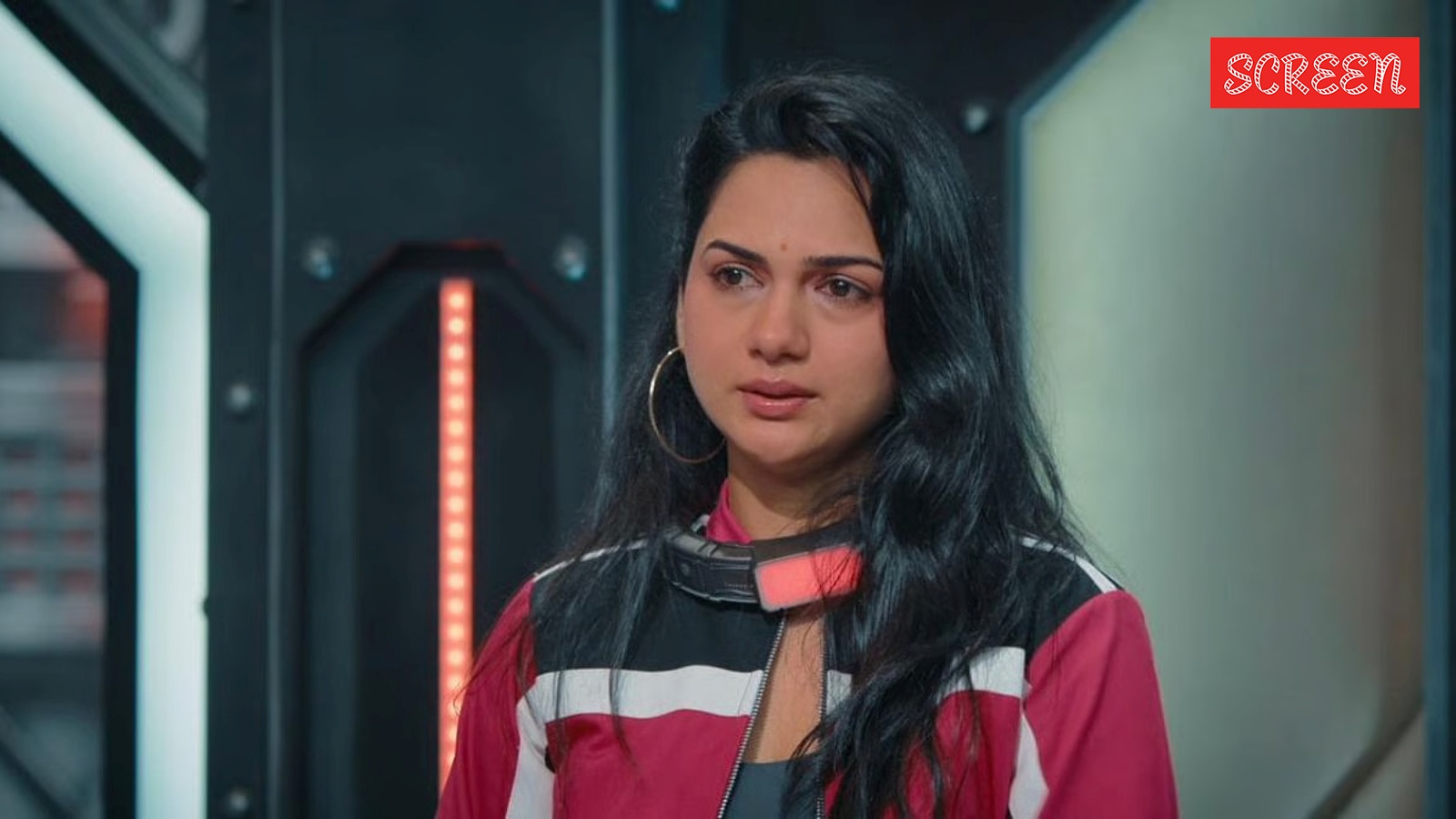
Television actress Akanksha Chamola revealed on Lock Upp 2 that she now identifies as asexual, citing her ongoing divorce from Gaurav Khanna. The candid admission adds a fresh dimension to discussions on sexual fluidity in Indian media.
Key Takeaways
- Akanksha Chamola publicly identifies as asexual
- Divorce has prompted a shift in her sexual desire
- Her statement sparks renewed debate on LGBTQ+ representation in Indian TV
In the latest episode of Lock Upp 2, television star Akanksha Chamola disclosed that she now considers herself asexual. Earlier this year she had announced her bisexual orientation before marriage, but amid a decade‑long marriage that is now ending, she says she no longer desires any physical relationship with men or women.
Background and Earlier Revelations
Akanksha married actor Gaurav Khanna in November 2016 after meeting during an audition. After almost ten years together, the couple announced their separation during the reality show. In the same episode that revealed the divorce, Akanksha first opened up about being bisexual, a statement that already challenged conventional narratives in Indian entertainment.
Understanding Asexuality in Her Context
During a conversation with fellow contestant Varun Yadav inside the Lock Upp cell, she explained, “Sexuality keeps changing. In my current phase, I’m going through a divorce and I don’t want sex—neither with men nor with women. This is called asexuality.” She emphasized that her stance is tied to emotional circumstances rather than a permanent label, underscoring the fluid nature of sexual identity.
Future Plans and Personal Autonomy
When asked whether she would consider remarriage, Akanksha responded unequivocally, “I don’t want to get married again. I’m done. For the first time I will live alone, in my own house, and ride solo for life.” This declaration highlights her shift toward independence, away from traditional expectations of motherhood and marital continuity.
Broader Societal Impact
Akanksha’s asexual declaration is likely to influence how Indian television portrays LGBTQ+ spectrums. Media analysts suggest that such transparency can foster greater acceptance, especially for viewers grappling with similar identity questions. It also signals a growing willingness among mainstream personalities to discuss nuanced aspects of sexuality, potentially paving the way for more inclusive storylines.