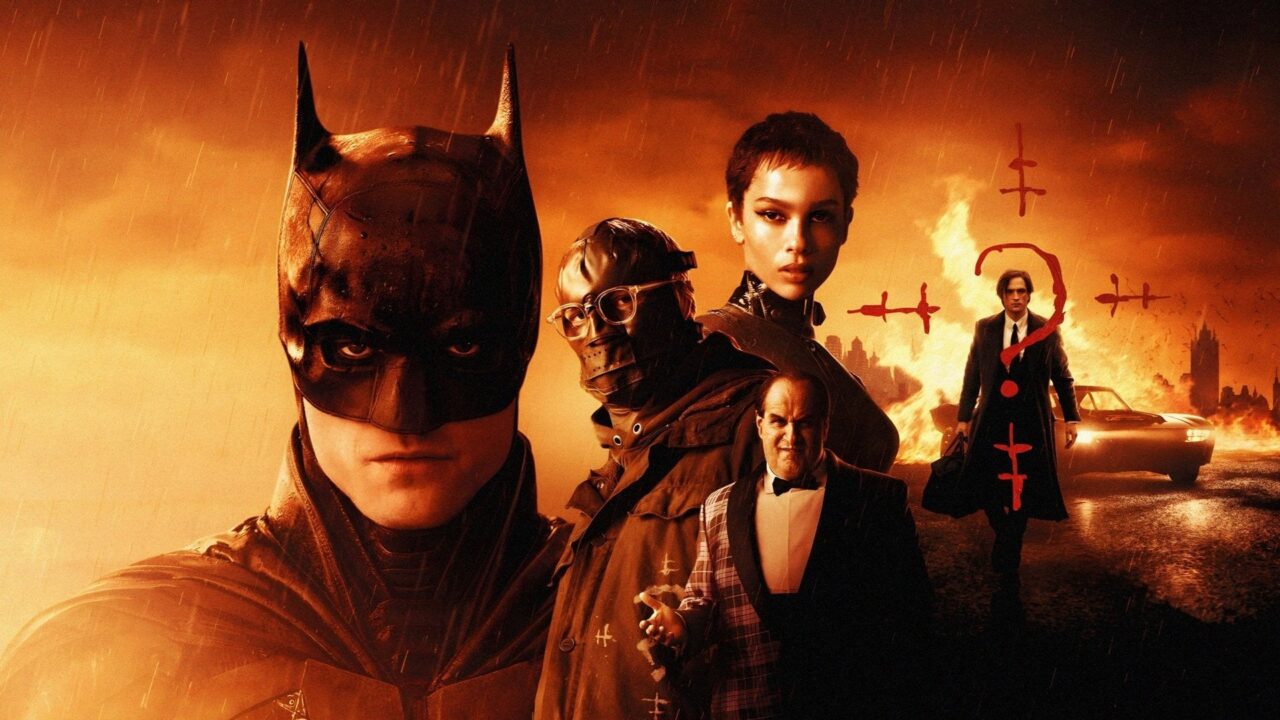
Warner Bros. and DC's highly anticipated sequel, originally slated for 2025, has been pushed back once more to a February 2028 premiere. The repeated postponement raises questions about the franchise's trajectory and its ripple effects across Hollywood's calendar.
मुख्य बिंदु (Key Takeaways)
- Batman Part II now slated for February 2028
- Original 2025 release date postponed multiple times
- Delay impacts upcoming DC Universe projects and industry scheduling
Warner Bros. (WB) and DC Comics announced a 2025 release for Batman Part II, but that timeline has been superseded by a new February 2028 launch date. The shift not only disappoints fans but also reshapes production pipelines and financial forecasts within the studio.
Background and Context
The first installment, released in 2023, delivered a box‑office triumph that heightened expectations for a sequel. Director Matt Reeves, celebrated for his gritty storytelling and visual flair, infused the franchise with fresh momentum. Yet, behind‑the‑scenes obstacles—script rewrites, star‑availability constraints, and alignment with Warner’s streaming strategy—have repeatedly forced schedule revisions.
Reasons Behind the Delay
Insiders reveal that post‑production visual effects (VFX) work encountered unforeseen technical bottlenecks, extending timelines significantly. Moreover, DC’s broader cinematic universe roadmap required a strategic overhaul, pushing the sequel further down the calendar. Combined, these factors have elongated the production cycle to an unprecedented length for a superhero sequel.
Industry Implications
Shifting Batman Part II to 2028 will reverberate across other DC projects, potentially displacing release windows for upcoming titles. Investors and shareholders may view the prolonged timeline as a risk factor, influencing future funding decisions. The delay also underscores the volatility inherent in high‑budget franchise filmmaking, where even marquee properties are not immune to logistical setbacks.
Looking Ahead
While uncertainty looms, industry analysts argue that a longer gestation period could yield a more polished final product, benefiting the long‑term health of the DC Universe. In the meantime, fans must temper enthusiasm with patience as the studio navigates these complex challenges.