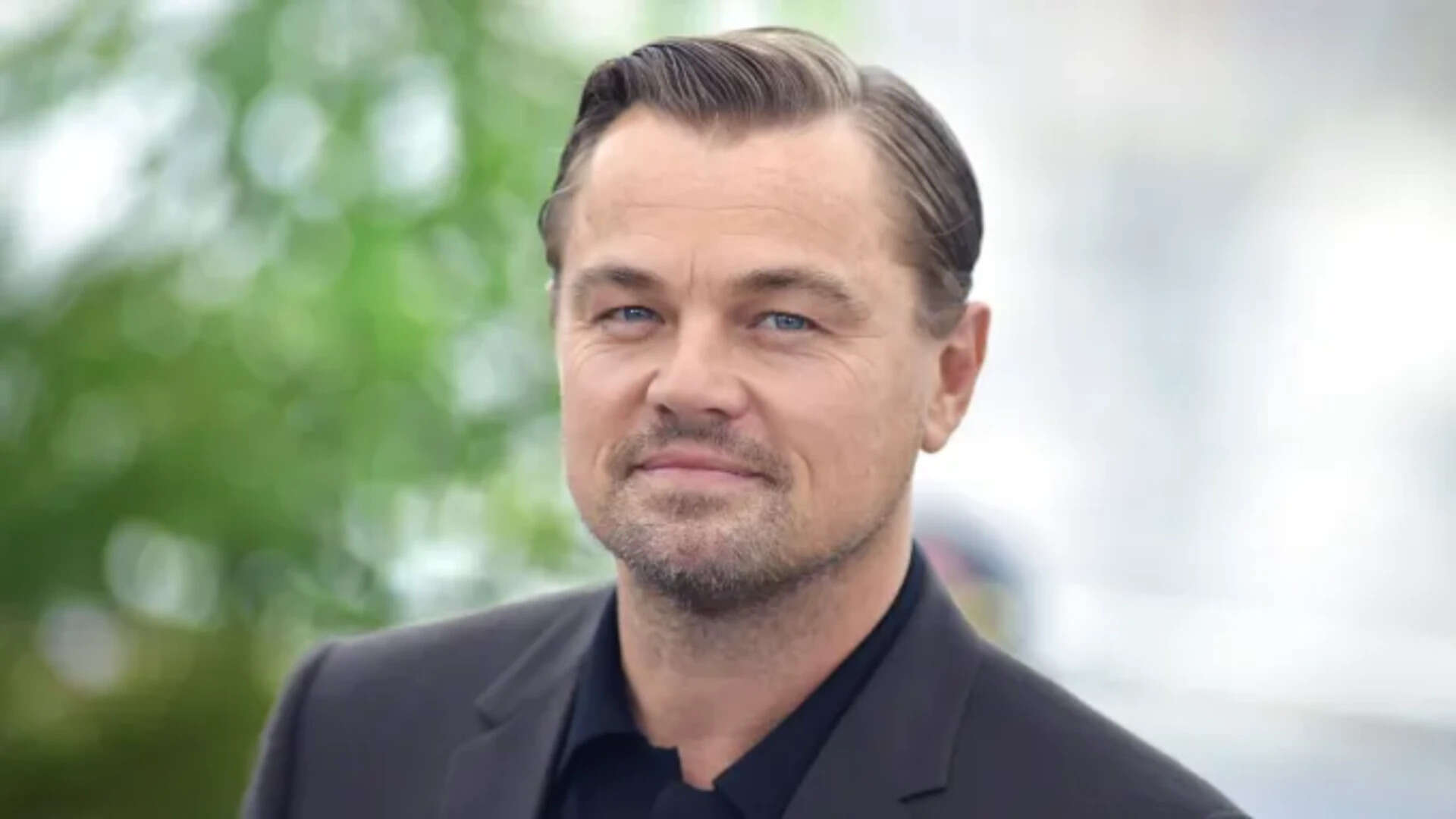
Oscar‑winning actor Leonardo DiCaprio stunned a French Riviera restaurant by leaving a €50,000 tip, far exceeding typical French gratuities. The gesture highlights his vast wealth, savvy real‑estate portfolio, and ongoing environmental philanthropy.
मुख्य बिंदु (Key Takeaways)
- DiCaprio tipped €50,000 to a waiter in Saint‑Tropez
- Typical French tips range between €2‑€5
- His real‑estate investments fund his charitable and environmental initiatives
In the glamorous enclave of Saint‑Tropez, a routine dinner turned into a defining moment for hospitality when Oscar‑winner Leonardo DiCaprio slipped a €50,000 (about $60,000) tip to his server. The amount dwarfed the average French gratuity—normally €2‑€5—and reportedly exceeded the total cost of the meal. French TV presenter Benjamin Castaldi recounted the incident on his morning show Casta réveille la France, sparking worldwide attention.
Generosity on the French Riviera
During a private gathering of fifteen guests, DiCaprio used a plain white bank card with no visible branding to leave the tip, a subtle indication of extreme wealth. The server, overwhelmed by the unexpected windfall, broke down in tears, a reaction captured by on‑lookers and later reported by French outlet Purepeople. This tip is now considered one of the largest ever documented in the service industry, rivaled only by a similar $52,000 gesture from Amazon founder Jeff Bezos.
Building a Hollywood Hills Fortress
The ability to dispense such sums stems from DiCaprio’s three‑decade Hollywood career and a meticulously curated property portfolio. Beginning in the 1990s, he bought his first home from Madonna for $2 million, later acquiring adjacent parcels to create a sprawling compound in the Hollywood Hills. In late 2022 he added a 1960s mid‑century mansion for $10.5 million, converting the estate into a private entertainment hub complete with an infinity pool, home theatre, hidden garage, and wine cellar.
Coastal Holdings and Eco‑Focused Projects
Following the massive success of “Titanic,” DiCaprio turned to coastal real‑estate. In 1998 he purchased a three‑bedroom oceanfront bungalow on Malibu’s Carbon Beach for $1.775 million, later selling it for $10 million in 2021. He expanded his Malibu presence with a $23 million acquisition in Paradise Cove (2017) and a $13.8 million modern home (2021). Each property incorporates sustainable features such as solar panels, water‑treatment systems, and advanced air filtration.
Philanthropy and Environmental Legacy
Beyond luxury, DiCaprio’s investments often align with his environmental advocacy. In 2005 he bought Blackadore Caye, a 104‑acre Belize island, planning an eco‑luxury resort with architect Jean‑Michel Gathy. Although construction delays have stalled the project, the intent underscores his commitment to sustainable development. In New York City, he has purchased high‑tech wellness apartments featuring green roofs and dog spas, reinforcing a lifestyle that blends opulence with ecological responsibility.
Implications for the Service Industry
This extraordinary tip not only showcases personal generosity but also sets a new benchmark for hospitality standards. While DiCaprio’s private jets and yachts dominate headlines, moments like these shift public perception, positioning him as a philanthropist who leverages wealth for tangible social impact. Such gestures may inspire other high‑net‑worth individuals to reassess the power of spontaneous generosity within their circles.