Taylor Swift has drawn sharp online criticism for choosing to keep her wedding dress private. Social media users labeled the move as performative, while many fans defended her right to privacy, sparking a heated debate.
Key Takeaways
- Taylor Swift kept her wedding dress images private, triggering a viral controversy.
- Her appearance at Travis Kelce's teammate's wedding added fuel to the discussion.
- Both critics and supporters flooded social platforms, highlighting the tension between celebrity privacy and public curiosity.
American pop icon Taylor Swift decided not to release any images of her wedding dress, a move that instantly ignited a firestorm across social media. Critics quickly branded the decision as "performative" and "attention‑seeking," while a sizable contingent of fans rallied to protect her personal boundaries.
Social Media Reactions
On Twitter, Instagram and numerous forums, users dissected Swift's privacy choice. One prominent cyber‑citizen declared, "This is a completely performative stunt, as if she's trying to pull fans back into her orbit." Conversely, many defended her autonomy, arguing that even high‑profile figures deserve control over intimate aspects of their lives.
Attendance at Travis Kelce’s Teammate’s Wedding
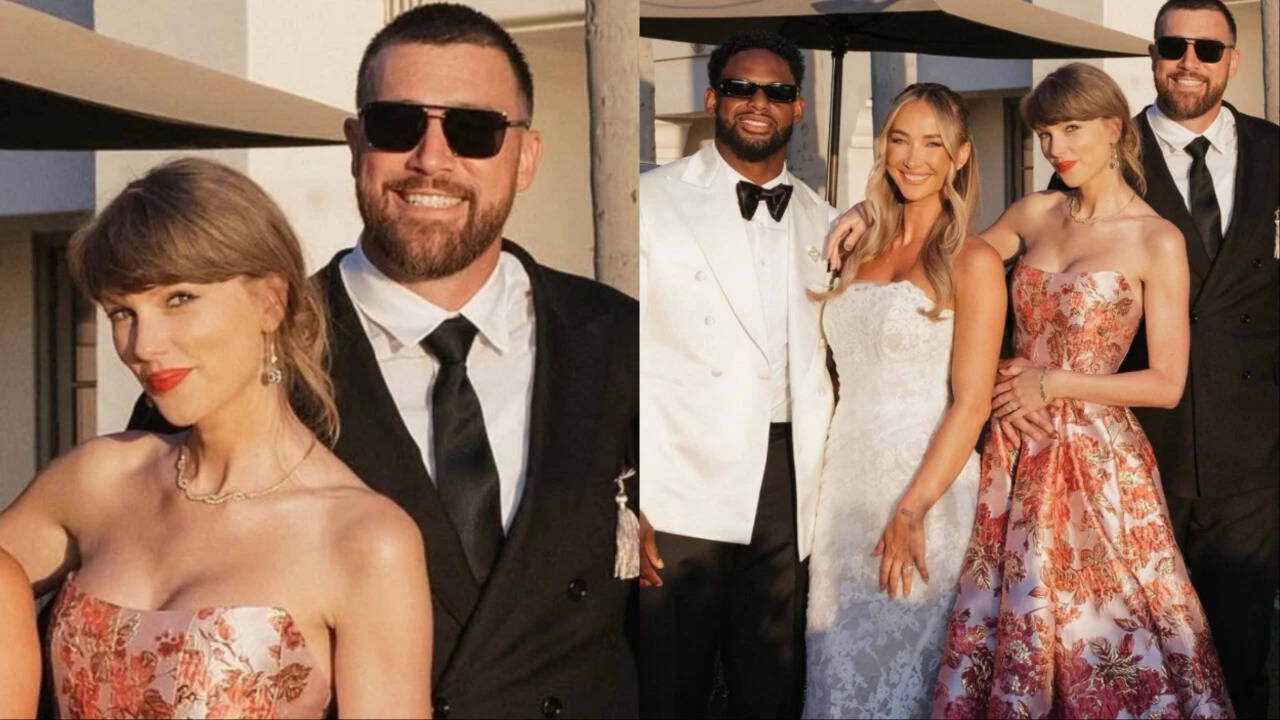
Swift’s presence at the wedding of a Travis Kelce teammate became another flashpoint. In a group photograph, observers noted that Swift’s gown eclipsed the bride’s dress, prompting comments like "she stole the spotlight." The episode underscores the delicate balance celebrities must strike between personal celebrations and the relentless gaze of the public.
Fan Defense and Engagement Dynamics
While criticism surged, a vocal fanbase countered, suggesting the backlash was engineered to boost online engagement. Such dynamics are common: controversy often translates into higher platform traffic and sustained conversation, benefitting both algorithms and media outlets.
Implications for Celebrity Privacy
Decisions about what to share—or not share—will continue to shape the media‑celebrity relationship. Swift’s stance highlights the challenges of asserting privacy in an era where every gesture is scrutinized. Future public figures may look to this case as a precedent for navigating personal boundaries amid relentless public interest.
Ultimately, the episode reflects how the digital age blurs the line between private life and public persona, and how any deviation from expected transparency can become a viral talking point.