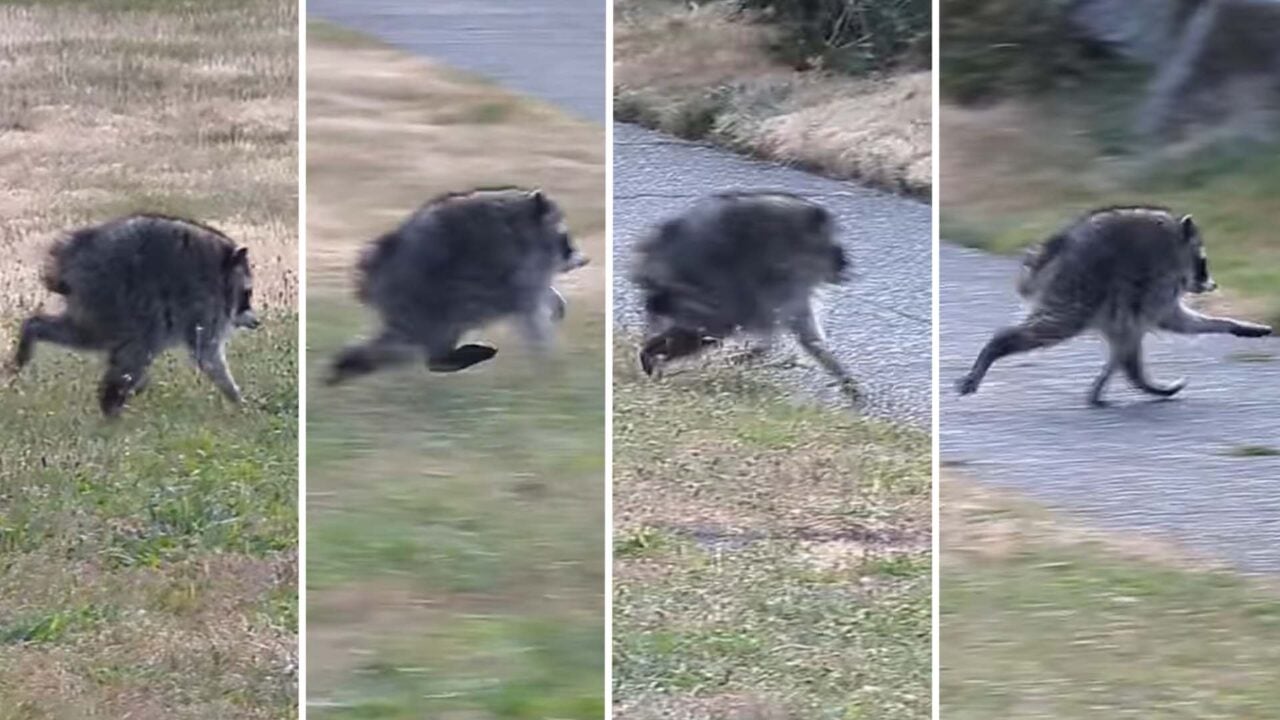
A mysterious “cryptid” spotted in Seattle turned out to be a plump raccoon named Jimothy. The creature’s cute, fluffy appearance quickly went viral, sparking both amusement and wildlife‑policy discussions. This story highlights how internet hype can blur the line between myth and reality.
Key Takeaways (मुख्य बिंदु)
- Jimothy is a very round raccoon, not an unknown creature.
- His viral fame has drawn attention from wildlife groups and the public.
- The incident has reignited conversations about urban wildlife regulations.
Residents of Seattle began sharing blurry photographs of a “new cryptid” that looked like a perfect, fluffy sphere. Within days, wildlife biologists identified the creature as a notably overweight raccoon, affectionately christened Jimothy. The animal’s plush fur and waddling gait turned him into an instant internet sensation, prompting memes, hashtags, and a flood of curiosity‑driven articles.
Historical Background
Raccoons (*Procyon lotor*) have long thrived across North America, adapting to both forested habitats and bustling cities. Since the 19th‑century European settlement, raccoons have infiltrated urban environments, scavenging from trash cans, gardens, and even rooftops. Historically labeled as “trash pandas” for their clever foraging, they have occasionally been mythologized—sometimes described as nocturnal tricksters in Native American folklore. Their ability to thrive in human‑dominated landscapes makes them perfect candidates for viral “cryptid” rumors when an unusual individual, like Jimothy, appears.
Jimothy’s story follows this pattern, but the reach of modern social media amplified his notoriety far beyond local neighborhoods. News outlets quickly picked up the tale, turning a simple wildlife sighting into a national conversation about urban animal management, public perception, and the fine line between humor and misinformation.
Why This Matters (इसके मायने क्या हैं)
According to BozokMedia analysis, incidents like Jimothy’s viral fame expose gaps in public understanding of urban wildlife. When a raccoon is portrayed as a “cryptid,” it can foster unnecessary fear or, conversely, encourage well‑meaning but harmful interactions, such as feeding or attempting to domesticate the animal. This underscores the need for robust education campaigns that clarify the ecological role of raccoons while discouraging risky human‑wildlife contact.
Furthermore, the buzz around Jimothy has prompted city officials to revisit existing wildlife ordinances. BozokMedia notes that without clear guidelines, cities risk repeated cycles of sensationalized wildlife stories that distract from genuine conservation challenges, including habitat loss, human‑wildlife conflict, and disease transmission.
"Raccoons are incredibly adaptable, but their exaggerated portrayals online often lead to misconceptions that can harm both the animal and the public," says Dr. Maya Patel, wildlife ecologist.
Frequently Asked Questions (अक्सर पूछे जाने वाले प्रश्न)
Should I feed Jimothy? No. Providing human food to wild raccoons can disrupt their natural diet, cause health problems, and increase dependency on humans.
Is it legal to capture Jimothy and keep him as a pet? In most U.S. states, capturing or keeping a wild raccoon without a special permit is illegal and violates wildlife protection statutes.