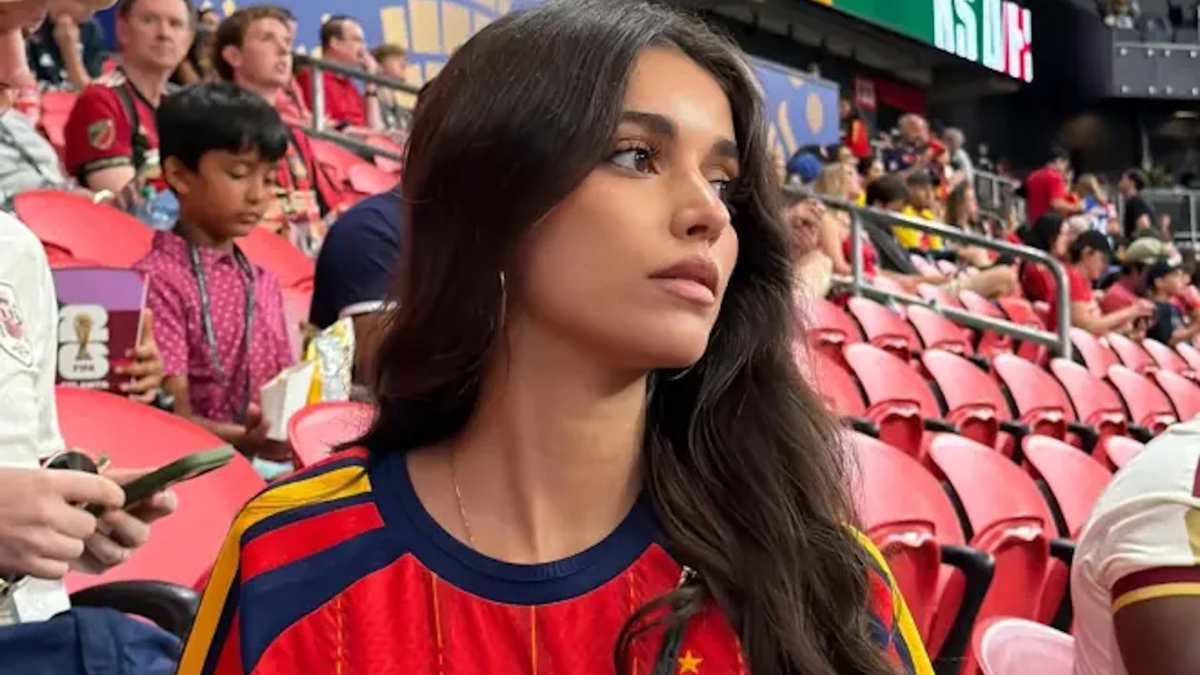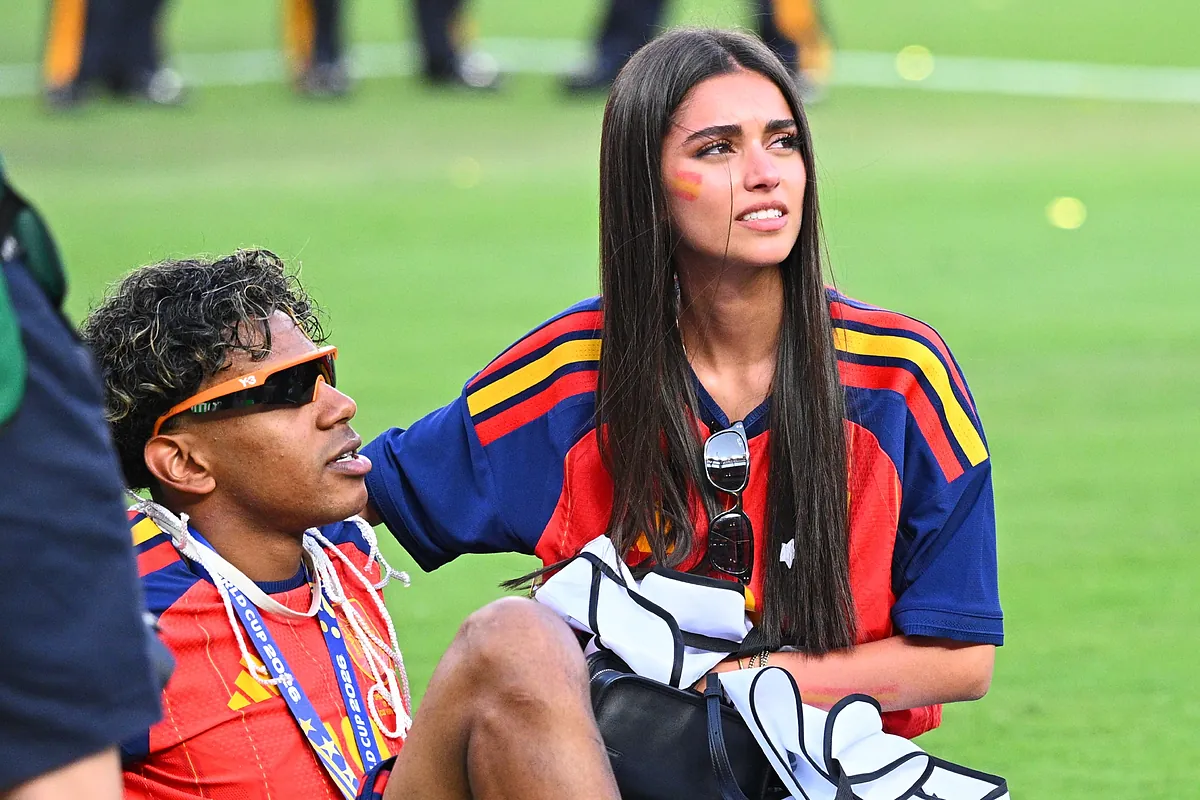
After Spain's World Cup win, influencer Inés García—now boasting 3 million Instagram followers—has been hit by fabricated relationship rumors and a counterfeit X (Twitter) account. The misinformation threatens both her personal brand and public image.
Key Takeaways (मुख्य बिंदु)
- Inés García reaches 3 million Instagram followers, sparking a wave of false rumors.
- A stranger created a fake X (Twitter) account using her name.
- Old videos resurfaced, fueling further attacks on her reputation.
During the 39‑day World Cup, Inés García (21) emerged as Spain’s most talked‑about WAG, frequently appearing alongside striker Lamine Yamal. On July 22, 2026, she crossed the 3 million‑follower milestone on Instagram, positioning her alongside heavyweights like Dulceida and María Pombo. Yet fame quickly turned sour as fabricated stories began circulating across social platforms.
The most viral claim suggested that García had ended a five‑year relationship with a friend after receiving an Instagram message from Yamal. García refuted the story, clarifying that the man in the shared photo was merely a colleague, not a boyfriend. “There’s no logic behind this narrative,” she said in May, emphasizing that the rumor lacked any factual basis.
Compounding the issue, two of her 2025 videos resurfaced. In a TikTok, García humorously linked footballers to the girlfriends they date—naming Marc Bartra, Lamine Yamal, and Cristiano Ronaldo based on their partners. Another clip showed her playing a “who‑would‑you‑choose” game, where she humorously selected “Bellingham” over Yamal and Mbappé, prompting a flood of mocking comments.
Amidst the social media uproar, an unknown user launched a fake X account, @_ineesgaarcia, posting a plaintive message that portrayed the impostor as a human feeling hurt by public scrutiny. The account quickly trended, intensifying the pressure on García’s personal life.
Historical Background
The term “WAG” (Wives and Girlfriends) entered Spanish media in the early 2000s, spotlighting footballers’ partners as lifestyle icons. With the rise of Instagram and TikTok, these partners transformed into full‑fledged influencers, attracting lucrative brand deals. However, their visibility also makes them prime targets for misinformation, as seen in García’s case.
Why This Matters
BozokMedia analysis shows that fabricated rumors can erode an influencer’s credibility, directly affecting advertising spend and partnership negotiations. For García, whose market value is tied to follower count and perceived authenticity, a single viral falsehood may prompt sponsors to reconsider or renegotiate contracts.
Beyond economics, the spread of misinformation impacts public trust. Young audiences often emulate influencers; when they encounter conflicting narratives, it can breed cynicism and undermine the perceived reliability of digital content. This underscores the need for robust verification mechanisms on social platforms.
“Fake accounts and rumor mills can instantly diminish an influencer’s trust capital; proactive monitoring and swift legal recourse are essential safeguards.” – Dr. Anita Sharma, Social Media Security Analyst
Frequently Asked Questions
Q1: Can the fake X account be removed?
A1: Yes. X’s policy allows users to report impersonation, and once verified, the platform can suspend or delete the fraudulent account.
Q2: How can Inés García protect her brand moving forward?
A2: Consistent verification messaging, rapid reporting of fake accounts, and legal counsel are key steps to mitigate reputational damage.