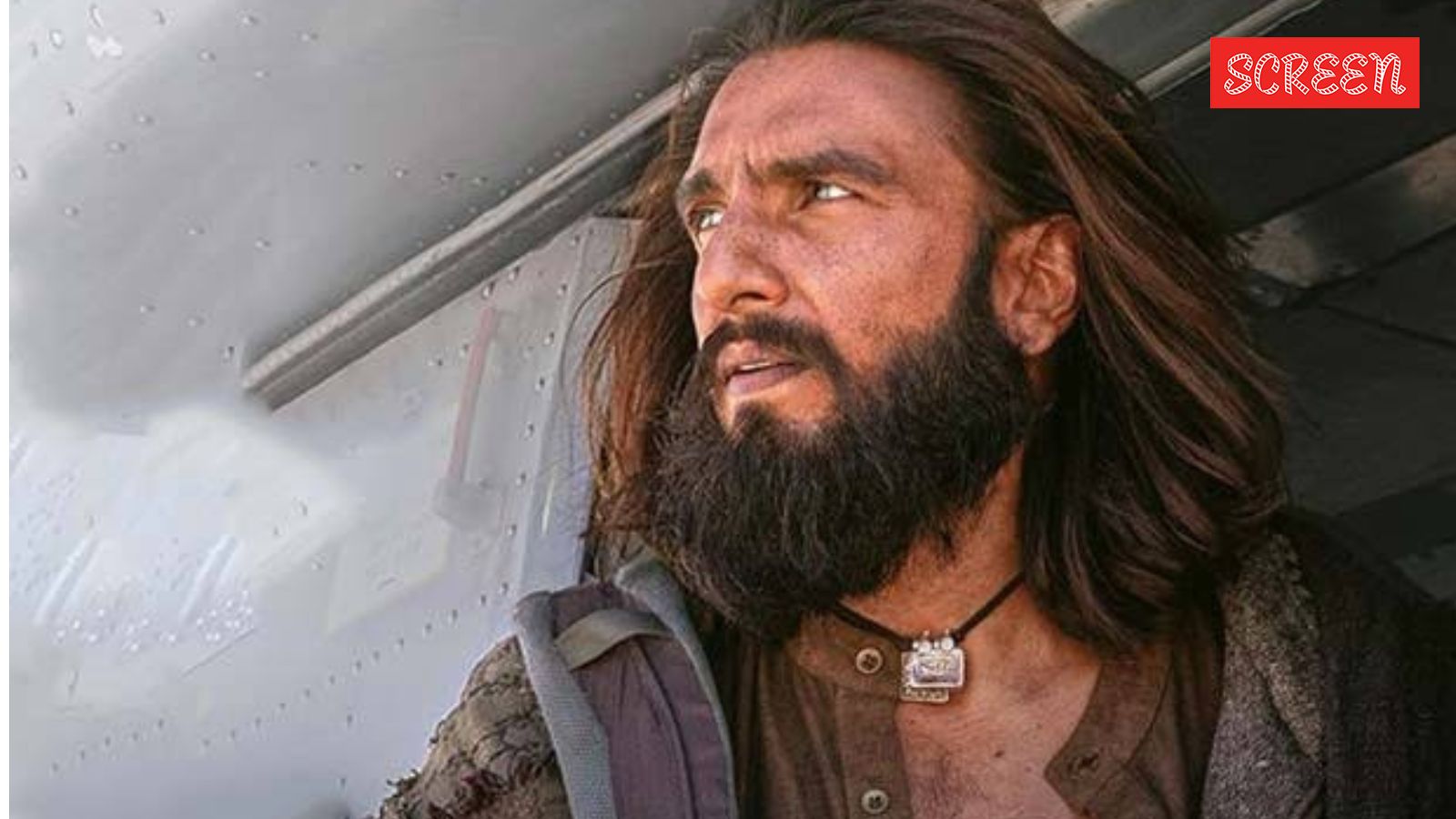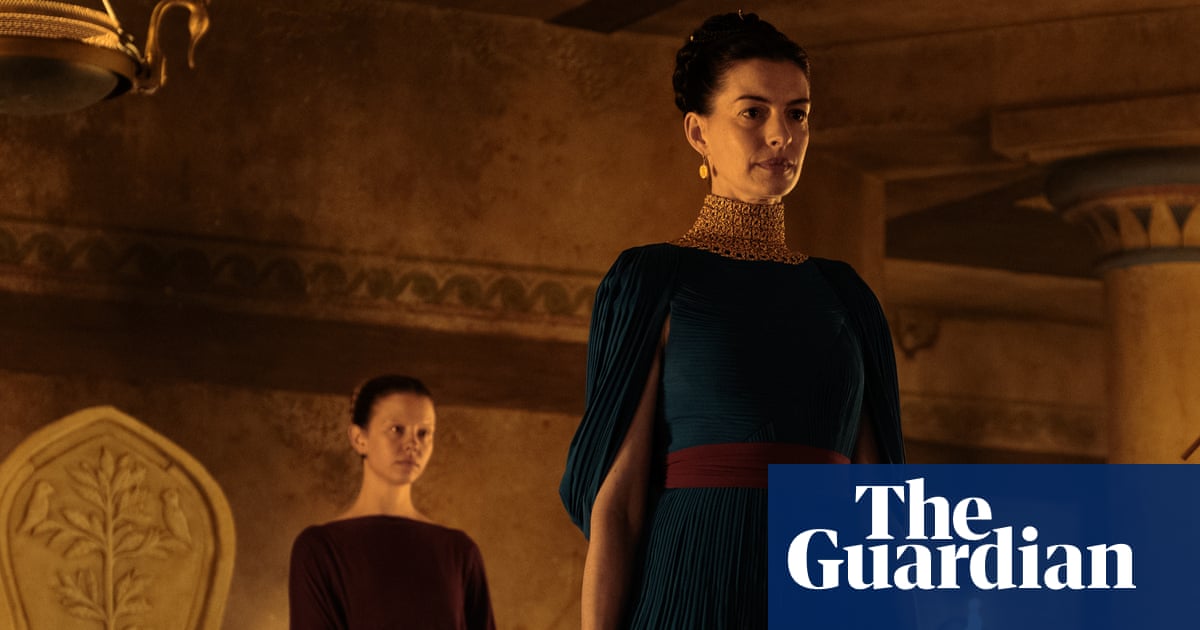
Renowned novelist Joyce Carol Oates has lashed out at classicist Emily Wilson, accusing her of using 'crude language' to criticize Christopher Nolan's latest epic, 'The Odyssey'.
Key Takeaways
- Joyce Carol Oates criticized Emily Wilson's rhetoric as being akin to 'MAGA folks'.
- Emily Wilson claimed Nolan's 'The Odyssey' lacks psychological and emotional depth.
- Nolan's film has grossed $683 million at the global box office.
- The conflict highlights a divide between cinematic grandeur and classical interpretation.
The literary and cinematic worlds are embroiled in a heated debate following sharp remarks by novelist Joyce Carol Oates. Oates stepped in to defend filmmaker Christopher Nolan against a scathing critique by classicist Emily Wilson regarding Nolan's epic adaptation, 'The Odyssey'.
The friction began with Wilson's essay in the London Review of Books, where she asserted that the film lacked "psychological, emotional, political and ethical depth." Wilson described the production as a combination of "grandiosity and superficiality," focusing more on "big bangs and big giants" than on character motivation.
Why This Matters
BozokMedia analysis shows that this clash transcends mere film criticism; it touches upon the complex relationship between creators and the academics who interpret their source material. While Nolan cited Wilson's translation as a reference point, Wilson's dismissal of his cinematic vision creates a significant intellectual rift.
"One would expect a translator... to be just a wee bit more thoughtful and respectful of others who are acting in good faith," Oates remarked.
Oates went further, comparing Wilson's argumentative style to the "crude language of Maga folks," suggesting that Wilson was attacking ideas that simply differed from her own. Interestingly, Oates herself had previously expressed a preference for the 1997 Hallmark version of the epic, finding it more "fully human" than Nolan's blockbuster.
Comparison: Nolan vs. 1997 Adaptation
| Feature | Nolan's 'The Odyssey' | 1997 Hallmark Version |
|---|---|---|
| Visual Style | Grand/Spectacle-driven | Intimate/Character-driven |
| Character Depth | Critically debated as 'one-dimensional' | Praised as 'manly and human' |
| Global Impact | $683 Million Box Office | Cult Classic Status |
Frequently Asked Questions
1. Why did Joyce Carol Oates defend Christopher Nolan?
Oates believes Wilson's critique was disrespectful, especially considering how Nolan's film helped boost the visibility and sales of Wilson's own translations.
2. What was Emily Wilson's main complaint about the film?
Wilson argued that the film's writing was 'abysmal' and that the characters lacked convincing motivations.