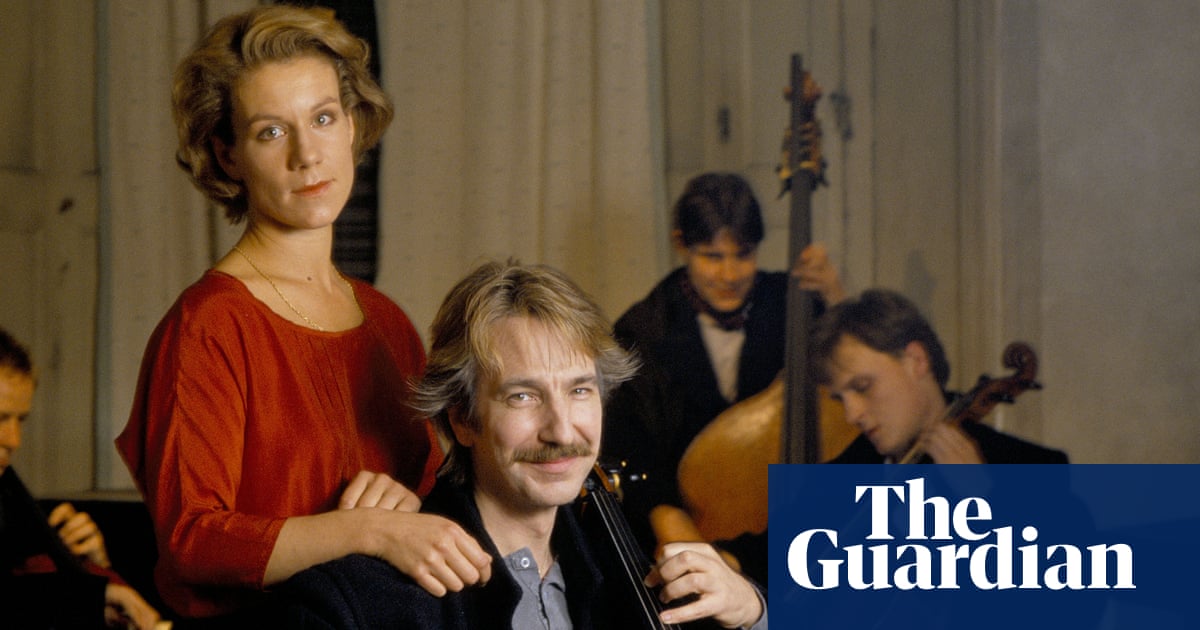
From Audrey Hepburn to Pedro Pascal, the cello has become cinema's shorthand for deep emotion and intellectual intensity. Discover why this instrument dominates the silver screen.
Key Takeaways
- The cello's frequency most closely mimics the human vocal range, allowing for wordless emotional storytelling.
- In cinema, the instrument serves as a character trope for cultured, intense, or haunted personalities.
- Its physical and visual dynamics make it a highly expressive tool for filmmakers.
In the grand theater of Hollywood, certain sounds act as emotional cues. When a character experiences profound loss or intellectual awakening, the soundtrack often pivots to the deep, resonant tones of the cello. Even in a high-octane superhero film like The Avengers, a brief mention of a cellist is used to inject a sudden moment of pathos into the action.
The Human Connection
Why the cello and not the violin or the flute? Real-life cellist and Oscar-winning composer Hildur Guðnadóttir explains that the instrument possesses a unique 'fluidity of intonation.' Unlike the definitive strike of a piano key, the cello allows a musician to manipulate notes in a way that mirrors human speech. It doesn't just play notes; it breathes, sighs, and cries.
A Cinematic Legacy
This cinematic romance began decades ago. Audrey Hepburn brought the instrument to the forefront in Love in the Afternoon, establishing a pattern where the cello signifies a character who is sophisticated, romantic, or perhaps deeply troubled. From the tragic biopic Hilary and Jackie to the psychological intensity of Tár, the cello is often the beating heart of the narrative.
BozokMedia Analysis: Visual and Emotional Synergy
BozokMedia analysis shows that the cello’s dominance is not just auditory but also visual. Unlike many instruments, playing the cello is a highly physical act. The sweeping bow strokes, the intense focus of the performer, and the sheer size of the instrument create a compelling visual metaphor for struggle and passion. It is an instrument that demands presence, making it a perfect partner for prestige cinema.
The cello comes closest to the human vocal range, allowing it to deliver dialogue without a single word being spoken.
Furthermore, the instrument has a darker, more 'gothic' side. As seen in films like Joker or the horror film The Perfection, the cello can be used to create a sense of unease, sensuality, or even dread. Its ability to transition from beautiful to 'ugly' or unsettling makes it a versatile tool for directors across all genres.
Frequently Asked Questions
1. Why is the cello considered more emotional than other instruments?
Its pitch and ability to slide between notes closely resemble the nuances of the human voice.
2. Can actors fake playing the cello?
It is notoriously difficult to bluff; the physical movements required are very specific and hard to mimic without real training.
