The costume designers of 'Ramayana: Part 1' have addressed the backlash regarding the modern styling of Sita and Kaikeyi, urging fans to watch the film before judging.
Key Takeaways
- Designers Rimple and Harpreet Narula defended the stylistic choices for Sita and Kaikeyi.
- The looks are inspired by cultural memory and classical Indian art rather than archaeological finds.
- The film features a star-studded cast including Ranbir Kapoor and Sai Pallavi.
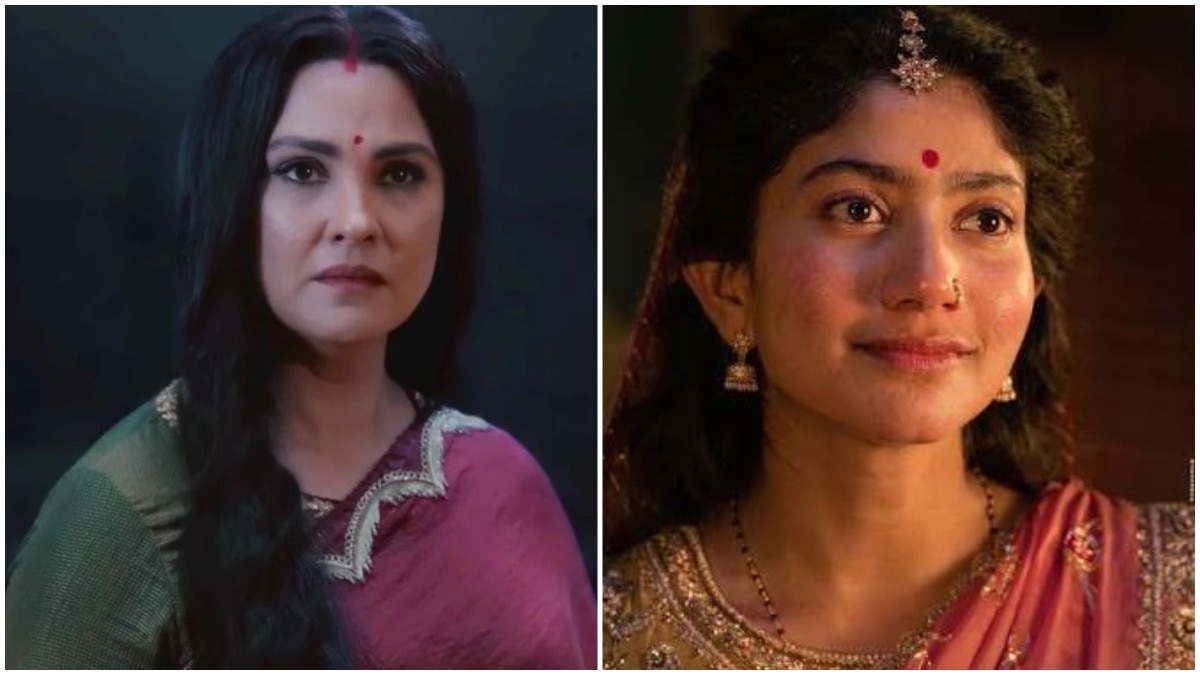
The costume designers of the upcoming epic Ramayana: Part 1 have broken their silence following intense social media scrutiny over the styling of key characters. Critics have specifically targeted Sai Pallavi's blouse designs as Sita and Lara Dutta's portrayal of Queen Kaikeyi, with some comparing the latter to television serial aesthetics.
Artistic Interpretation vs. Historical Accuracy
Renowned designers Rimple and Harpreet Narula, known for their work on Padmaavat, explained that designing for the Treta Yuga presents a unique challenge because no preserved garments from that era exist. "Research is the foundation of costume design, but interpretation is what makes it art," Rimple stated, noting that their work draws inspiration from temple imagery and Raja Ravi Varma's iconic paintings.
Regarding Sai Pallavi's look, Rimple emphasized that her version of Sita was a deliberate emotional choice. "I wanted my Goddess, the one sitting in my mandir, to look like the image that has lived in my consciousness," she explained, moving away from pure archaeological authenticity to capture spiritual essence.
Why This Matters
BozokMedia analysis shows that in high-budget mythological adaptations, the tension between 'historical realism' and 'visual storytelling' often becomes a flashpoint for audience debate. This controversy highlights the high stakes involved when reimagining sacred epics for a modern cinematic audience.
Every thread in these costumes is designed to bridge the gap between ancient epic and modern visual language.
The Symbolism of Kaikeyi
The designers also addressed the color palette used for Lara Dutta's Kaikeyi. Harpreet revealed that the colors are deeply symbolic: green represents her motherhood, while the deep maroon reflects the emotional darkness and strength behind her pivotal decisions in the epic.
Frequently Asked Questions
Question 1: When is Ramayana: Part 1 releasing?
Answer: The film is scheduled for a grand release during Diwali 2026.
Question 2: Who is directing the film?
Answer: The film is directed by Nitesh Tiwari and produced by Namit Malhotra.