Costume designers of the upcoming epic 'Ramayana' have broken their silence following intense backlash regarding the modern styling of Sai Pallavi and Lara Dutta. They claim the looks were intentional and emotionally driven.
Key Takeaways
- Fans have criticized Sai Pallavi (Sita) and Lara Dutta (Kaikeyi) for their modern costume choices.
- Designers Rimpel and Harpreet Narula have defended the creative decisions.
- The styling aims to reflect emotional depth rather than strict archaeological accuracy.
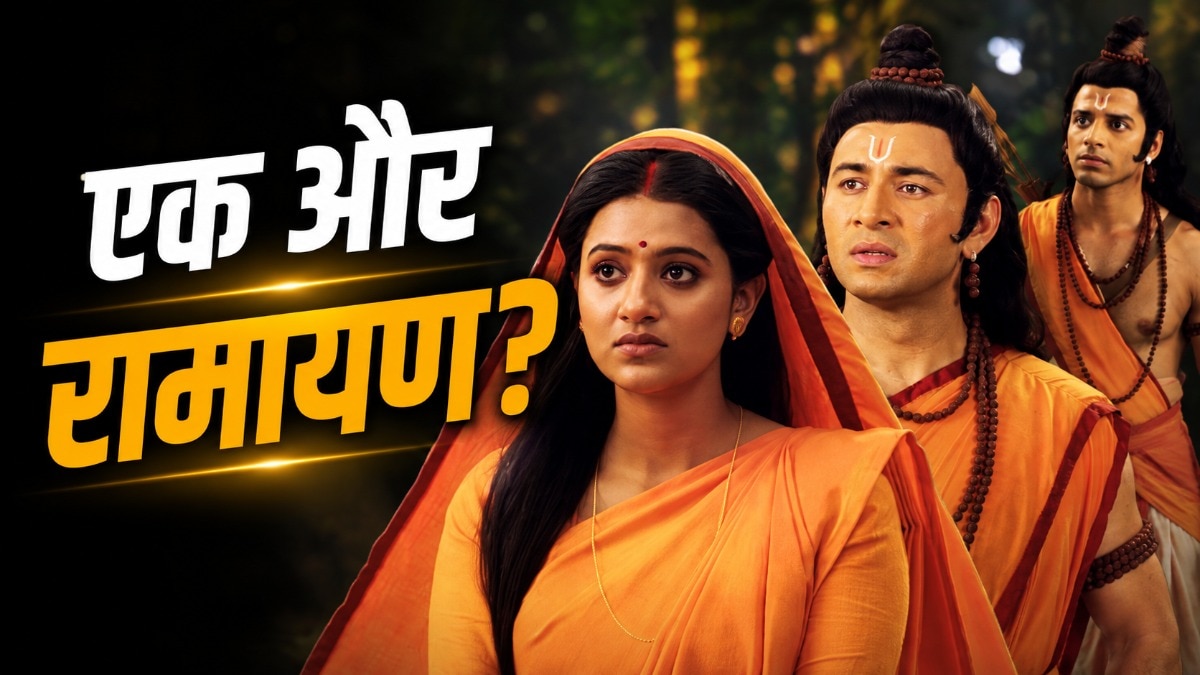
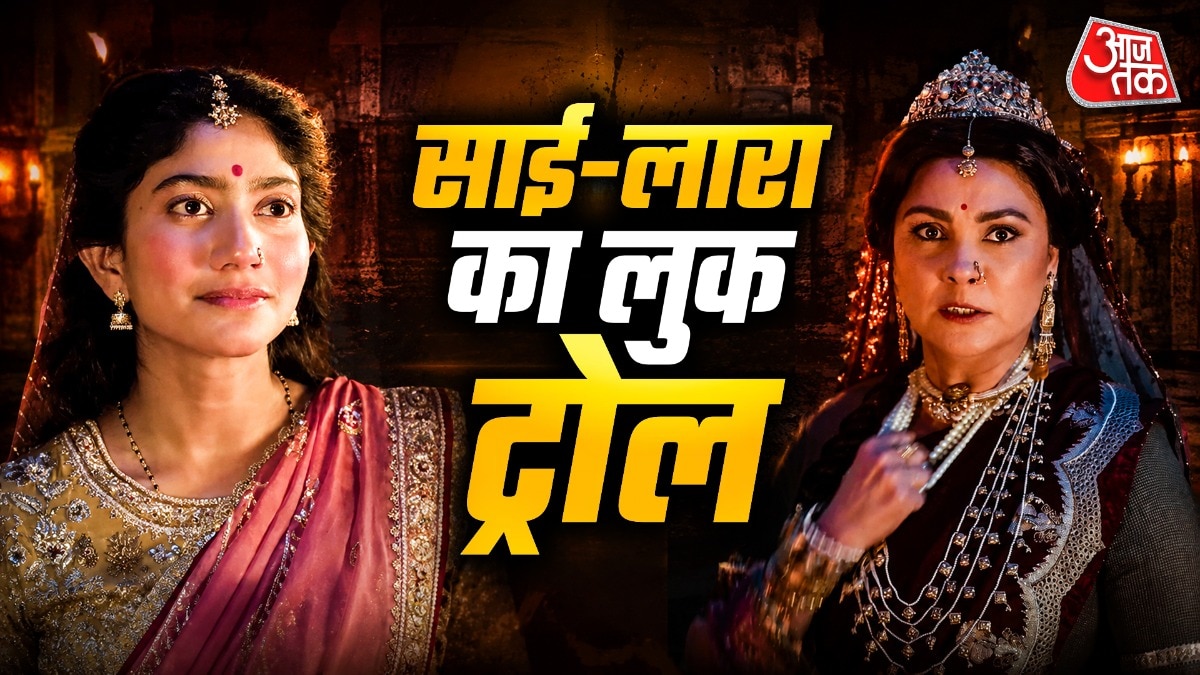
The upcoming epic film 'Ramayana', starring Ranbir Kapoor, is currently at the center of a massive social media storm. While the visuals have intrigued many, a significant portion of the audience has expressed disappointment over the styling and costumes of Sai Pallavi (portraying Sita) and Lara Dutta (portraying Kaikeyi).
Critics on various platforms have argued that the attire—particularly the fashionable sarees and modern blouse designs—does not align with the Treta Yuga era. The debate has intensified around Lara Dutta's portrayal of Kaikeyi, where her maroon saree and straight hair have been labeled as 'too contemporary' for an ancient epic.
Why This Matters
BozokMedia analysis shows that for high-stakes mythological adaptations, the tension between 'visual impact' and 'historical authenticity' is inevitable. When a story is deeply ingrained in the collective consciousness, any deviation from traditional imagery triggers immediate scrutiny from the audience.
'I wanted to portray Sita as she resides in our hearts and temples since childhood, rather than focusing solely on archaeological facts.' - Rimpel (Costume Designer)
Responding to the backlash, costume designer Rimpel stated that the team was prepared for diverse opinions. She emphasized that Sita's look was crafted to evoke emotion. Similarly, designer Harpreet Narula explained that the color palette for Kaikeyi—maroon for emotional struggle and green for motherhood—was a deliberate psychological choice to show her internal conflict.
Historical Context
Mythological storytelling in India has always undergone transformations, from ancient oral traditions to grand televised epics. Each era brings a new visual language, often sparking debate between traditionalists and modern filmmakers.
Frequently Asked Questions
1. What is the core of the controversy?
The controversy stems from the perceived modern and fashionable styling of the lead actresses, which some viewers feel contradicts the ancient setting of the Ramayana.
2. When is the movie releasing?
The film is scheduled to hit theaters this Diwali.