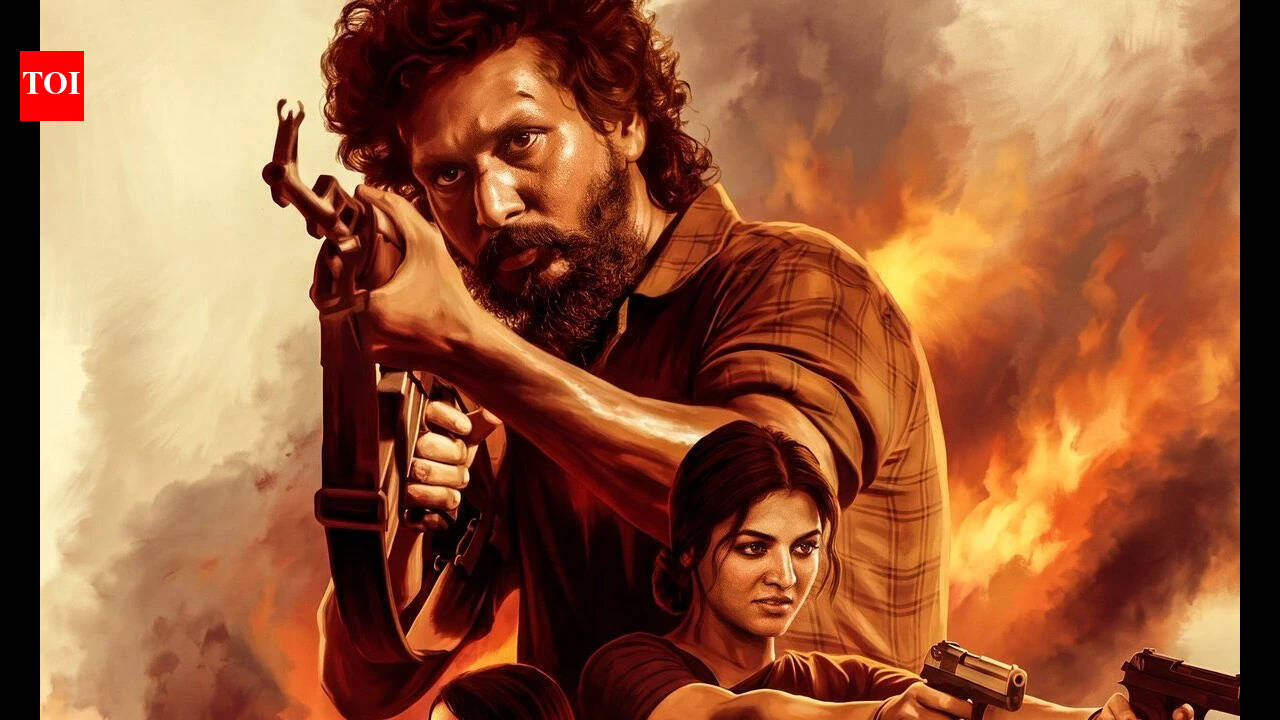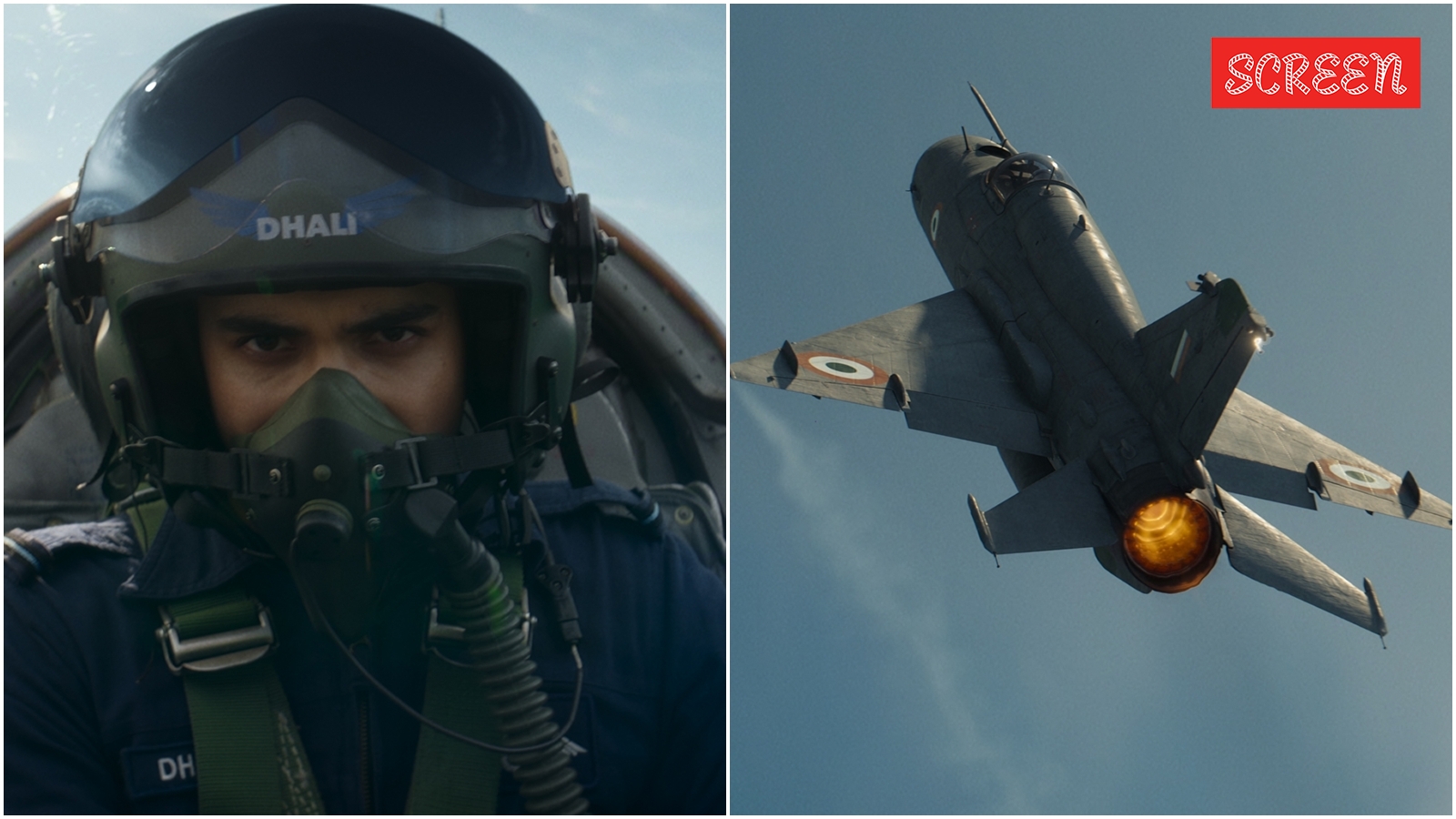
Netflix’s biggest Indian series to date, ‘Operation Safed Sagar’, generated an estimated Rs 215 crore ($24 million) for the Indian economy, with Rs 49 crore ($5 million) earmarked for VFX alone. The production engaged over 800 local vendors and hired 4,000 daily workers across 11 cities.
Key Takeaways
- Total economic impact: ₹215 crore
- VFX spend: ₹49 crore
- 800+ local vendors, 4,000 daily hires
Netflix’s most ambitious Indian project to date, *Operation Safed Sagar*, has injected roughly ₹215 crore (≈ $24 million) into the Indian economy. The high‑altitude war drama, chronicling the IAF’s role in the 1999 Kargil conflict, was shot over 115 days across 11 cities, employing over 800 local businesses.
Production Scale
The series was filmed at operational Indian Air Force bases and at locations in Himachal Pradesh reaching nearly 16,800 feet. It hired 200 local cast and crew members and added 4,000 daily hires, while 15 India‑based VFX studios contributed 1,200 artists to create 50 minutes of aerial sequences, accounting for ₹49 crore of the budget – about 20 % of total production costs.
Why This Matters
BozokMedia analysis shows that such large‑scale foreign productions act as catalysts for skill transfer, infrastructure upgrades, and sustained economic activity in regional hubs. The ripple effect extends beyond immediate spending, fostering a robust ecosystem for future Indian‑led high‑budget projects.
"This project not only tells a historic story but also propels Indian film‑tech capabilities to global standards," said industry analyst Rajat Singh.
Historical Background
Operation Safed Sagar refers to the Indian Air Force’s real‑life mission during the Kargil War, where the Golden Arrows Squadron played a pivotal role. Until now, this episode of military history had not been dramatized on a large scale, making the series culturally significant.
Frequently Asked Questions
Q1: Were local actors given major roles in the series?
A: Yes, 200 local actors were cast in principal and supporting roles, providing a platform for homegrown talent.
Q2: How much was spent specifically on VFX?
A: Approximately ₹49 crore, representing 20 % of the overall production budget.