While Farhan Akhtar's 'Dil Chahta Hai' revolutionized Bollywood's visual grammar, it left a significant gap in character development for its women. An in-depth look at why the female leads remained economically invisible.
Key Takeaways
- 'Dil Chahta Hai' changed cinematic language but ignored professional agency for women.
- Male leads have defined careers, while female leads lack any identifiable occupation.
- The film portrays women primarily as emotional anchors or love interests rather than independent individuals.
Farhan Akhtar's 2001 masterpiece, 'Dil Chahta Hai', is widely regarded as a cultural phenomenon that redefined the Hindi film aesthetic. It broke away from the loud, melodramatic tropes of the 90s, introducing a fresh, naturalistic approach to friendship and urban life. However, upon closer inspection through a modern lens, a glaring disparity emerges: the professional invisibility of its female characters.
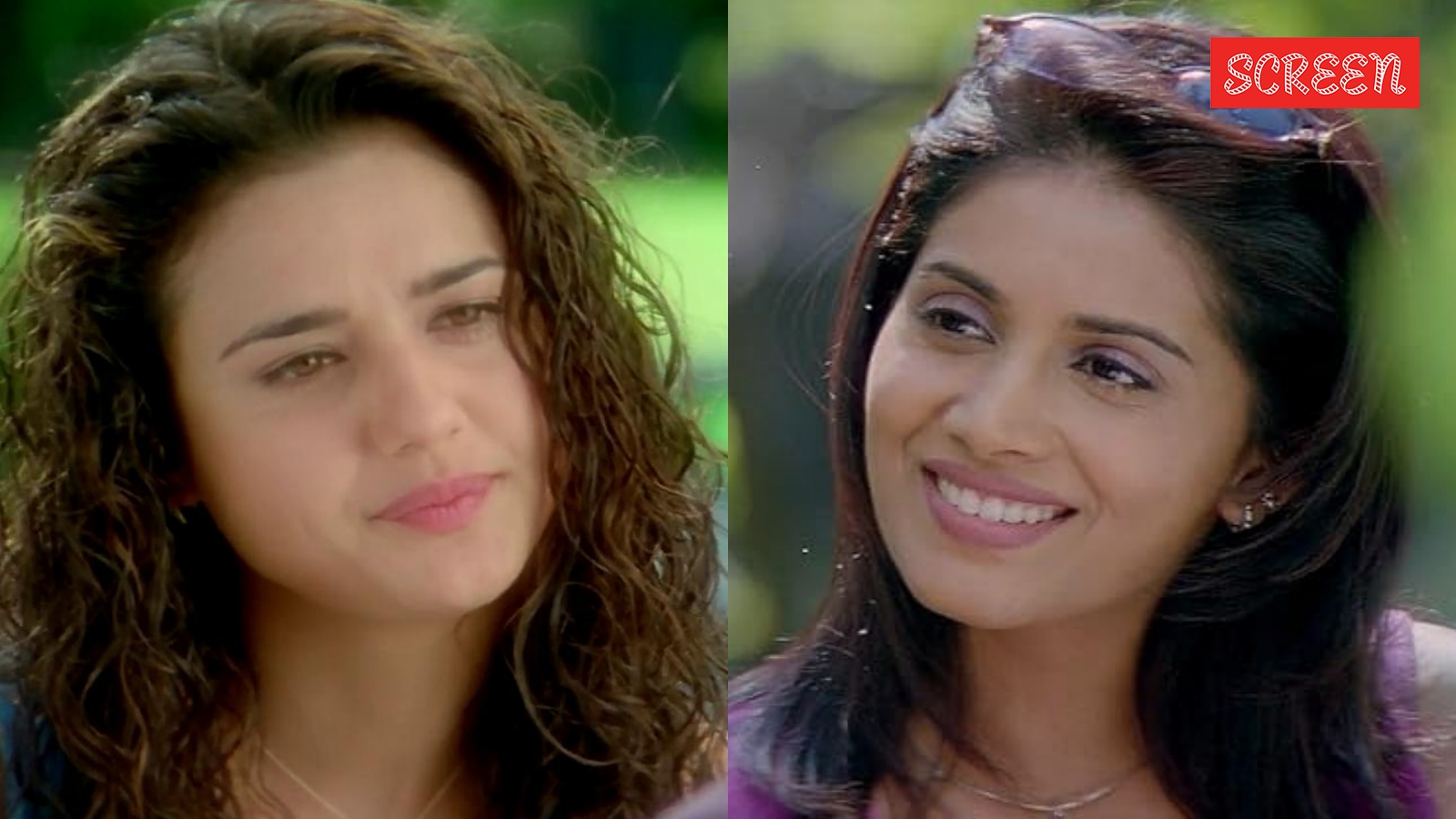
The film meticulously tracks the growth of its male trio. Aakash (Aamir Khan) joins his father's business, Sid (Akshaye Khanna) pursues his passion as an artist, and Sameer (Saif Ali Khan) is shown settling into a professional life. Conversely, the women—Shalini (Preity Zinta) and Pooja (Sonali Kulkarni)—are depicted without any professional ambitions or even basic employment.
Why This Matters
BozokMedia analysis shows that while the film was 'progressive' in its portrayal of male friendship, it remained regressive in its depiction of female autonomy. Shalini, for instance, lives a comfortable life in Mumbai and Australia, yet her financial source is never addressed, leaving her existence tethered to the emotional and financial support of Rohit's family. This limits her character to being a mere appendage to the male narrative.
'Dil Chahta Hai' mastered the art of modern friendship but failed to grant its women the same modern independence.
While Tara (Dimple Kapadia) is presented as a sophisticated, working professional, she remains an outlier. For the majority of the ensemble, the women serve no purpose other than to facilitate the emotional journeys of the men, lacking the 'wholesome' character depth afforded to their male counterparts.
Historical Background
In the early 2000s, Bollywood was transitioning from traditional family dramas to urban stories. While 'Dil Chahta Hai' pushed the boundaries of visual storytelling and sound design, the socio-economic roles of women in scripts had not yet caught up with the changing face of Indian urbanity.
Frequently Asked Questions
Question 1: Does any female character have a job in the film?
Yes, Tara, played by Dimple Kapadia, is portrayed as a woman with a career and a life outside the main trio.
Question 2: Why is the lack of female careers being criticized now?
Modern audiences value agency and independence; seeing women without professions makes them feel like secondary characters rather than protagonists of their own lives.