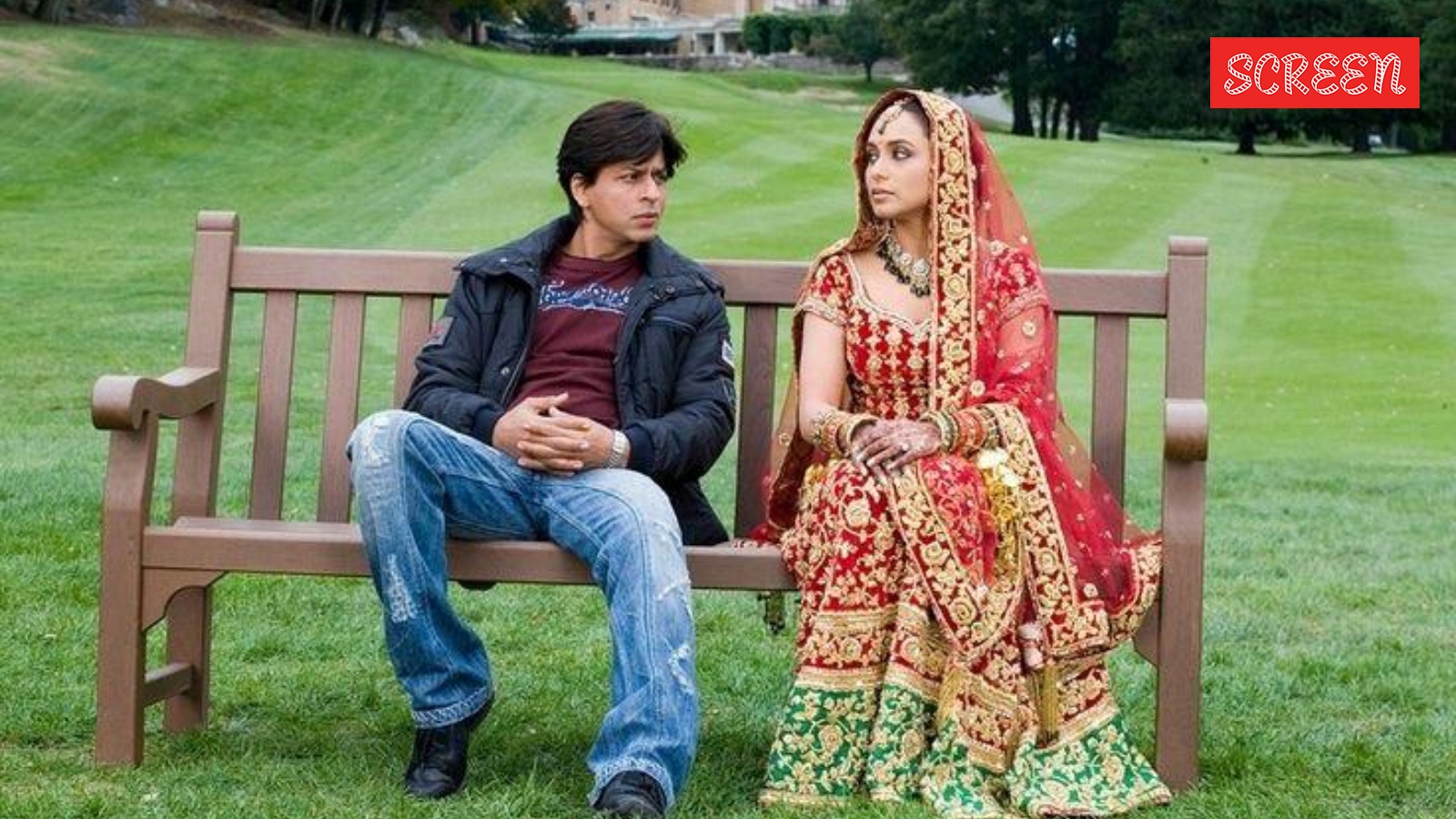
Karan Johar’s 2006 film ‘Kabhi Alvida Naa Kehna’ was initially condemned for glorifying extramarital affairs, but today it is recognized as an honest look at two marriages that had already collapsed. The story shows that love was missing from the start, making the affair merely a symptom, not the cause.
Key Takeaways
- The film highlights already failed marriages
- An affair is a symptom, not the root cause
- Daily choices shape the health of a partnership
Released on August 11, 2006, Karan Johar’s ‘Kabhi Alvida Naa Kehna’ paired Shah Rukh Khan and Rani Mukerji as two discontented spouses. Critics immediately accused it of glamorising infidelity, yet the core narrative was far more nuanced.
From the outset, the protagonists – Dev (Shah Rukh) and Maya (Rani) – are shown as friends rather than lovers. Dev describes Riya (Preity Zinta) as his best friend, while Maya never fell in love with her husband Rishi (Abhishek Bachchan). This explicit lack of love sets the stage for the eventual breakdown.
When their marriages quietly disintegrate, the affair that follows appears only as a symptom of deeper marital decay. Dev’s cruelty and Maya’s silent drowning illustrate that the relationships were already over before any betrayal occurred.
Historical Background
In early‑2000s Bollywood, extramarital affairs were often romanticised as daring rebellions. ‘Kabhi Alvida Naa Kehna’ challenged this trope by portraying infidelity as a consequence of already‑failed unions, prompting audiences to reconsider the true health of marriages.
Why This Matters
BozokMedia analysis shows that the film’s nuanced portrayal of marital decay resonates with today’s audience, who are increasingly aware that love alone cannot sustain a partnership without continuous effort and daily choices.
Cinema frequently mirrors society’s deeper relationship challenges.
Frequently Asked Questions
- Does the film advocate staying in unhappy marriages? No, it underscores that without genuine love, a marriage is already broken, and daily choices become increasingly burdensome.
- Is the message still relevant today? Absolutely; modern couples face similar dilemmas, making the film’s insights about commitment and choice as pertinent as ever.