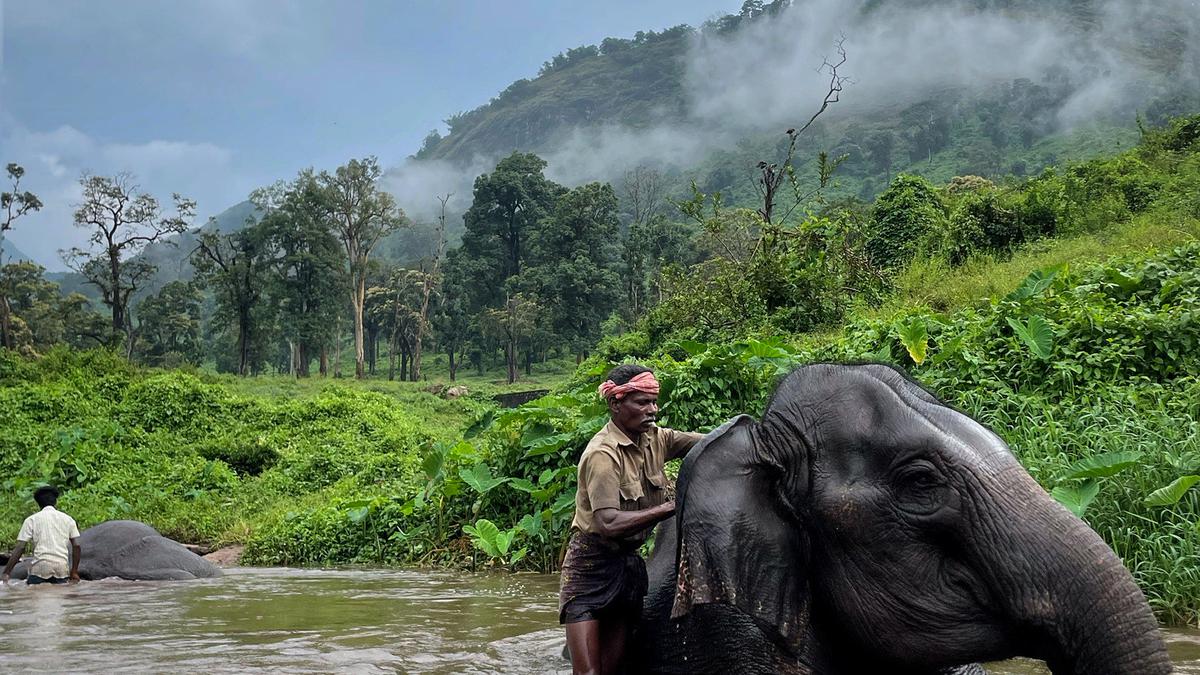
Following an Oscar nomination, films from the Western Ghats spotlight tribal heroes and their extraordinary elephant‑saving efforts. These documentaries reveal deep bonds and offer solutions to escalating human‑elephant conflicts.
Key Takeaways
- ‘The Elephant Whisperers’ earns an Oscar nod, highlighting unsung tribal heroes of the Western Ghats.
- Traditional knowledge of the Malasar and Irula tribes is vital for elephant rescue and care.
- Government and international partners are scaling up training programs for mahouts.
Films Bring New Light
Cartiki Gonsalves’s documentary The Elephant Whisperers has been nominated in the Documentary Short Film category at the 95th Academy Awards. Shot at Tamil Nadu’s Theppakadu Elephant Camp in Mudumalai Tiger Reserve, the film follows the bond between a couple, Bomman and Bellie, and their orphaned elephant Raghu, while flagging rising man‑elephant conflicts in the Western Ghats corridors.
Malasar: Six Minutes, A Big Story
The six‑minute YouTube short Malasar, narrated by actor Nasser, showcases the sacred relationship between elephants and the Malasar tribe of the Anamalai Hills. It gives voice to 51‑year‑old Mani, caretaker of 53‑year‑old elephant Kaleem, who calls the animal his elder brother and speaks of ancestral paths forged together.
Historical Background
Elephant camps like Theppakadu and Kozhikamuthy have existed for over a century, run primarily by tribal communities—Malasars and Irulas—who blend generations‑old wisdom with modern conservation science. This hybrid knowledge remains a cornerstone of India’s wildlife management strategy.
Why This Matters
BozokMedia analysis shows that showcasing these indigenous heroes not only boosts tourism but also creates policy pressure for stronger wildlife protection laws across India.
“The synergy of tribal wisdom and contemporary science is the key to co‑existence with elephants,” says Dr. Anshu Verma, wildlife expert.
Frequently Asked Questions
Q1: Do these films actually drive change in elephant conservation?
A: Yes, they raise public awareness and inspire both governmental and private initiatives.
Q2: What’s the future of mahout training programs?
A: Expansion is underway through more international collaborations and integration of traditional knowledge.


.jpg)