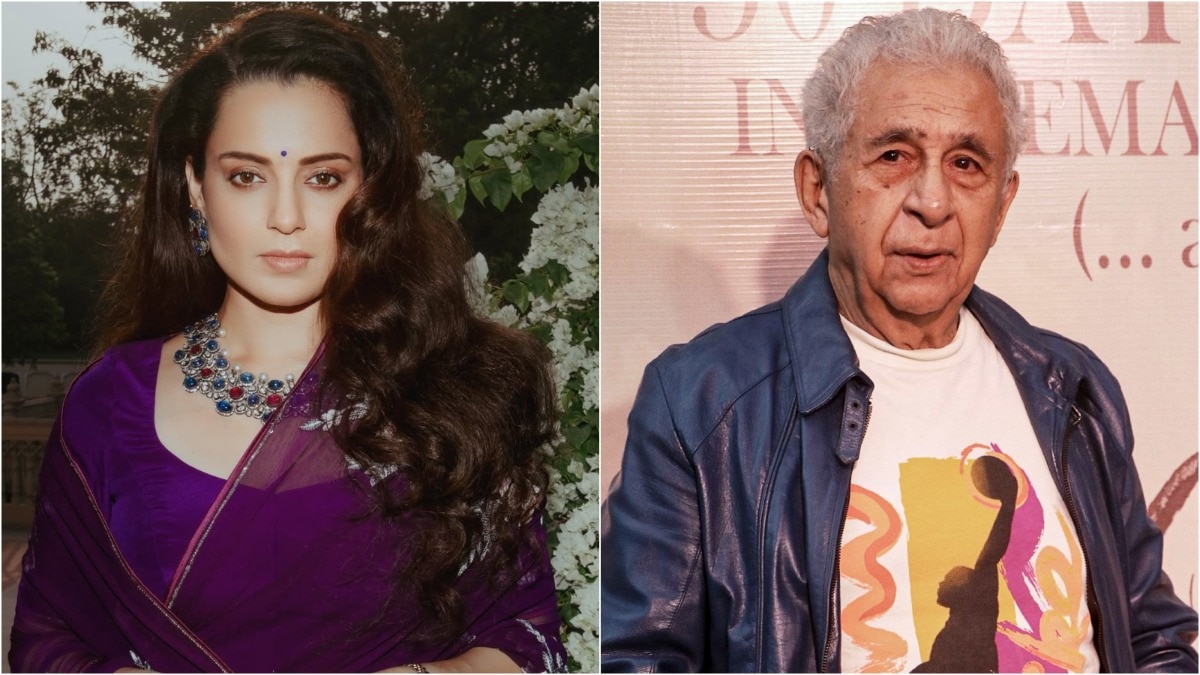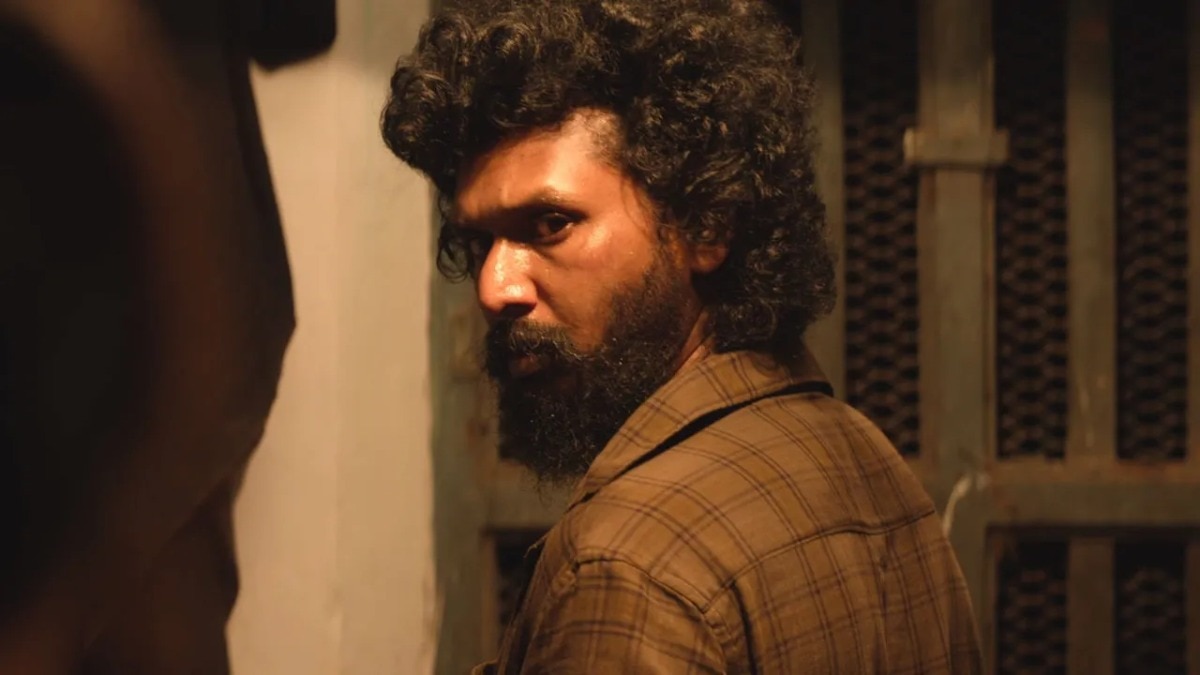
The new releases Batwara 1947, I’ll Return and Operation White Ocean revisit India’s partition trauma, reminding audiences of the nation’s original values. Veteran actors Shabana Azmi, Naseeruddin Shah and Dharmendra guide a new generation toward a deeper understanding of peace‑loving DNA. The films question whether modern India has truly altered its core ethos.
Key Takeaways
- Batwara 1947, I’ll Return and Operation White Ocean bring partition‑era stories to a contemporary audience.
- Veteran actors emphasize communal harmony and the resilience of India’s original spirit.
- The movies probe whether India’s peace‑loving DNA has been permanently reshaped.
Political Context of the Films
Since Aditya Dhar’s 2019 blockbuster Uri: The Surgical Strike, Indian cinema has glorified a muscular nationalism. Follow‑up hits like Dhurandhar cemented the “New India” narrative. However, Batwara 1947, I’ll Return and Operation White Ocean reverse this trend, showing that the nation’s core remains rooted in peace, tolerance, and cultural pluralism.
Batwara 1947 – A Fresh Look at Partition
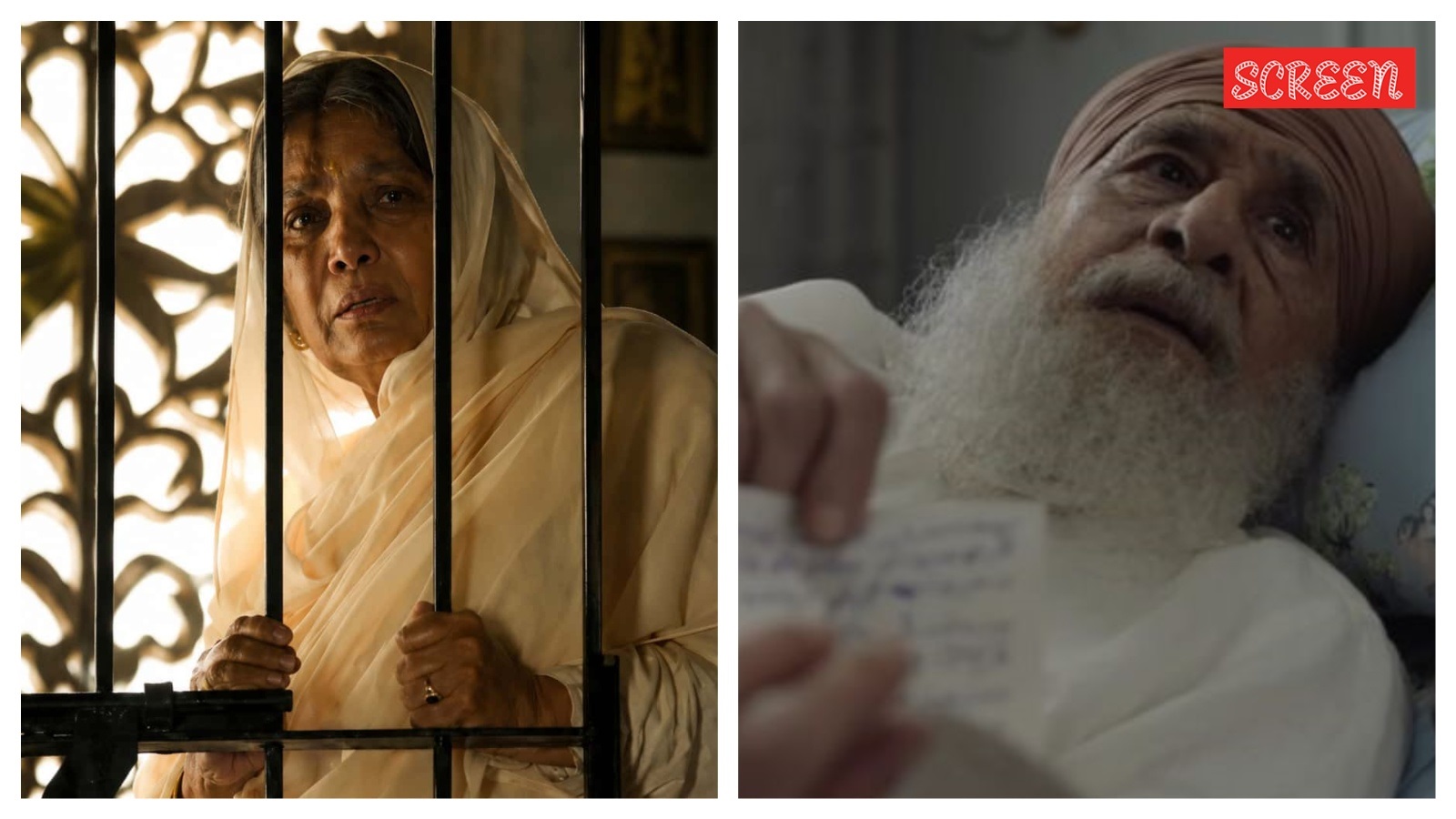
Directed by Rajkumar Santoshi, Batwara 1947 adapts Asghar Wajahat’s acclaimed play Jis Lahore Nai Dekhya O Jamyai Nai. It follows a Muslim family forced to migrate to Pakistan during Partition, yet they protect an elderly Hindu woman (Shabana Azmi) who refuses to abandon her Lahore haveli. Sunny Deol’s line “Seedha ghus ke maarenge” resonates with a nationalist chant, but the film subverts the trope by casting Hindu actors as Muslim characters, underscoring communal solidarity.
I’ll Return – Love, Loss, and Reconciliation
Imtiaz Ali’s I’ll Return offers a softer, more introspective take on the same era. The 95‑year‑old Keenu (Naseeruddin Shah) wishes to go back to his motherland, not merely for a lost romance but to reconcile with the love of his homeland that was shattered by violence. The narrative illustrates how the trauma of 1947 altered the DNA of many, curbing their capacity for love and trust.
Operation White Ocean – Naval Power as a Symbol
Sriram Raghavan’s Ikkis showcases the fictional Operation White Ocean, highlighting India’s maritime capabilities. While it celebrates military strength, it also raises the question of whether such power can coexist with the cultural empathy showcased in the other two films.
Why This Matters
BozokMedia analysis shows that these three films collectively challenge the prevailing “muscular nationalism” narrative, reminding audiences that India’s strength lies as much in its cultural pluralism as in its defence capabilities.
“Films are mirrors of social memory—they remind us that despite the pain of Partition, India’s soul rests in peace and tolerance.” – Dr. Anuj Kumar, History Professor
Frequently Asked Questions
Q1: Are the events depicted in Batwara 1947 historically accurate?
A: Yes, the film draws heavily from real partition incidents, though it takes artistic liberties for dramatic effect.
Q2: What is the central message of I’ll Return?
A: The film stresses that personal and national reconciliation is an ongoing process, driven by love for the homeland and a desire to heal past wounds.