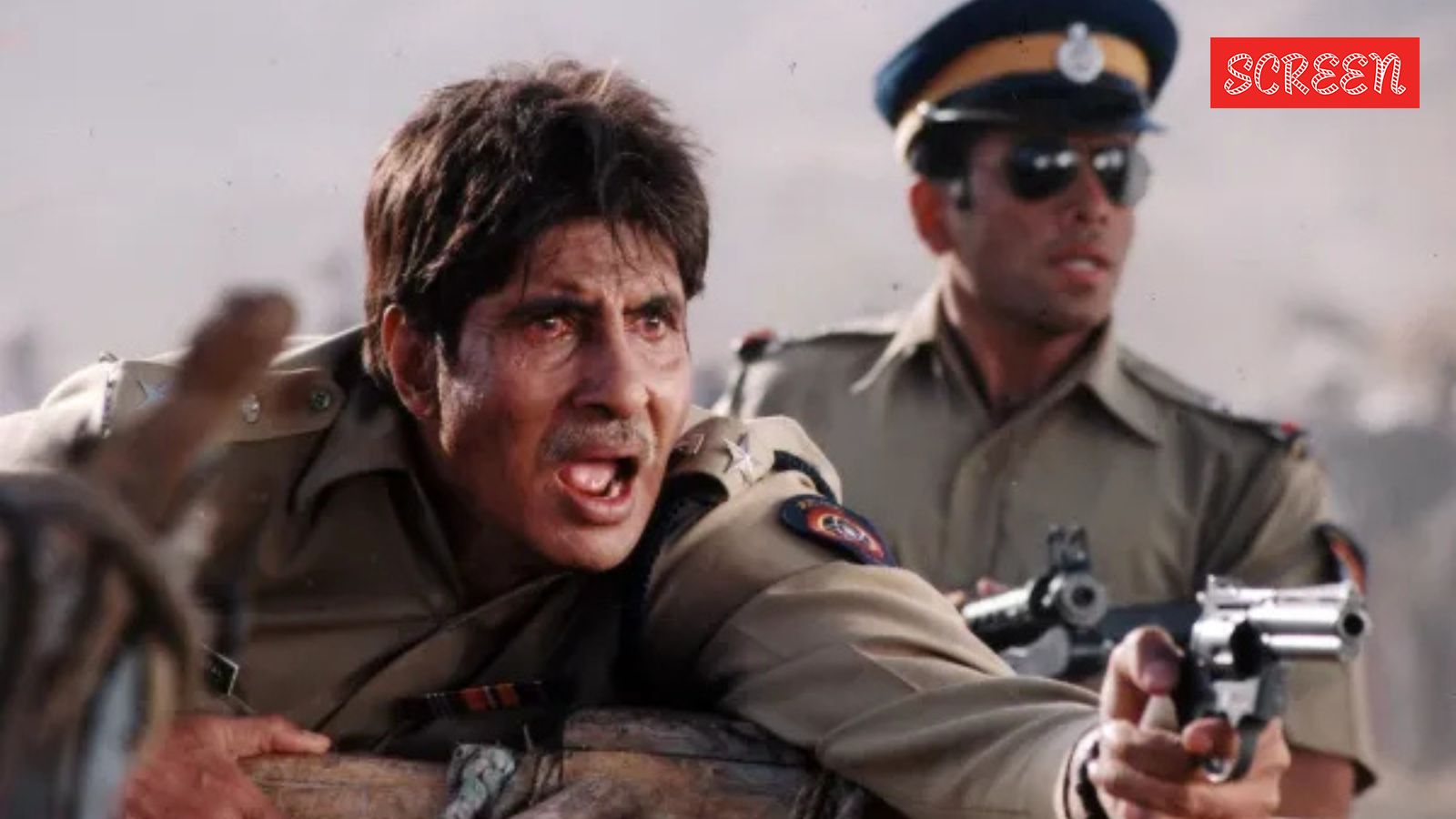
Rajkumar Santoshi’s 2004 film *Khakee* showcases Amitabh Bachchan as a hardened police officer, redefining the angry‑hero archetype. The article analyses why the movie stands out as a near‑perfect masala entertainer with deep political undertones.
Key Takeaways
- Amitabh Bachchan’s new, age‑defying role.
- Khakee as a benchmark masala film.
- Political and social layers give the spectacle weight.
Film Overview
Directed by Rajkumar Santoshi, Khakee hit screens in 2004 and quickly became a reference point for Indian action‑drama. Amitabh Bachchan portrays a stern cop confronting Angre (Ajay Devgn), whose cold‑blooded entry sets the tone for a story rooted in past grudges.
From Vijay to the Angry Old Man
While Zanjeer introduced the youthful, idealistic Vijay (Salim‑Javed), Khakee presents a seasoned officer who no longer believes the system can be fixed. This shift adds a layer of cynicism that resonates with contemporary viewers.
| Film | Lead Character | Core Motivation |
|---|---|---|
| Zanjeer (1973) | Vijay (Young) | Faith in law |
| Khakee (2004) | Amitabh Bachchan (Old) | Resistance against decay |
Why This Matters
BozokMedia analysis shows that Bachchan’s portrayal reflects not just personal evolution but also the broader socio‑political commentary embedded in masala cinema.
"Bachchan’s character in Khakee epitomizes the conflicted conscience of a veteran law enforcer." — Film analyst Dr. Maya Rao
Frequently Asked Questions
What does Bachchan’s role represent in Khakee?
It embodies a disillusioned yet unyielding commitment to order amidst systemic corruption.
Why is Khakee considered a masala film?
Because it blends romance, action, music, and social critique into a single, flavorful narrative.