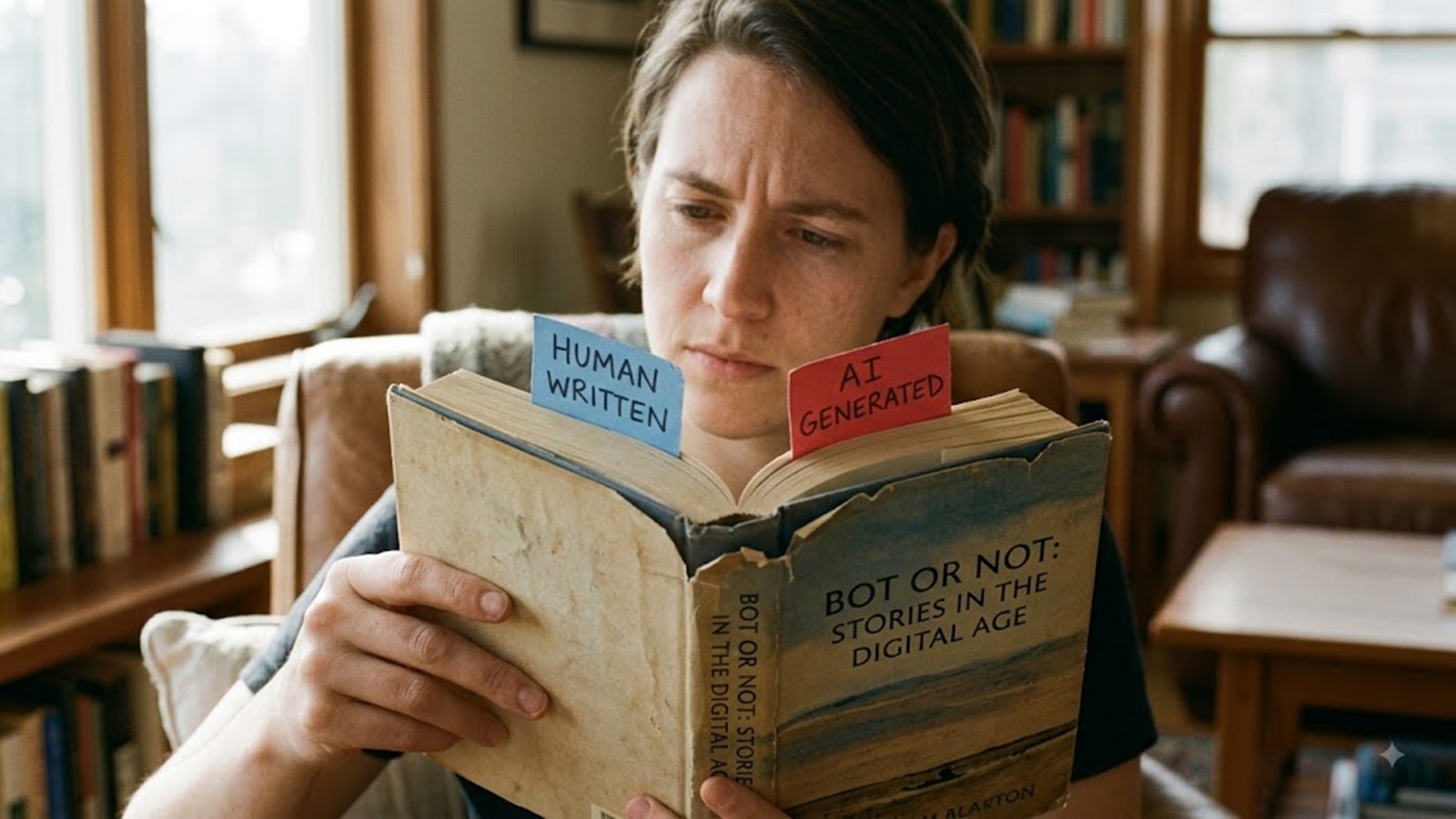
A recent study shows that readers rate AI‑generated fiction higher than human‑written pieces, but as soon as they learn the source, they penalize it. This paradox raises questions about the future acceptance of AI in literature.
Key Takeaways
- Only 39% of participants correctly identified AI vs. human stories
- Awareness of AI origin leads to lower ratings for AI‑generated text
- Recent literary scandals have intensified skepticism toward AI writing
Study Overview
Researchers from Villanova University conducted three experiments involving 2,587 U.S. participants. When readers were unaware of the source, AI‑generated stories were judged superior; once informed, the same stories received lower scores.
Historical Background
Over the past 18 months, the publishing world has been rocked by a series of scandals—withdrawn books, broken deals, misconduct allegations, and an AI controversy surrounding the Commonwealth Short Story Prize. This climate prompted platforms like Substack to roll out AI‑detection tools.
Expert Opinions
Gautam Mehra, founder of Winterline AI Research, argues that the word “artificial” itself seeds distrust. He notes that human writing carries lived experience and emotional nuance that machines lack.
“AI may write more fluently, but fluency is not the same as meaning.”
Why This Matters
BozokMedia analysis shows that growing aversion to AI‑generated literature could drive publishing houses to adopt detection tools and enforce disclosure policies, reshaping industry standards.
Frequently Asked Questions
Question 1: Can the average reader distinguish AI‑written text?
Answer: The study found less than half could do so correctly.
Question 2: Why are AI detection tools becoming more popular?
Answer: To preserve trust and prevent plagiarism in the publishing industry.
:max_bytes(150000):strip_icc():focal(749x0:751x2)/jamie-foxx-corinne-foxx-121823-3-81e3ccee185b43528f3c5646513572b8.jpg)