A deep dive into how Indian cinema has transitioned from stories of national unity and cross-border longing to narratives that frequently link villainy with religious identity.
- Shift from portraying the 'enemy' as a political or national entity to a religious one.
- Rise of 'Cop Universe' and historical dramas that use religious stereotypes for conflict.
- Contrast between nuanced films like 'Main Vaapas Aaunga' and propaganda-driven mass entertainers.
For decades, Bollywood served as a mirror to India's complex relationship with its neighbors and its internal struggles. Early patriotic films often focused on a collective struggle against colonial powers, corrupt politicians, or the shared trauma of partition. The narrative was generally built around the idea of national unity, where the antagonist threatened the social fabric of the entire country, regardless of faith or caste.
However, a perceptible shift has occurred over the last decade. As analyzed by Saraswati Datar, the line between cinematic entertainment and political propaganda has blurred. While Pakistan has traditionally been the external antagonist, modern cinema is increasingly internalizing the 'threat,' often attributing villainy to specific religious identities. This trend transforms the cinematic experience from an exploration of patriotism into a tool for social polarization.
Why This Matters
BozokMedia analysis shows that when mainstream cinema—which reaches millions of viewers—consistently links specific religious markers (such as beards or dietary habits) with terrorism or cruelty, it reinforces harmful stereotypes in the real world. This is not merely a creative choice but a reflection of a broader societal shift where 'the other' is defined not by their actions, but by their identity.
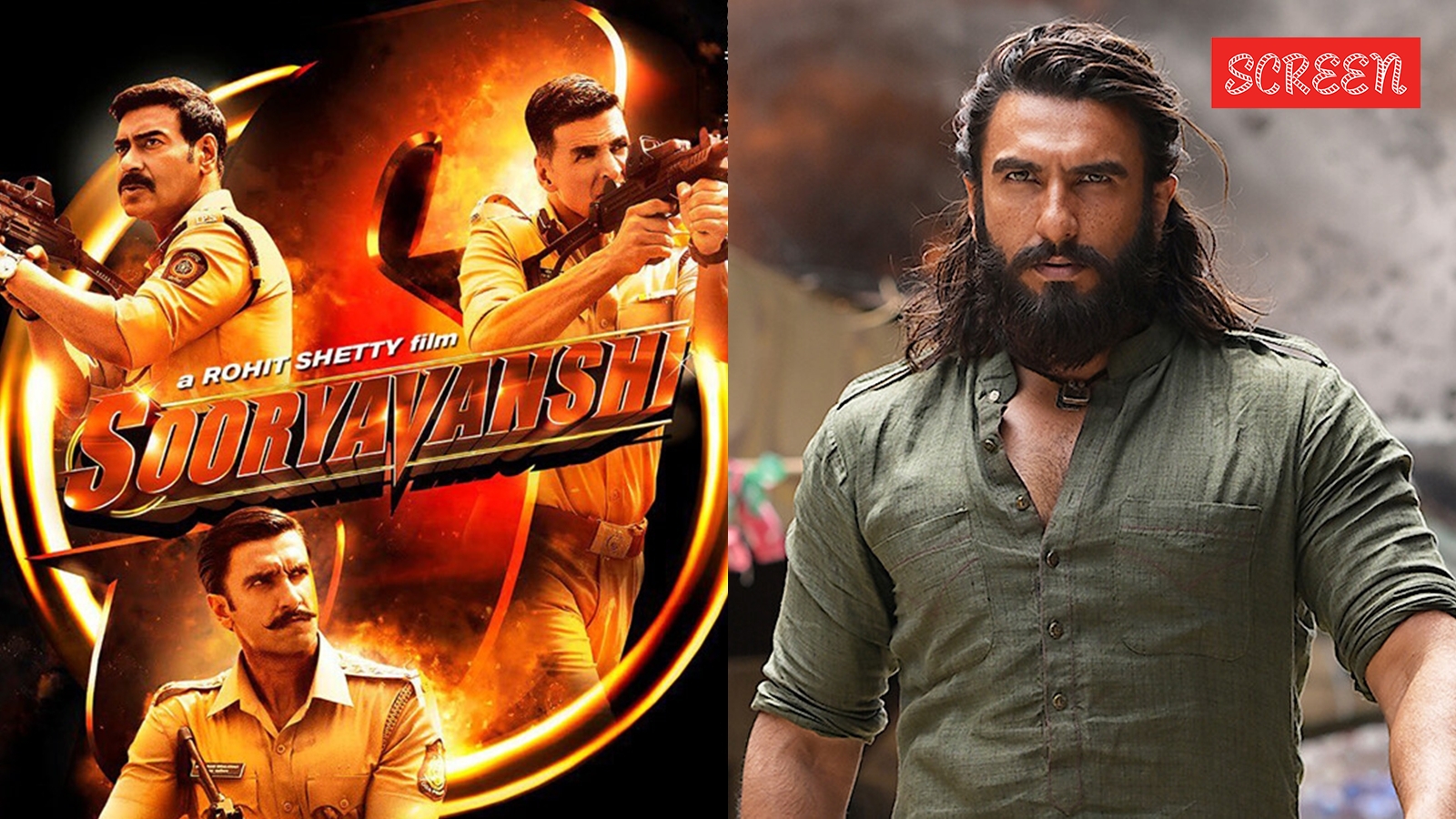
Take, for example, the Rohit Shetty Cop Universe. While it began with Bajirao Singham fighting a corrupt politician, it evolved into Sooryavanshi and Singham Again, where the plot revolves around undercover terrorists and villains like Zubair Hafeez. The juxtaposition of Hindu mythology (the Ramayana) with Islamic stereotypes in Singham Again suggests a deliberate attempt to merge religious faith with national security narratives.
The danger lies in the normalization of religious stereotyping under the guise of 'patriotic' storytelling, which risks eroding the pluralistic fabric of Indian society.
This trend extends to historical epics. Films like Padmaavat, Panipat, and Samrat Prithviraj have portrayed historical figures like Alauddin Khilji and Muhammad Ghori as savage, one-dimensional monsters. Even in recent releases like Chhaava and Raja Shivaji, the conflict is framed through a lens of religious clash rather than political conquest, stripping historical figures of their complexity to fit a modern narrative of 'us vs them'.
| Era | Nature of the 'Enemy' | Core Narrative Theme |
|---|---|---|
| Classic Bollywood | Colonialists, Corrupt Politicians, External States | National Unity & Social Reform |
| Modern Bollywood | Religious Identities, Internal 'Others' | Identity-based Conflict & Polarization |
Frequently Asked Questions
Q1: Is all patriotic cinema in Bollywood now propaganda?
No. Films like Main Vaapas Aaunga prove that it is still possible to tell stories of national pain and borders without resorting to religious stereotypes.
Q2: How does the 'Cop Universe' contribute to this shift?
By replacing generic criminals with religious-coded terrorists, these films frame security threats as identity-based rather than crime-based.