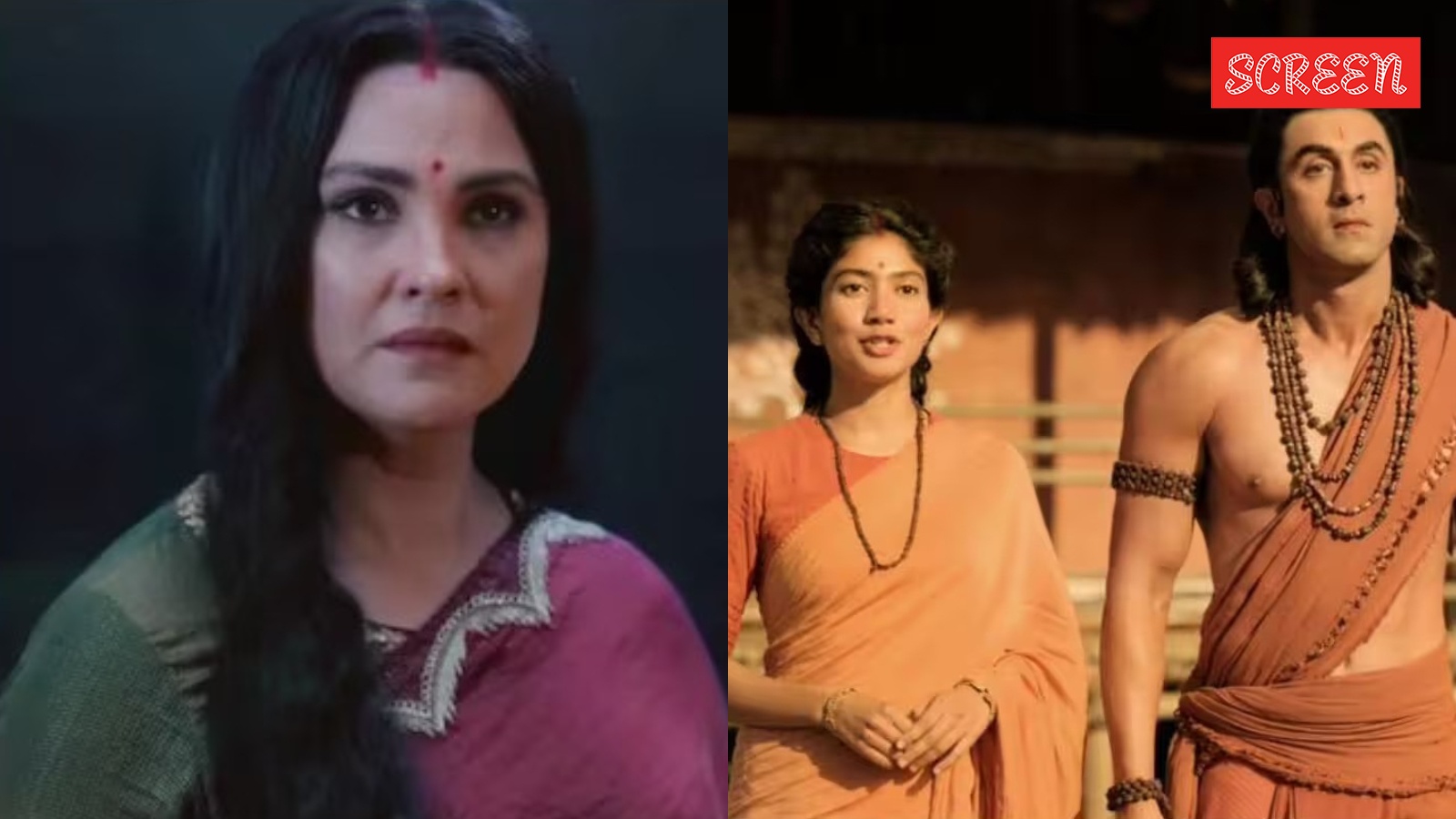
Designers Rimple and Harpreet Narula have responded to fan criticism regarding the costumes in Nitesh Tiwari's 'Ramayana', explaining the psychological and spiritual reasoning behind the visual choices for Sita and Kaikeyi.
Key Takeaways
- The design philosophy prioritized 'Faith' over strict historical 'Authenticity'.
- Kaikeyi's color palette (Green and Maroon) was chosen to symbolize maternal conflict and Earth.
- Sita's look was crafted to be a 'universal' representation of an Indian epic for global audiences.
- Only natural vegetable dyes were used for the entire wardrobe.
Following the release of the trailer for Nitesh Tiwari's mythological magnum opus, Ramayana, a wave of scrutiny hit social media. Fans questioned the costume designs for key characters played by Ranbir Kapoor, Sai Pallavi, and Lara Dutta. In a candid interview, the official costume designers, Rimple and Harpreet Narula, detailed the conscious decisions that shaped the film's visual identity.
The Psychology of Kaikeyi's Wardrobe
Addressing the criticism surrounding Lara Dutta's look, Rimple explained that the pairing of a green blouse with a dark maroon (ox-blood) saree was a deliberate narrative tool. The green represents Mother Earth, while the dark maroon reflects the complexity and inner turmoil of a mother who is torn between protecting her son and banishing Lord Ram. This visual storytelling aims to convey a state of perplexity that words alone might not capture.
Why This Matters
BozokMedia analysis shows that in high-budget mythological adaptations, there is a recurring tension between archaeological accuracy and collective cultural memory. By choosing 'faith' over 'authenticity,' the designers are betting on the audience's emotional connection to traditional calendar art and temple idols rather than museum-grade history.
"We wanted to go by faith over authenticity; our inspiration came from how we have grown up seeing these deities in our daily lives and temples."
Global Reach and Visual Adaptation
Regarding Sai Pallavi's portrayal of Sita, Harpreet noted the vast differences in iconography between North and South India. To avoid regional bias, they opted for a silhouette that felt universal. The goal was to create an image that a global audience would instantly recognize as a quintessential Indian epic. They emphasized that the final looks were not designed in isolation but were cohesive results of collaboration with the director.
| Character | Design Intent | Color/Style Palette |
|---|---|---|
| Sita | Grace & Global Recognition | Universal Indian Silhouette |
| Kaikeyi | Complexity & Conflict | Green & Ox-blood Maroon |
| Shurpanakha | Wild & Unconventional | Bold, Free-spirited textiles |
Frequently Asked Questions
Q1: Why did the designers prioritize faith over authenticity?
A: They wanted the costumes to mirror the collective consciousness and the images of deities found in temples and calendars that people have lived with since childhood.
Q2: Was the costume design based on research?
A: Yes, research was the foundation, but the final interpretation was driven by the needs of visual storytelling and the director's vision.