Jane Schoenbrun's latest film blends surrealism, wit, and nostalgia, using matte paintings instead of CGI to create a hauntingly beautiful slasher reimagining.
- The film serves as a surreal and emotional homage to the slasher genre.
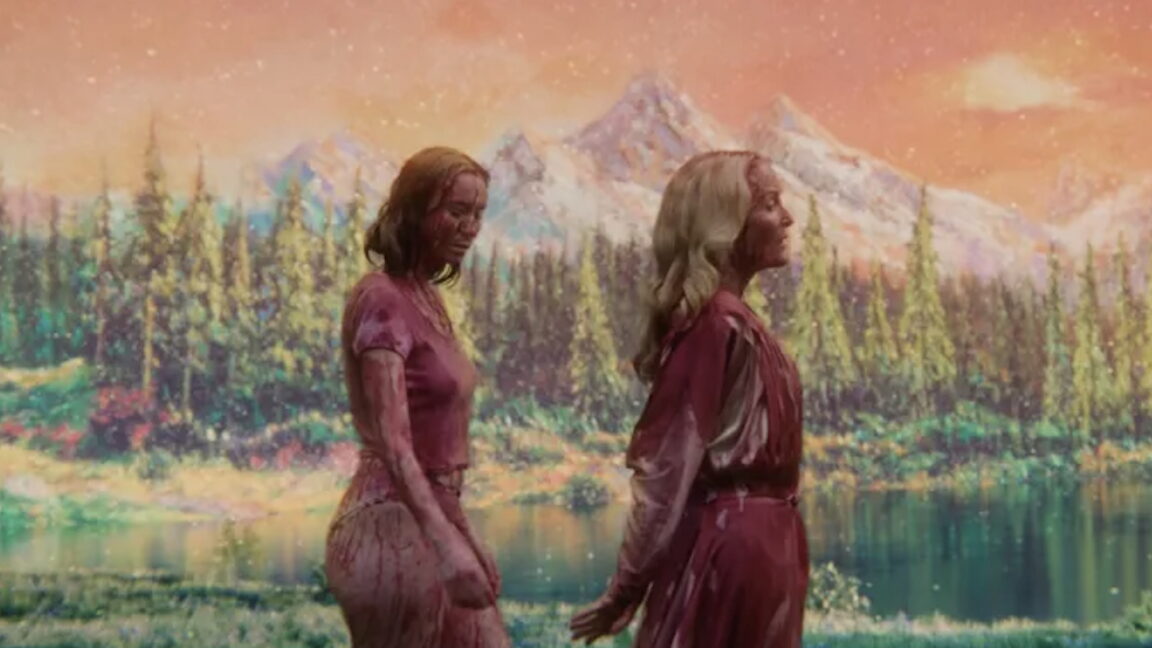
- Matte paintings are used instead of CGI to create a unique, warped aesthetic.
- It balances geeky horror tropes with deep psychological storytelling.
For those who grew up being unsettled by lurid slasher films, Jane Schoenbrun’s latest offering, Teenage Sex and Death at Camp Miasma, feels like a cathartic release. The film is a complex tapestry of emotions—shocking, provocative, witty, and surreal. It caters to the hardcore slasher nerd while maintaining enough charm to engage a general audience.
The film's technical execution is noteworthy. Eschewing the standard modern reliance on CGI, Schoenbrun utilizes matte paintings to warp the world of the film. This creates a dreamlike, slightly off-kilter atmosphere that hits closer to the nostalgic heart of horror fans than digital effects ever could. The opening sequence, inspired by the meticulous detail of David Fincher, sets a high bar for atmospheric storytelling.
Why This Matters
BozokMedia analysis shows that the resurgence of practical and traditional art techniques in filmmaking is a direct response to 'CGI fatigue' among audiences. By choosing matte paintings, Schoenbrun elevates the film from a mere genre exercise to a piece of high-concept art that explores the psyche.
Schoenbrun masterfully subverts the slasher genre, transforming a trope-heavy setting into a profound exploration of identity.
The narrative follows Kris (Hannah Einbinder), a queer film director commissioned to create a 'woke' reboot of a politically incorrect sleepaway camp franchise. Her journey leads her to the reclusive Billy Preston (Gillian Anderson), the original 'final girl' of the Camp Miasma franchise. What begins as a professional pitch evolves into a psychological descent as Kris is pulled into a fantasy buried deep within her own psyche at an abandoned film set.
Historical Background
The slasher subgenre, popularized by icons like Friday the 13th, has long relied on specific tropes: the isolated camp, the masked killer, and the resilient 'final girl.' Schoenbrun takes these established archetypes and deconstructs them through a contemporary, queer lens, bridging the gap between 80s nostalgia and modern social commentary.
Frequently Asked Questions
1. Is this a traditional slasher movie?
While it uses slasher elements, it is more of a psychological and surrealist exploration than a straightforward horror film.
2. Who stars in the film?
The film features standout performances by Hannah Einbinder and Gillian Anderson.