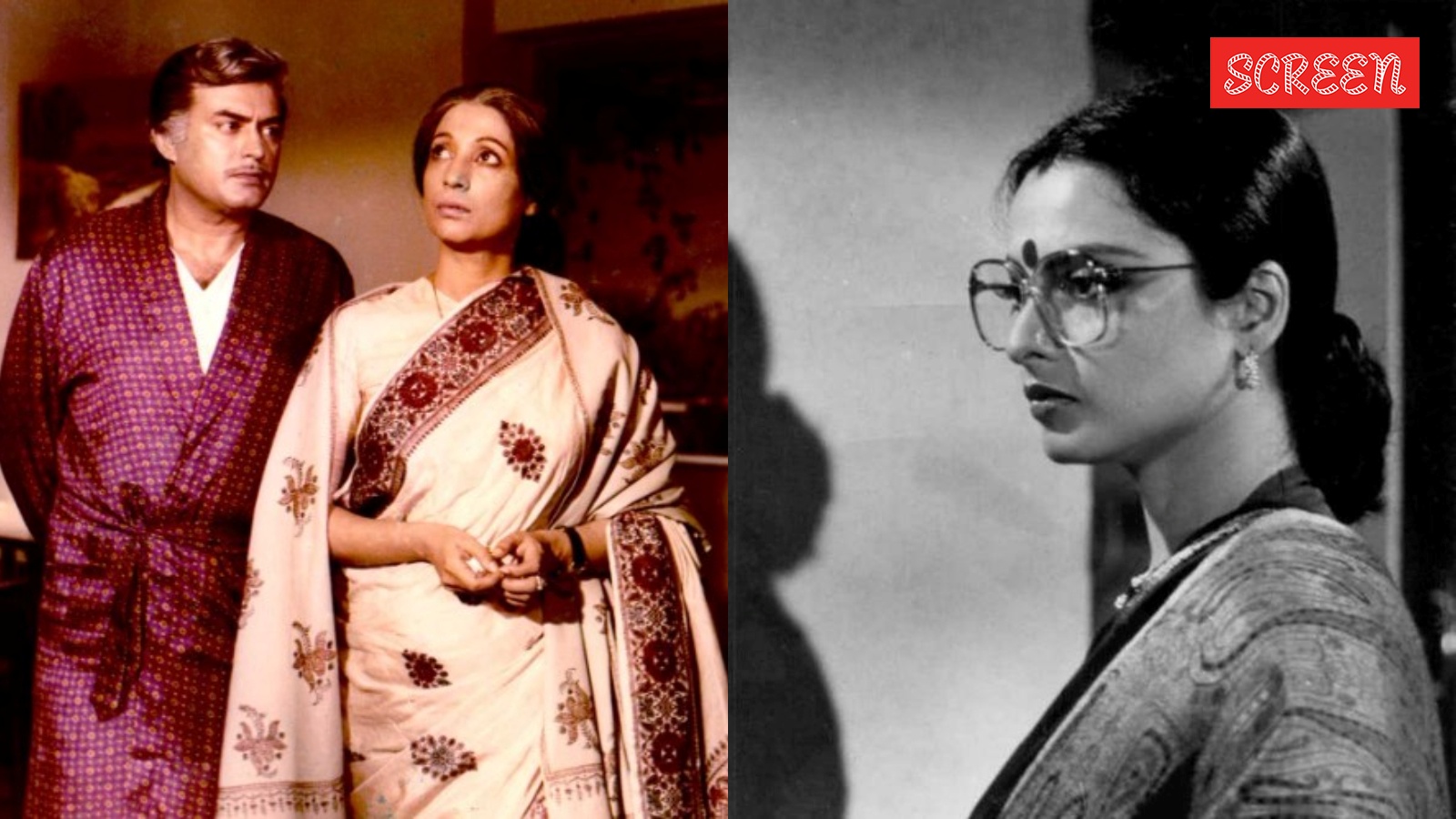
An exploration of Gulzar's cinematic legacy, where female characters are portrayed not as tropes to be liked, but as complex, flawed, and autonomous individuals seeking understanding.
- Gulzar's female characters are defined by their own desires and ambitions rather than their relationships with men.
- His storytelling avoids the 'hero-savior' trope, emphasizing female resilience and self-preservation.
- Films like Aandhi, Ijaazat, and Namkeen showcase a spectrum of women—from ambitious politicians to marginalized survivors—with equal dignity.
For decades, Indian cinema often relegated women to the roles of the dutiful daughter, the sacrificing mother, or the vamp. However, Gulzar, a master poet and filmmaker, carved a different path. He didn't write women to be liked or to fit a moral mold; he wrote them to be understood. His characters are often flawed, desiring, and complicated, existing in a space where their internal world is more important than the societal gaze.
The Ambition of Autonomy
In the film Aandhi, the character of Aarti Devi represents a seismic shift in how female ambition was portrayed. Aarti doesn't enter politics as a byproduct of her husband's influence; she chooses it. Gulzar deliberately stripped the frame of other female influences to ensure the audience focused solely on her journey. The film's refusal to resolve the conflict through a traditional romantic reunion highlights a mature understanding of love: that sometimes, love is simply not enough to bridge two fundamentally different life paths.
Complexity Over Categories
Gulzar's ability to avoid binary oppositions is most evident in Ijaazat. Typically, cinema pits the 'wife' against the 'mistress.' Gulzar rejects this. Maya, the free spirit, and Sudha, the dutiful wife, are presented as two different temperaments rather than 'right' or 'wrong' choices. Their struggles are not about competing for a man, but about navigating their own identities and emotional survival.
Gulzar's cinema treats a woman's silence not as submission, but as a complex dialogue with her own soul.
Why This Matters
BozokMedia analysis shows that Gulzar's approach was revolutionary because it decoupled female value from male validation. Whether it is the pride of Kusum in Khushboo, who refuses to remarry out of self-respect, or the gritty survival of the women in Namkeen, Gulzar presents femininity as a diverse experience of endurance and agency. He proves that a woman's story can be compelling without a male protagonist acting as the catalyst for her growth.
Dignity in the Margins
In Mausam, the character of Kajli is a testament to Gulzar's empathy. Despite her profession in a brothel, the plot refuses to reduce her identity to her work. She is given anger, desire, and dignity. Similarly, in Namkeen, the domestic space is a fortress of women. When a man enters their lives, the film resists the urge to make him a rescuer. The character of Nimki understands the cost of dependency, making her refusal of help a powerful statement of independence.
Character Archetypes in Gulzar's Cinema
| Film | Character | Core Trait | Relationship to Men |
|---|---|---|---|
| Aandhi | Aarti Devi | Ambitious | Independent of marital status |
| Ijaazat | Maya/Sudha | Complex | Defining self beyond the partner |
| Namkeen | Nimki | Pragmatic | Rejects the 'rescuer' narrative |
| Mausam | Kajli | Dignified | Humanized beyond profession |
Frequently Asked Questions
Q: What makes Gulzar's female characters different from typical Bollywood tropes?
A: Unlike typical tropes, Gulzar's women are not defined by their relationship to a man; they have their own ambitions, flaws, and agency.
Q: Does Gulzar always present a happy ending for his women?
A: No, he often focuses on self-preservation and understanding over traditional 'happy' romantic resolutions.

