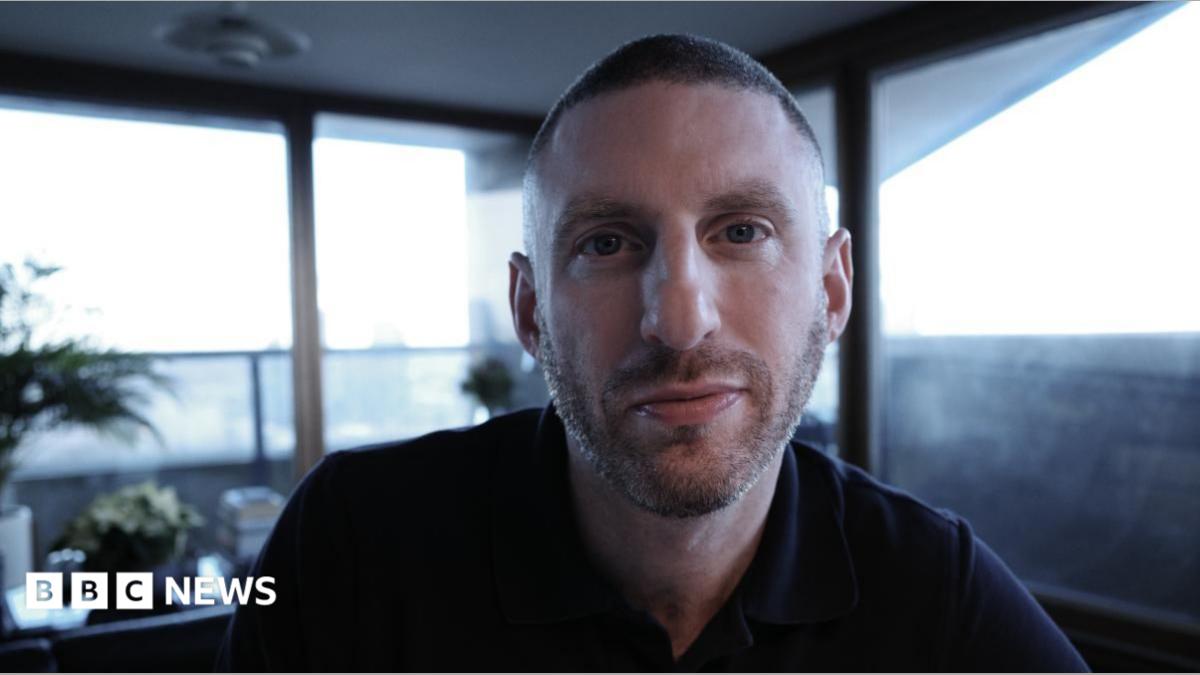
A Channel 4 documentary suggesting ADHD is a 'social construct' rather than a brain disorder has triggered formal complaints to Ofcom from major mental health charities and medical bodies.
- Channel 4's documentary 'The Great ADHD Myth?' challenged the neurodevelopmental legitimacy of ADHD.
- ADHD UK and the Royal College of Psychiatrists have condemned the program's conclusions.
- Contradictory evidence within the film showed a featured child improved only after returning to medication.
A major controversy has erupted following the broadcast of a Channel 4 documentary titled 'The Great ADHD Myth?', which suggested that Attention Deficit Hyperactivity Disorder (ADHD) is a 'social construct' rather than a physiological brain disorder. The program, hosted by NHS psychiatrist Dr Max Pemberton, has drawn fierce criticism from medical professionals and advocacy groups alike.
ADHD UK has officially filed a complaint with media regulator Ofcom, asserting that the condition is a legitimate neurodevelopmental disorder and not a mere societal invention. The Royal College of Psychiatrists echoed these concerns, warning that invalidating the condition does a profound disservice to both patients and the healthcare professionals dedicated to their care.
Why This Matters
BozokMedia analysis shows that this incident highlights a growing tension between mainstream medical consensus and provocative documentary filmmaking. As diagnosis rates for neurodevelopmental conditions soar globally, the dissemination of skeptical viewpoints in mainstream media can lead to increased stigma and the potential withdrawal of essential support services for vulnerable populations.
'Invalidating the condition does a disservice to people with ADHD and professionals involved in their care.' - Prof. Subodh Dave, President of the Royal College of Psychiatrists.
The documentary's narrative was further complicated by its own subject matter. It followed a 10-year-old boy who attempted to manage his symptoms through lifestyle changes instead of medication. However, a caption at the end of the program revealed that the boy returned to his medication two months after filming, which subsequently led to an improvement in his school performance—a fact that ADHD UK claims directly disproves the documentary's central premise.
In its defense, Channel 4 stated that the program was intended to explore legitimate public debates regarding the rise in diagnoses and the impact of modern societal structures on behavior. The broadcaster maintained that the film presented a range of senior medical expert views to challenge conventional understandings, rather than outright denying the lived experiences of those with the diagnosis.
Frequently Asked Questions
1. What was the main claim of the Channel 4 documentary?
The documentary suggested that ADHD might be a social construct influenced by modern living rather than a strictly biological brain disorder.
2. How has the medical community responded?
Leading bodies like the Royal College of Psychiatrists have warned against invalidating the condition and emphasized the need for better access to quality care instead of questioning its legitimacy.