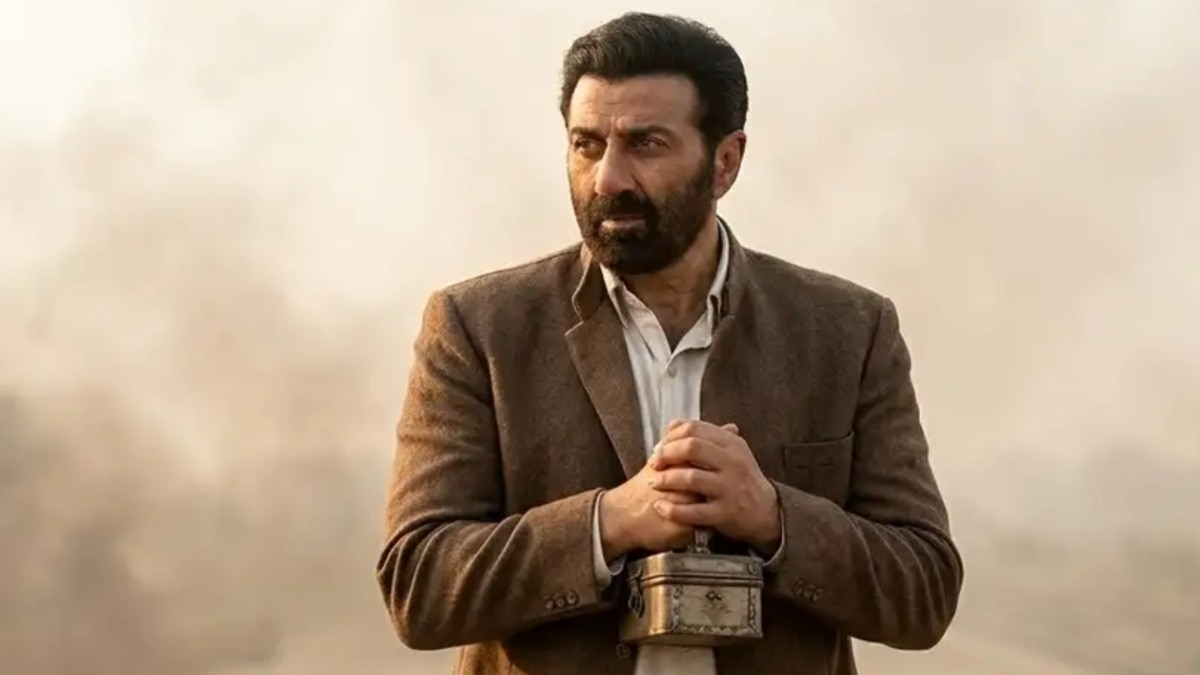
Director Rajkumar Santoshi has opened up about the industry's hesitation to cast Sunny Deol as a Muslim protagonist in his film 'Batwara 1947'. Santoshi describes the decision as a 'shocker' that challenged the conventional hero archetype in Indian cinema.
- Sunny Deol portrays Sikandar Mirza, an Indian Muslim, in the film 'Batwara 1947'.
- Director Rajkumar Santoshi faced significant industry pushback regarding this unconventional casting.
- The film aims to promote themes of brotherhood and resistance against religious fanaticism.
- Despite box office challenges, the film has received praise from religious leaders for its message.
Renowned filmmaker Rajkumar Santoshi has stirred intense conversation within the film industry by revealing the behind-the-scenes struggles of his latest project, 'Batwara 1947'. According to Santoshi, casting superstar Sunny Deol in the role of an Indian Muslim protagonist was perceived as a massive risk from the very inception of the project. The industry, long accustomed to Deol's image as a muscular, patriotic, and hyper-masculine action hero, was reportedly reluctant to support a narrative that deviated so sharply from his established persona.
The film, set against the turbulent backdrop of the 1947 Partition, features Deol as Sikandar Mirza. Santoshi explained in an exclusive interaction that the hesitation stemmed from a deep-seated industry preference for 'safe' commercial formulas involving songs, action, and predictable tropes. He noted that many stakeholders were wary of the religious sensitivities involved, especially when dealing with themes of Pakistan and Muslim characters in a polarized cinematic landscape.
Why This Matters
BozokMedia analysis shows that this casting choice represents a significant moment in modern Bollywood, where veteran stars attempt to break through long-standing archetypes to deliver socially relevant stories, even at the cost of commercial safety.
"Everybody wanted to make mainstream cinema... they all wanted to be very safe. Casting Sunny as a Muslim was a shocker for most; they thought he should just go to Pakistan and beat them up." - Rajkumar Santoshi
Despite the skepticism, Santoshi stood by his decision, citing Deol's immense courage. The director highlighted that Deol not only embraced the character but also fearlessly delivered dialogues that included direct verses from the Quran—a move that many mainstream stars would typically avoid due to fear of backlash. Santoshi emphasized that Deol's portrayal of a man standing up against fanaticism was the most courageous character he has ever written.
The film's creative roots run deep, being based on Asghar Wajahat's acclaimed play, 'Jis Lahore Nai Vekhya, O Jamya Nai'. Santoshi ensured that the essence of the original work remained intact throughout the screenplay development. While the film's box office performance has been described as 'lukewarm'—collecting approximately ₹33.60 crore in its opening week and trailing behind Emraan Hashmi's 'Awarapan 2'—Santoshi remains undeterred.
For Santoshi, the true success of 'Batwara 1947' lies in its societal impact rather than its commercial earnings. He expressed immense satisfaction in seeing religious leaders from across the country praise the film for its emphasis on coexistence and mutual respect. To the director, the positive reception from audiences who value the film's message of brotherhood is the ultimate validation of his creative vision.
Frequently Asked Questions
1. Why was Sunny Deol's role in 'Batwara 1947' considered controversial?
Because he played an Indian Muslim character, which was seen as a departure from his traditional 'patriotic action hero' image.
2. How is the film performing at the box office?
The film has had a moderate start, earning about ₹33.60 crore in its first week, competing in a tight Independence Day race.