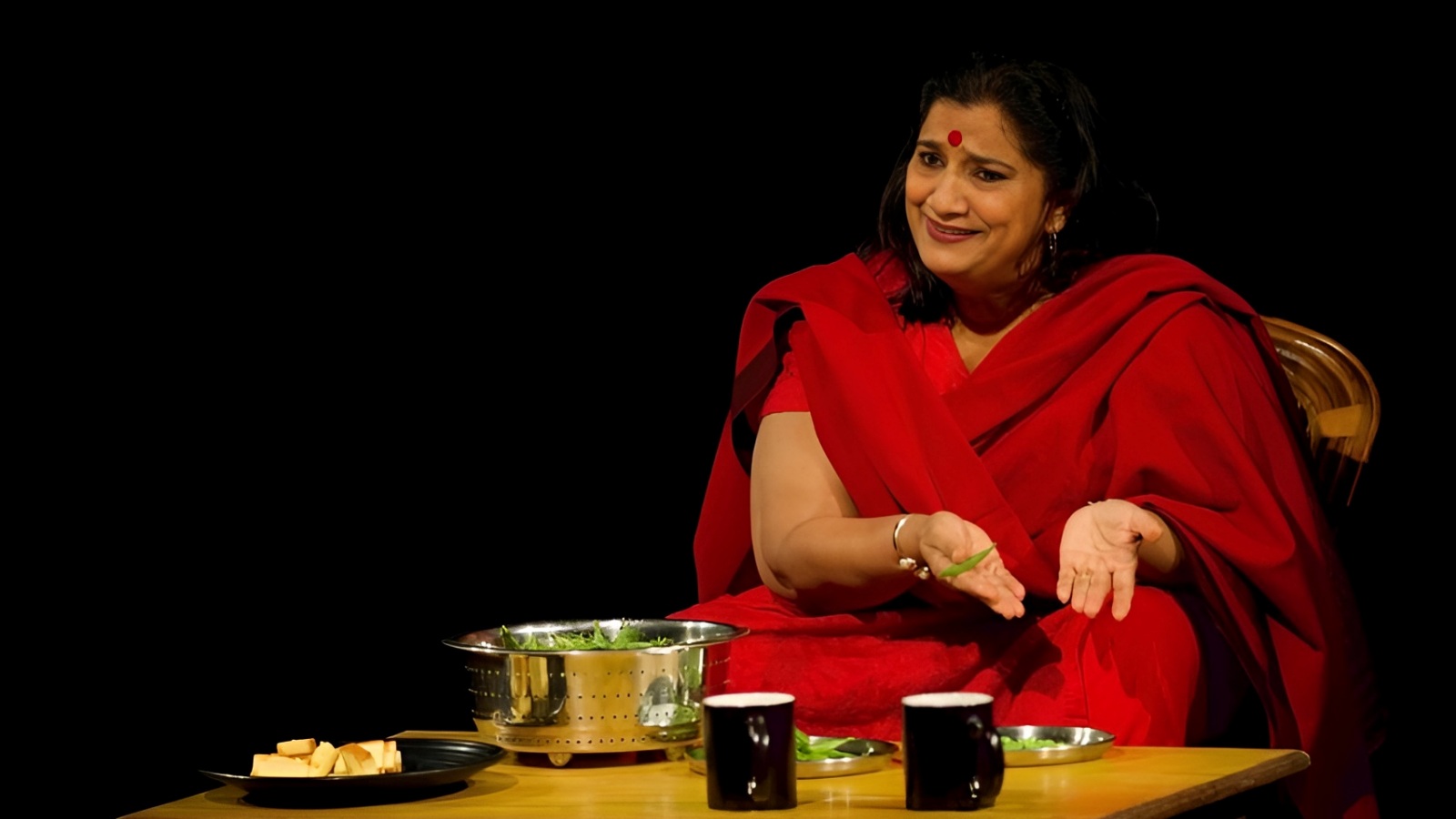
Actor Seema Bhargava Pahwa has shared a deeply personal account of the anxiety and emotional heaviness she experienced on her wedding night, recalling the pain of leaving her parental home.
Renowned actor Seema Bhargava Pahwa has offered a rare and poignant glimpse into the private emotional landscape of her wedding night. In a recent interview, the Zubeidaa actress moved beyond the typical narratives of bridal joy to discuss the profound sense of loss and anxiety that accompanied her transition into married life.
Reflecting on the night she married actor Manoj Pahwa, Seema revealed that the experience was far from the celebratory atmosphere one might expect. "When I returned after my bidaai, I couldn’t sleep the entire night," she shared. She described a feeling of instability, stating that it felt as though the ground had slipped beneath her feet as she realized the permanence of her new reality.
The Role of Music in Emotional Vulnerability
A pivotal moment in her recollection involved the power of music. Seema recalled that early the next morning, the radio played the soulful and melancholic song 'Ab Ki Baras Bhejo Bhaiyya Ko Babul' by Jagjit Singh. The lyrics, centered on the departure of a daughter, acted as a trigger for her already fragile emotional state, making her feel overwhelmed by the weight of her new life.
BozokMedia analysis shows that this phenomenon is not isolated to Seema but is a common psychological experience for many women navigating the complex transition of marriage in traditional societies. The shift is not just social, but deeply internal.
The wedding night can trigger a mix of sadness, fear, and anxiety as the mind processes the finality of leaving one's identity behind.
Psychiatrist Anitha Chandra explains that this reaction is a legitimate psychological response to a major life stage transition. According to Chandra, the feeling is not about regret, but about the sudden realization of permanent change and the loss of a familiar comfort zone.
Historical Background: The Concept of Bidaai
In the context of Indian cultural history, the concept of Bidaai (the bride's departure) has long been depicted as one of the most emotionally charged moments in a woman's life. Historically, it symbolizes the formal transfer of responsibility and the end of a woman's primary identity within her natal home, often creating a profound sense of displacement.
Frequently Asked Questions
Question 1: What exactly did Seema Pahwa feel on her wedding night?
Answer: She felt an intense emotional heaviness and anxiety caused by the realization that she had left her parental home and entered a permanent new life stage.
Question 2: Why is music mentioned in this context?
Answer: Music, specifically a sad song about departure, acted as an emotional catalyst that amplified her existing feelings of vulnerability.