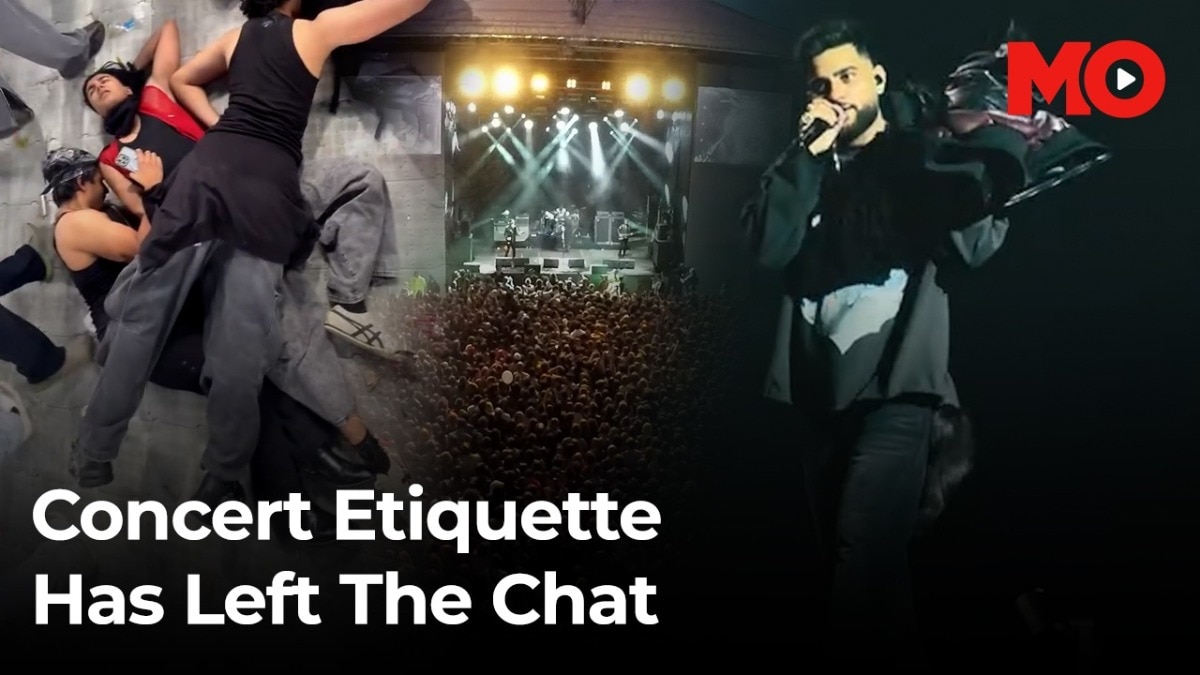
The essence of live music is being lost to a sea of smartphone screens and disruptive behavior. Fans are increasingly prioritizing recording the moment over actually living it.
- Smartphone usage is at an all-time high during live performances.
- Disruptive crowd behavior is impacting the quality of the musical experience.
- The shift from 'experiencing' to 'recording' is alienating artists and purists.
The landscape of live music is undergoing a profound and troubling transformation. Once a sanctuary for collective euphoria and musical immersion, modern concerts have increasingly become a battleground of digital distraction. The phrase 'concert etiquette has left the chat' is no longer just a meme; it is a stark reality for millions of attendees.
The Rise of the 'Screen-First' Attendee
Gone are the days when fans would close their eyes and lose themselves in the melody. Today, a significant portion of the crowd is viewed through the glowing rectangles of smartphones. While capturing memories is natural, the obsession with recording every second has created a barrier between the performer and the audience, as well as between individual fans.
Why This Matters
BozokMedia analysis shows that this shift signifies a fundamental change in human social interaction. When the primary goal of attending an event is to produce content for social media, the intrinsic value of the live experience is diluted. We are witnessing the commodification of moments that were once meant to be felt, not just filmed.
Live music thrives on presence; when everyone is looking through a lens, the collective energy of the room evaporates.
Beyond the digital distraction, physical etiquette is also in decline. Increased instances of crowd shoving, excessive shouting, and a lack of respect for personal space have turned many high-profile shows into chaotic environments. This lack of decorum poses not only a threat to the enjoyment of others but also to general safety protocols.
Historical Background
Historically, music festivals and concerts served as communal rituals. From the legendary Woodstock era to the stadium rock shows of the 80s, the focus was on a shared, visceral connection with the artist. The evolution of technology has pivoted this communal experience toward an individualistic, digital-first approach, fundamentally altering the sociology of live gatherings.
Frequently Asked Questions
Question 1: What defines good concert etiquette?
Answer: It involves respecting the artist's performance and the personal space of fellow attendees by minimizing distractions.
Question 2: How does phone usage affect the sound quality?
Answer: While phones don't change the stage sound, the visual and auditory clutter of hundreds of devices can disrupt the atmosphere and focus.