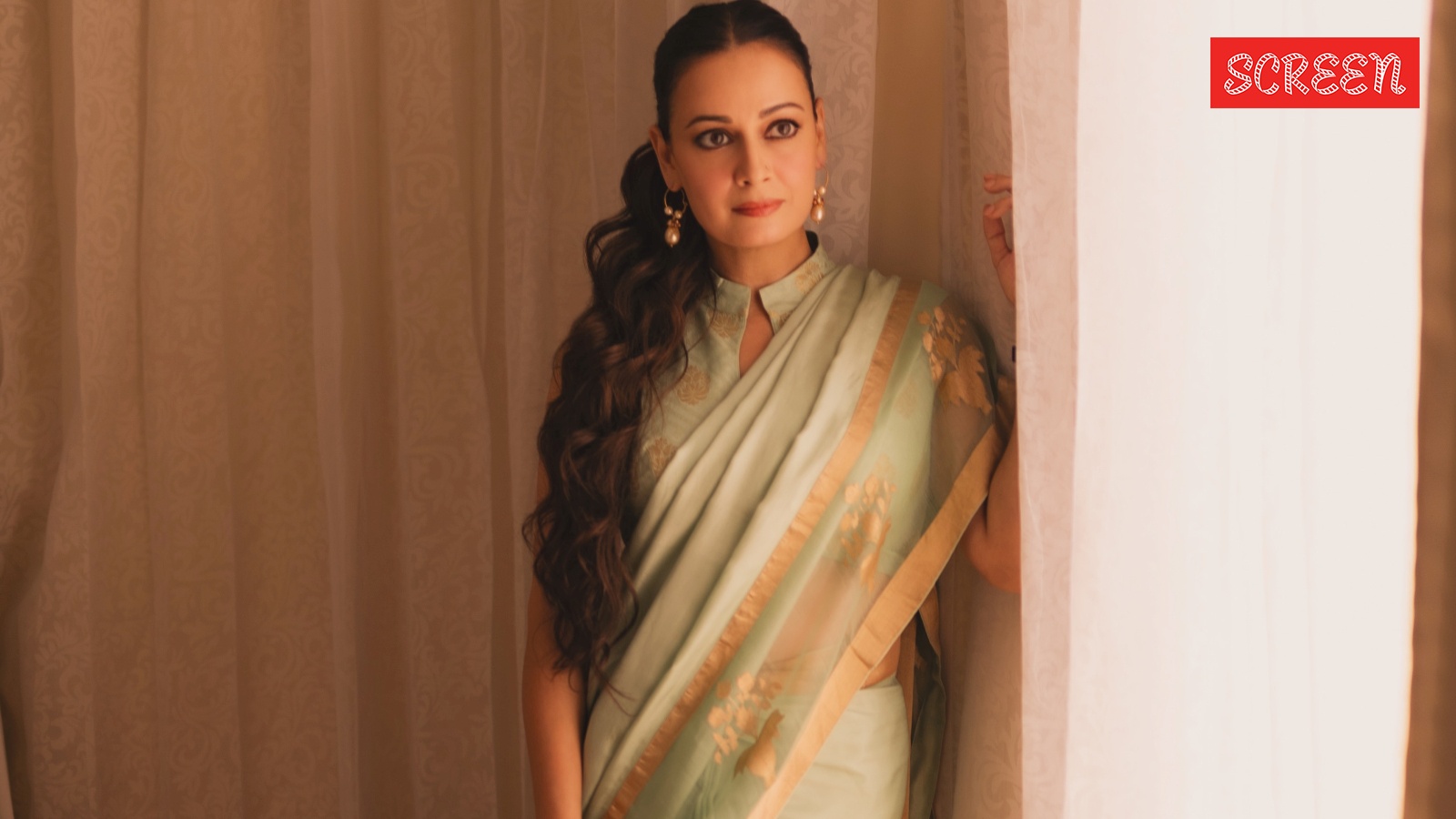
Actress and environmentalist Dia Mirza has addressed the intense backlash following her comments linking patriarchal systems to climate change, clarifying that her critique was aimed at exploitative structures, not men.
- Dia Mirza denies being a 'man-hater' despite social media backlash.
- She clarifies her comments targeted patriarchal systems and exploitative mindsets.
- The controversy stems from her appearance on Soha Ali Khan's podcast.
Acclaimed actress and dedicated environmental advocate Dia Mirza has broken her silence regarding the massive backlash she faced after linking the rise of patriarchy to the ongoing climate crisis. Responding to allegations that she is a 'man-hater,' Mirza emphasized that her critique was directed at systemic power structures and an exploitative mindset, rather than being an attack on men as a gender.
The controversy ignited following her appearance on Soha Ali Khan’s podcast, 'All About Her,' where she stated that patriarchal systems have driven the climate chaos. Her remarks, which suggested that the current approach to resource management is deeply rooted in patriarchal dominance, quickly went viral, sparking a heated debate across social media platforms and dividing public opinion.
Why This Matters
BozokMedia analysis shows that this controversy highlights the increasing intersectionality between social justice movements and environmental activism. As the world grapples with climate change, the discourse is shifting from purely scientific explanations to examining the socio-political structures—such as patriarchy and capitalism—that drive environmental degradation.
"When discussing patriarchy in climate terms, one is critiquing a mindset of consumption and destruction, not expressing hatred toward individuals."
Addressing the 'man-hater' narrative, Mirza noted that critics often weaponize words to discredit individuals whose views challenge the status quo. "Some people always use what you say to discredit you because it doesn’t serve their narrative," she remarked, pointing toward the industries and governments that continue to deepen the environmental crisis through unchecked exploitation.
Mirza further elaborated on her definition of patriarchy, describing it as a mindset that lacks empathy and fails to value equality or the sustainable use of resources. She contrasted this with matriarchal mindsets, which she believes are inherently more nurturing and focused on preservation. She also questioned the lack of accountability among the powerful corporations that are primary drivers of environmental destruction.
Historical Background
Dia Mirza has a long-standing history of environmental activism, notably serving as a supporter of the United Nations Environment Programme (UNEP). Her advocacy has consistently focused on sustainability, pollution control, and global climate action, making her one of the most prominent voices in the Indian film industry regarding ecological preservation.
Frequently Asked Questions
1. What exactly did Dia Mirza say that caused the controversy?
She stated that patriarchal systems are responsible for the climate crisis, which critics interpreted as blaming all men.
2. How did Dia Mirza respond to the online trolling?
She expressed distress over the vile and repetitive language used by trolls and influencers, stating she will remain dignified despite the disrespect.