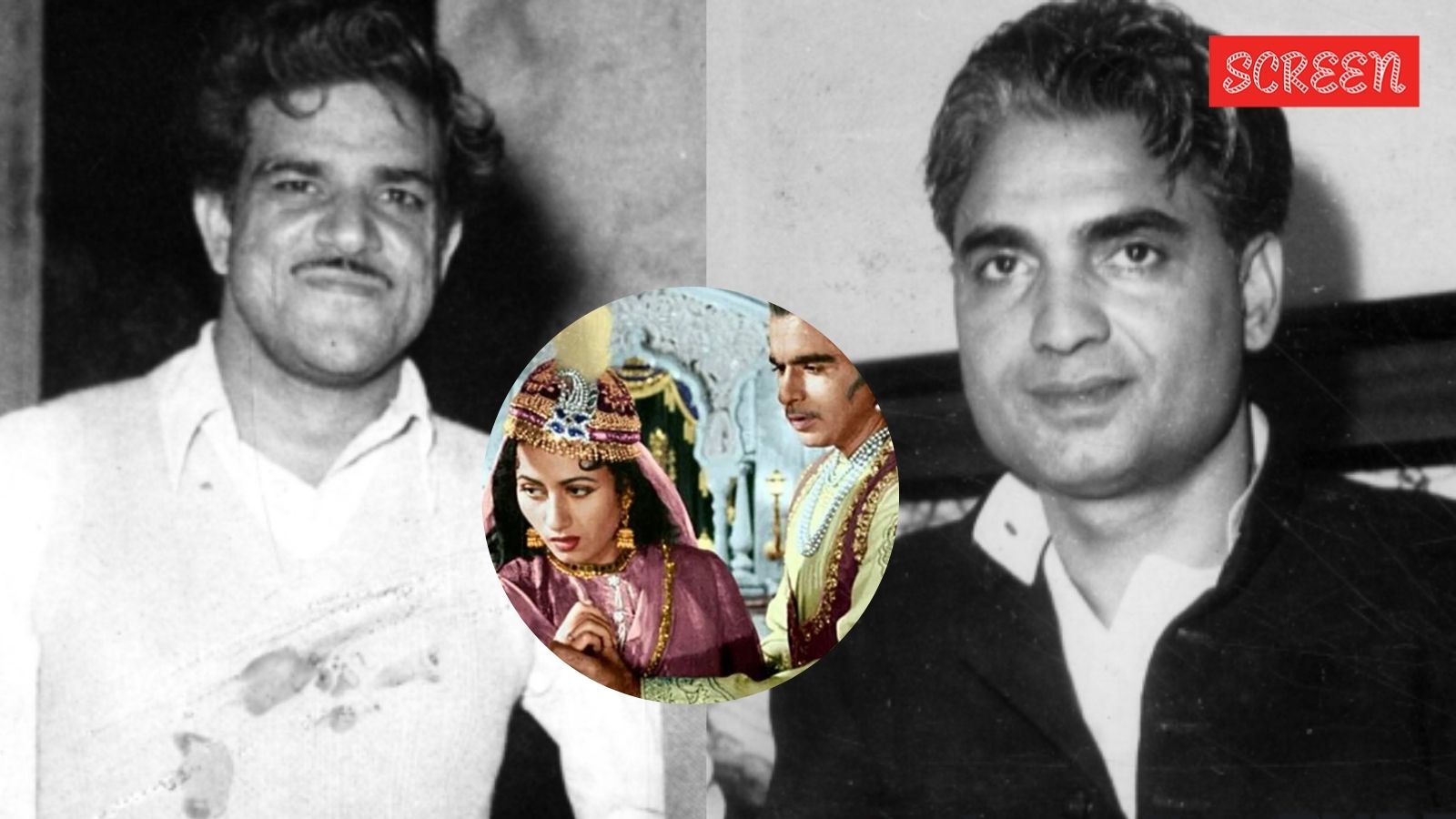
Tajdar Amrohi reveals the intense fallout between his father Kamal Amrohi and director K Asif over writing credits and unprecedented fees for the masterpiece Mughal-E-Azam.
- Kamal Amrohi charged Rs 10,000 per scene for Mughal-E-Azam.
- A major fallout occurred between Amrohi and director K Asif over writing credits.
- Amrohi earned approximately Rs 2 lakh for the film, a massive sum at the time.
- He played a pivotal role in elevating the status of screenwriters in India.
The cinematic masterpiece Mughal-E-Azam is often celebrated for its grandeur and timeless dialogues. However, new revelations from Tajdar Amrohi, son of the legendary writer Kamal Amrohi, shed light on the professional friction and financial milestones behind the scenes. According to Tajdar, his father was the primary architect of the film's iconic dialogue, despite the credits being shared.
In a revealing account, Tajdar stated that Kamal Amrohi commanded a fee of Rs 10,000 per scene. To put this in perspective, during that era, most writers—often referred to as 'Munshis'—earned between a mere Rs 200 and Rs 4,000. Amrohi's demand was not just about the money, but about establishing the professional stature of screenwriters in the Hindi film industry.
The Conflict Over Writing Credits
The core of the tension lay in the recognition of authorship. While Kamal Amrohi wrote the dialogues for masterpieces like Pakeezah and Mughal-E-Azam, director K Asif opted to distribute the writing credits among others, including Vajahat Mirza and Amanullah Khan. Tajdar claims that Asif was hesitant to give Amrohi sole credit to prevent the public from perceiving him as the sole creator of the entire film.
"My father's way of writing was extremely unique, and even the legendary Prithviraj Kapoor was a massive admirer of his work."
BozokMedia analysis shows that this dispute highlights the historical struggle for intellectual property rights in early Indian cinema. The fallout was so severe that Amrohi initially walked away from the project, only returning after a dramatic reconciliation mediated by Amanullah Khan, where Asif eventually conceded to Amrohi's high financial demands.
Historical Context: From 'Munshis' to Screenwriters
Before the era of professional screenwriting, those who penned stories and dialogues were relegated to the status of 'Munshis'—clerical figures often depicted with pencils tucked behind their ears. Kamal Amrohi revolutionized this hierarchy. By demanding significant fees and insisting on his creative identity, he transformed the role of a writer from a background technician to a vital creative force.
Frequently Asked Questions
1. How much did Kamal Amrohi earn for Mughal-E-Azam?
He earned approximately Rs 2 lakh for the film, charging Rs 10,000 per scene.
2. Why did Kamal Amrohi fall out with K Asif?
The fallout was primarily due to the distribution of writing credits, as Asif included other names in the film's credits despite Amrohi's primary contribution.