A deep dive into Joseph Bara and Anjana Singh's new anthology, which challenges the systemic exclusion and mischaracterization of Adivasi communities in Indian historiography.
- Adivasi history has long been viewed through the lenses of appropriation, exclusion, and exoticization.
- The anthology 'Threads of Indigeneity in Central India' challenges the label of 'backward Hindus.'
- The book examines the dual role of missionaries and the marginalization of leaders like Birsa Munda.
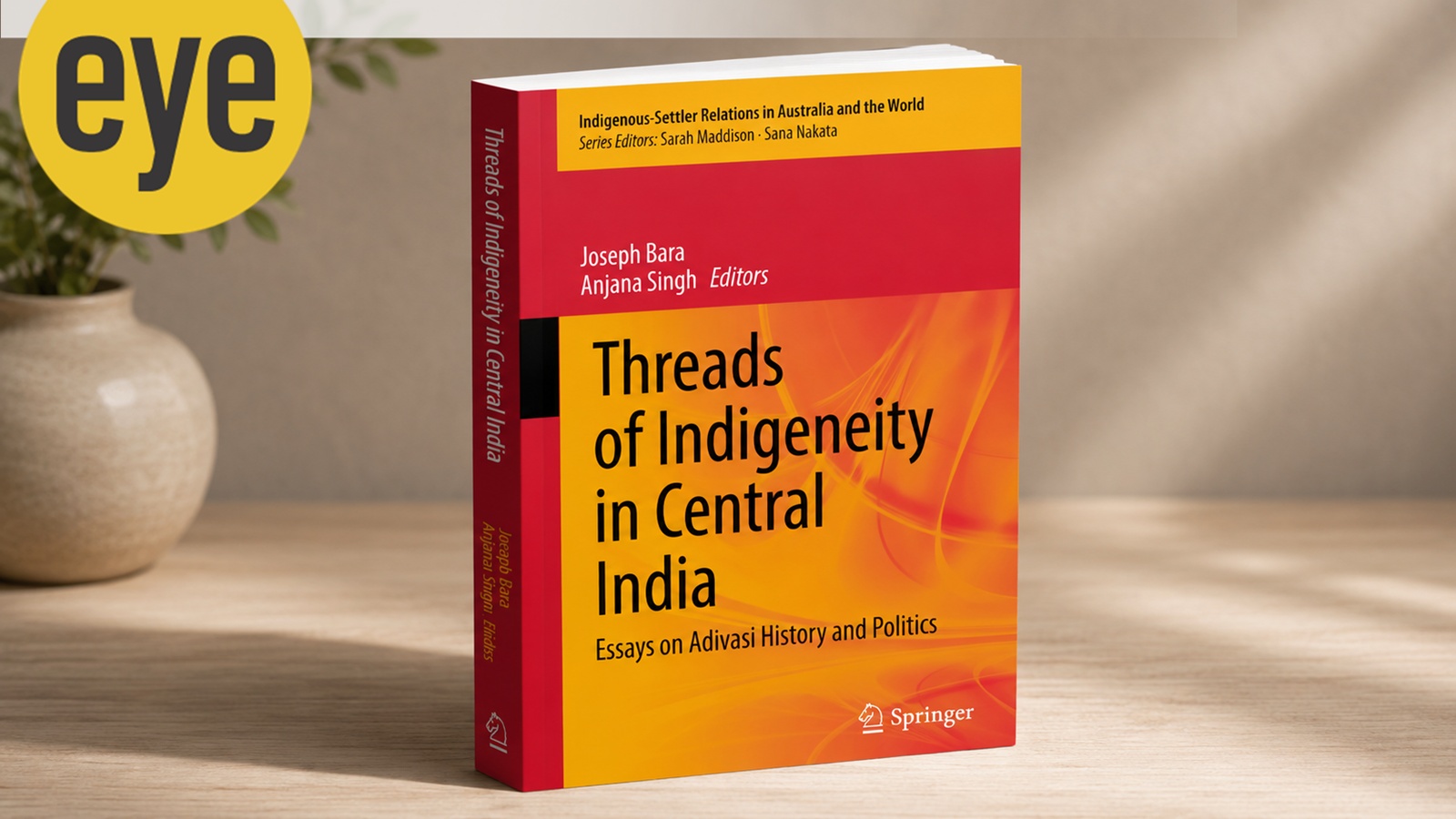
For decades, the study of Adivasi communities in India has been confined within narrow registers of appropriation, exclusion, and exoticization. From the colonial era to the present, the political discourse often uses terms like 'Vanvasi' (forest dwellers) to deny the fundamental 'adi' (original/first) status of these nations. The new anthology by Joseph Bara and Anjana Singh, titled 'Threads of Indigeneity in Central India', serves as a vital intervention in this ongoing struggle for identity.
The book is structured into four critical sections: Land and forest rights, the struggle for survival, identity, and the rich tapestry of Adivasi art, religion, and language. It acts as a bridge between the facts of the past and the interpretations of the present.
Why This Matters
BozokMedia analysis shows that the way history is written directly impacts contemporary political rights. By framing Adivasis as 'backward Hindus'—a term popularized by sociologist G.S. Ghurye—the state effectively justifies policies of assimilation that strip these communities of their distinct indigenous status.
Adivasis have long been self-aware communities actively resisting assimilation into the mainstream.
The anthology provides a nuanced take on the role of Christian missionaries. While missionary work is often viewed through a colonial lens, Mary Girard's research highlights how missionaries inadvertently became custodians of Adivasi languages by documenting oral traditions, creating grammars, and translating scriptures that helped preserve linguistic heritage.
Furthermore, the book interrogates the historical erasure of Birsa Munda. Despite his revolutionary impact, he has often been sidelined in the grand nationalist narrative of India's independence, revealing how historical memory is often curated to favor elite actors over radical liberators.
Historical Background
The debate over indigenous status in India is deeply tied to international standards. Scholar Virginius Xaxa notes that India's refusal to sign the UN Declaration on the Rights of Indigenous Peoples is rooted in the logic that Adivasis are part of the broader Hindu pantheon, thereby denying them the specific protections afforded to indigenous peoples globally.
| Perspective | Mainstream Narrative | Anthology's Argument |
|---|---|---|
| Identity Label | Vanvasi / Backward Hindu | Self-aware Indigenous Nation |
| Historical Role | Passive subjects of history | Active agents of resistance |
| Cultural Status | Assimilated elements | Distinct and resisting cultures |
Frequently Asked Questions
1. What is the main criticism of the anthology?
While significant, the book is criticized for its heavy focus on Eastern India (Jharkhand, Odisha, Chhattisgarh), potentially overlooking the diverse experiences of Adivasis in Southern and Northeastern India.
2. Why is the term 'Vanvasi' controversial?
Critics argue that 'Vanvasi' implies mere dwellers of the forest, whereas 'Adivasi' asserts their status as the original inhabitants/first people.