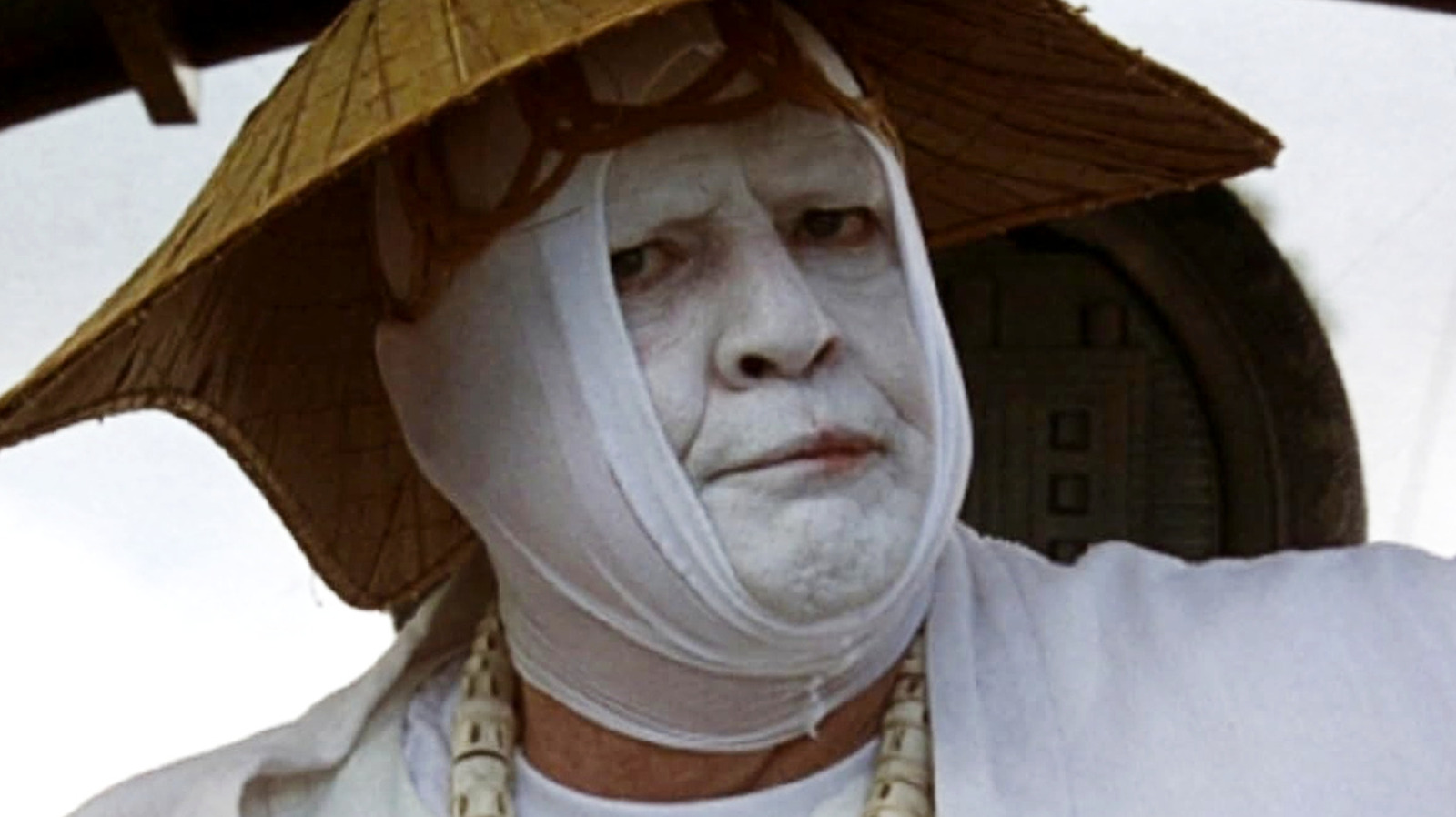
Three decades ago, New Line Cinema released a science fiction gamble that turned into a legendary production nightmare. From director firings to superstar ego clashes, discover why 'The Island of Dr. Moreau' failed so spectacularly.
- 'The Island of Dr. Moreau' was a high-stakes sci-fi adaptation released in 1996.
- Director Richard Stanley was replaced by John Frankenheimer amid studio conflicts.
- Star power clashes between Marlon Brando and Val Kilmer created a hostile set.
- The film grossed $60 million against a massive $40 million budget.
Some movies are simply destined to be cursed. Exactly 30 years ago, the film industry witnessed the release of 'The Island of Dr. Moreau', a project that epitomized production chaos. Based on the classic H.G. Wells novel, the film was intended to be a grand cinematic spectacle but instead became a textbook example of how not to make a movie.
A Production Defined by Conflict
The trouble began long before the cameras rolled. New Line Cinema took a massive risk by hiring Richard Stanley, a director known for his visual style but unproven commercial track record. The relationship between the studio and Stanley soured almost immediately. New Line insisted on casting the legendary but notoriously difficult Marlon Brando, a move that eventually led to Stanley being fired from his own dream project.
Egos, Cigarettes, and Chaos
When veteran director John Frankenheimer took over, he inherited a set that was already a powder keg. The tension between Brando and Val Kilmer was palpable, with the two stars engaging in petty power plays. Reports from the set suggest that Kilmer was frequently off-script and even allegedly burned a cameraman with a cigarette. The environment was so toxic that several actors, including Rob Morrow, fled the production shortly after arriving.
When creative vision clashes with uncontrolled superstar egos, the cinematic result is often a beautiful corpse.
Why This Matters: BozokMedia Analysis
BozokMedia analysis shows that the failure of 'The Island of Dr. Moreau' wasn't just about a bad script; it was a failure of studio management. By prioritizing volatile stars over directorial stability and failing to manage the escalating tensions between talent, New Line Cinema turned a prestigious IP into a financial and critical muddle. While it earned $60 million, the $40 million budget made its profit margins razor-thin considering the massive marketing required to cover the controversy.
Historical Context: The Legacy of Moreau
This was not the first attempt to bring Wells' vision to the screen. The 1930 classic 'Island of Lost Souls' remains the gold standard for this story, despite the author's personal distaste for it. The 1996 version, however, remains a fascinating autopsy of a failed production.
Frequently Asked Questions
1. Who directed the 1996 version of The Island of Dr. Moreau?
While Richard Stanley was the original director, John Frankenheimer ultimately completed the film.
2. Was the film a financial success?
It was a modest performer, grossing $60 million against a $40 million budget, but it was considered a failure relative to its massive hype and production troubles.
