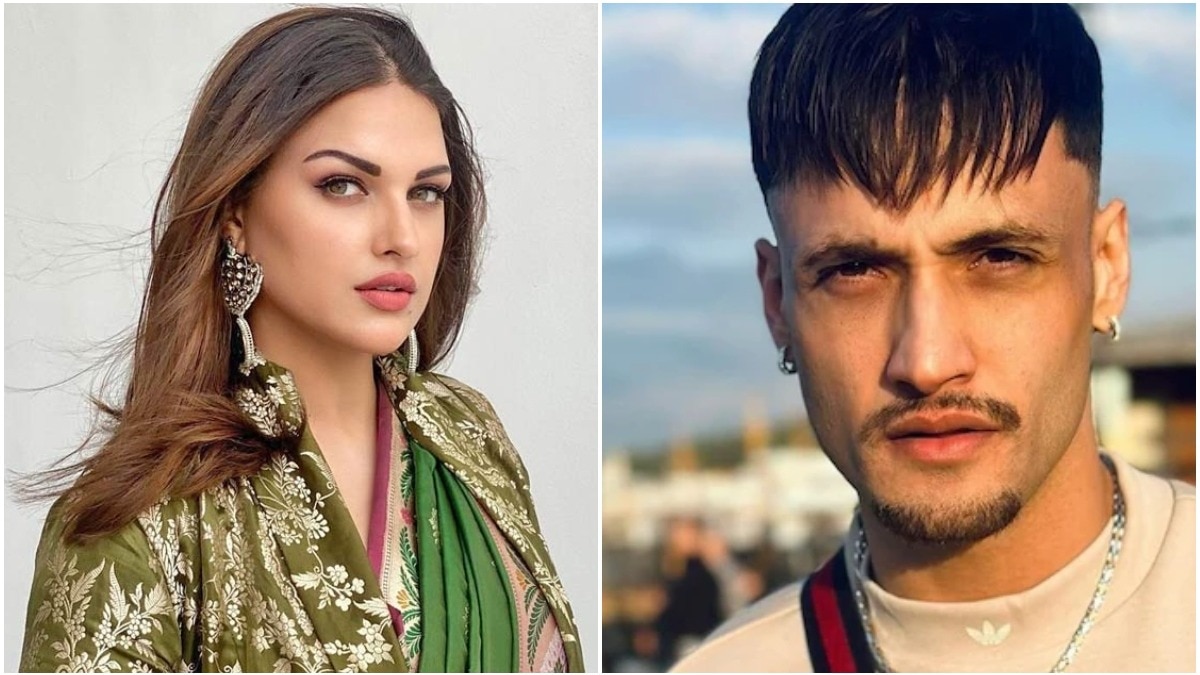
Actress Himanshi Khurana has fired back at co‑star Asim after he made a controversial comment about religious conversion, sparking a heated debate on social media.
- Himanshi publicly rejected Asim's statement
- The comment triggered a nationwide discussion on religious sensitivity in Indian entertainment
- Potential legal and social ramifications for similar future controversies
Himanshi Khurana, known for her strong performances on television and digital platforms, recently delivered a sharp rebuttal to co‑actor Asim's "conversion" remark. In an interview, Asim suggested that some artists feel compelled to change their religion to advance their careers, a notion that offended many viewers.
Himanshi responded via Instagram Stories, stating, "Turning faith into a business is condemnable. I may not follow a particular religion, but I will not tolerate such remarks." Her response quickly went viral, drawing coverage from multiple media outlets.
This incident arrives against a backdrop of rising religious‑cultural sensitivity in India's entertainment industry. Celebrity remarks, however minor, often ignite public reaction, as seen when Shah Rukh Khan's comments on religious conversion in 2022 sparked nationwide debate.
While personal belief clashes among stars are not new, the reach of social media has amplified these disputes to a national level. Himanshi's stance has generated a split response—many fans rallied behind her, while others labeled her reaction as "overblown."
Legal experts note that if such statements disturb public order, they could be actionable under the Indian Penal Code. Yet, freedom of expression remains a constitutional right, adding complexity to the issue.
Looking ahead, several production houses have proposed sensitivity training for artists to preempt similar controversies. This move could foster more responsible dialogue within the industry.
Why This Matters
BozokMedia analysis shows that the dispute reflects a deeper clash of religion, art, and power dynamics in Indian public discourse, not merely a personal spat. Such debates may force content producers to rethink their policies.
"Treating religious remarks as a career strategy is not only ethically wrong but also threatens the social fabric of India," says Dr. Ajay Mehra, professor of social sciences.
Frequently Asked Questions
Question 1: Did Asim apologize after his conversion comment?
Answer: Asim later said in a private message that he did not intend any offense, but he has not issued a public apology.
Question 2: What legal actions could arise from this controversy?
Answer: If the comment is deemed hate speech, a criminal case could be filed, though no formal complaint has been lodged yet.